The Maximalist Monster Movie
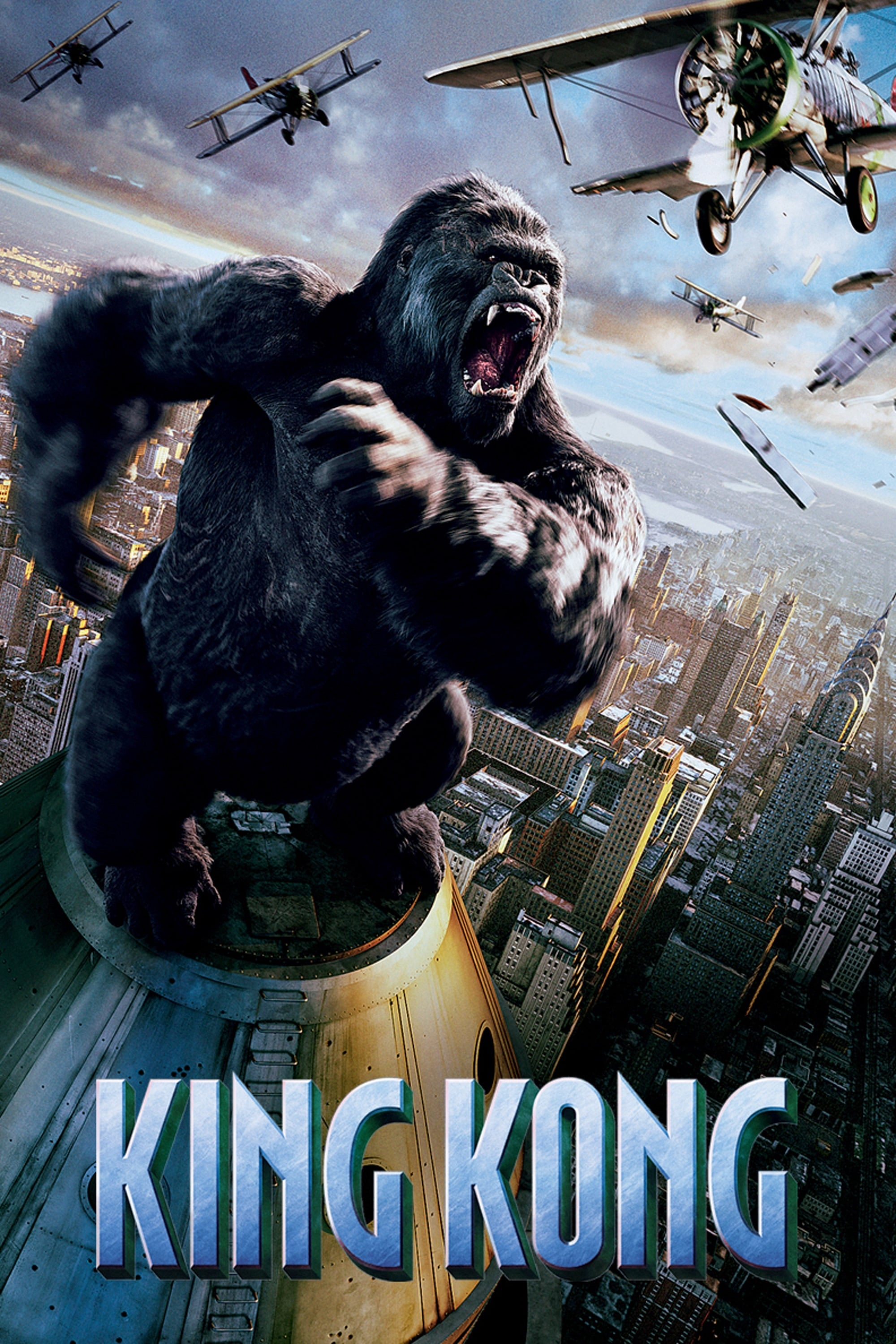
By 2005, Peter Jackson was the king of the world, and he used that capital to remake the movie that made him want to be a filmmaker. The result is a film that is almost too much of everything. It’s too long, too loud, and too violent—and yet, it’s also incredibly moving.
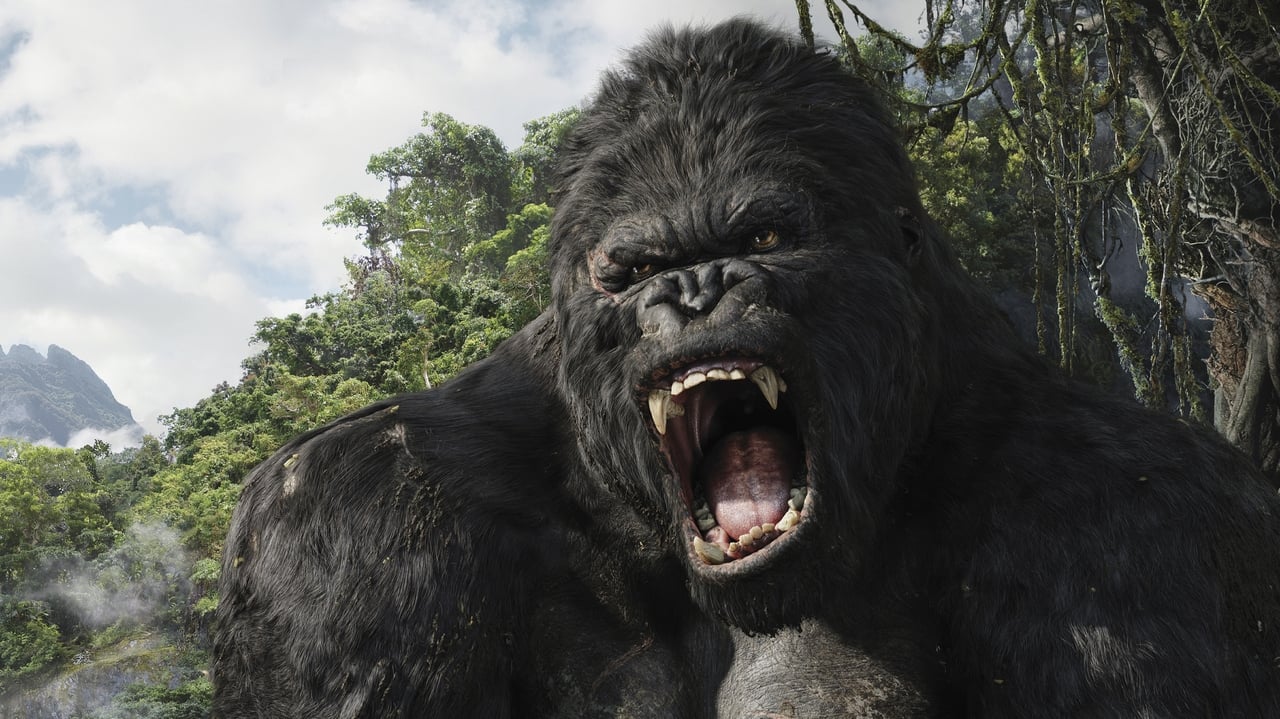
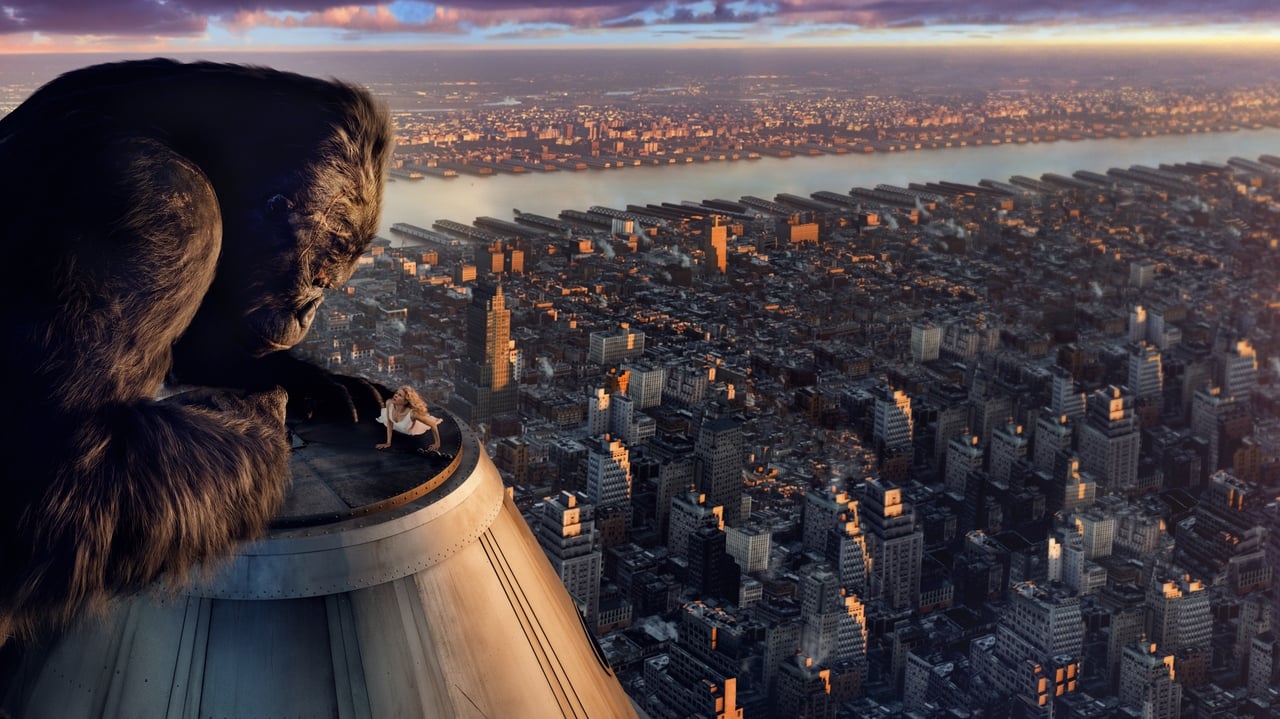
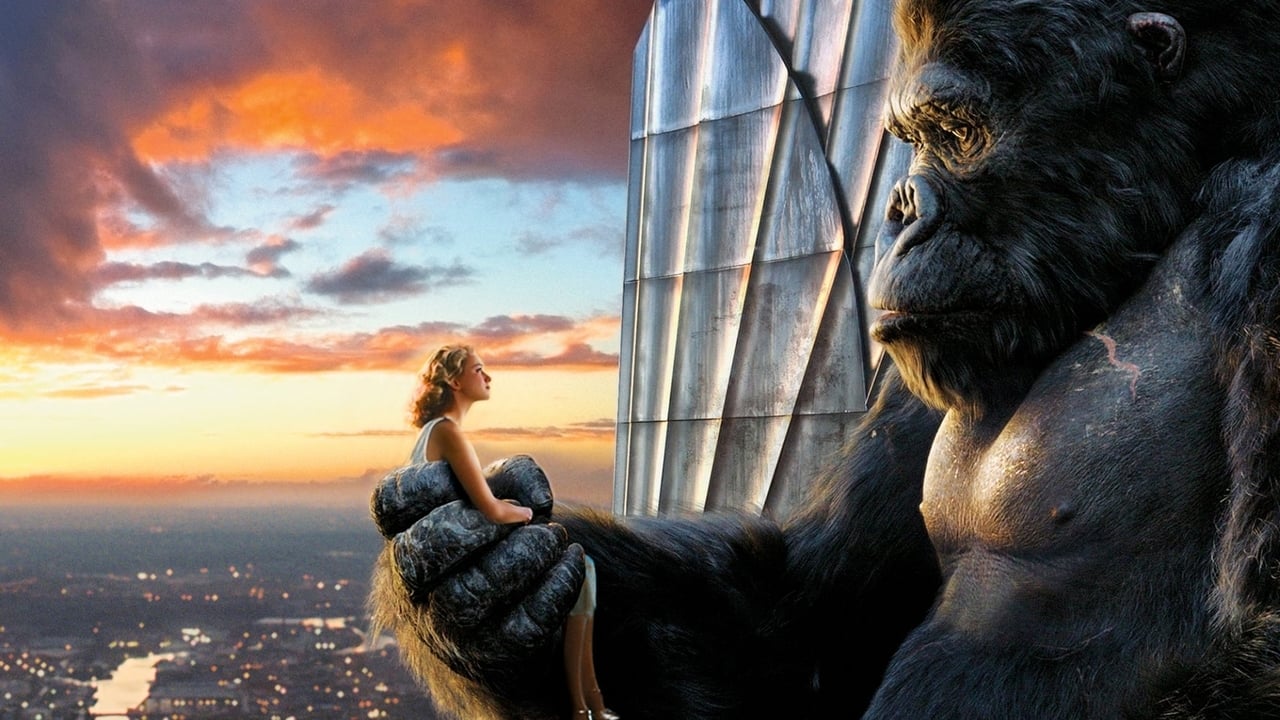
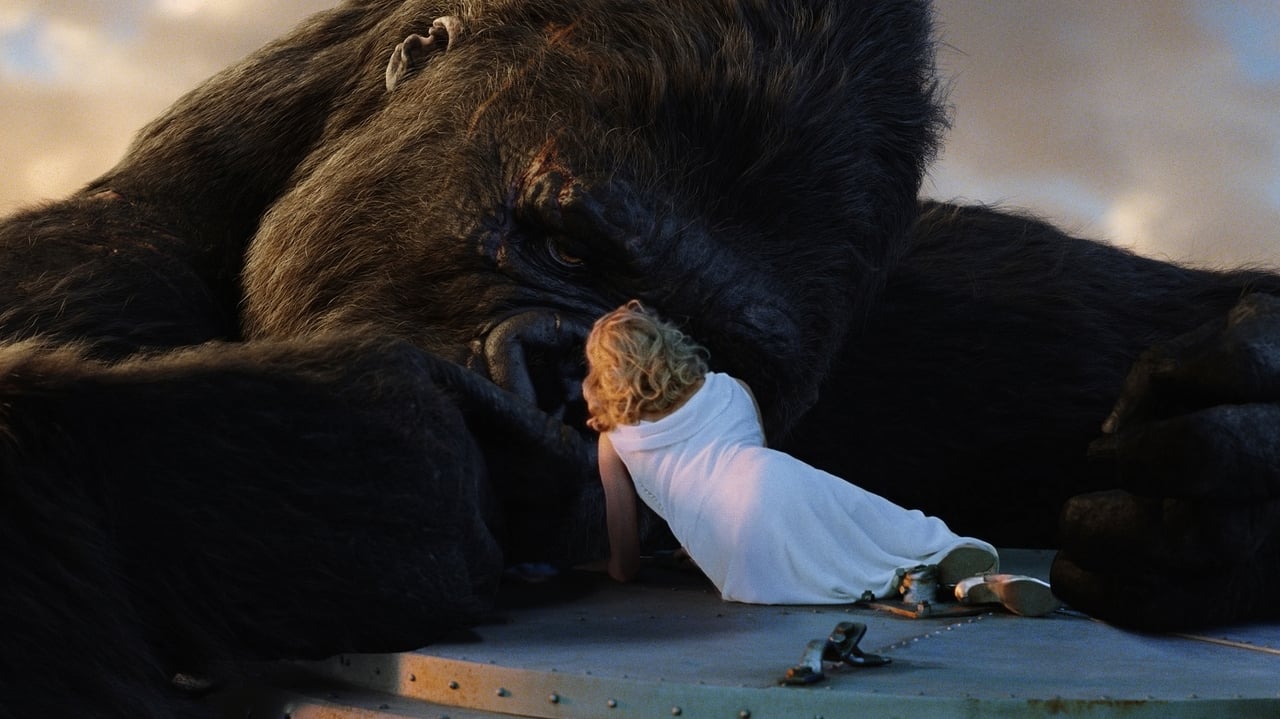
What sets this version apart from the 1933 original or the more recent Kong: Skull Island is the focus on Kong as a character. Through Andy Serkis's motion capture, Kong isn't just a monster; he's an aging, lonely silverback who has spent his whole life fighting for survival. When he finally meets Ann, it’s not just a 'crush'—it’s the first thing he’s ever had that wasn't trying to kill him.
The Skull Island Factor
Jackson spends a huge amount of time on the island's ecology. This isn't just a jungle; it's a hellscape. The sequence where the crew falls into a ravine filled with giant insects is one of the most effective pieces of horror in a non-horror movie. It’s visceral and unsettling.
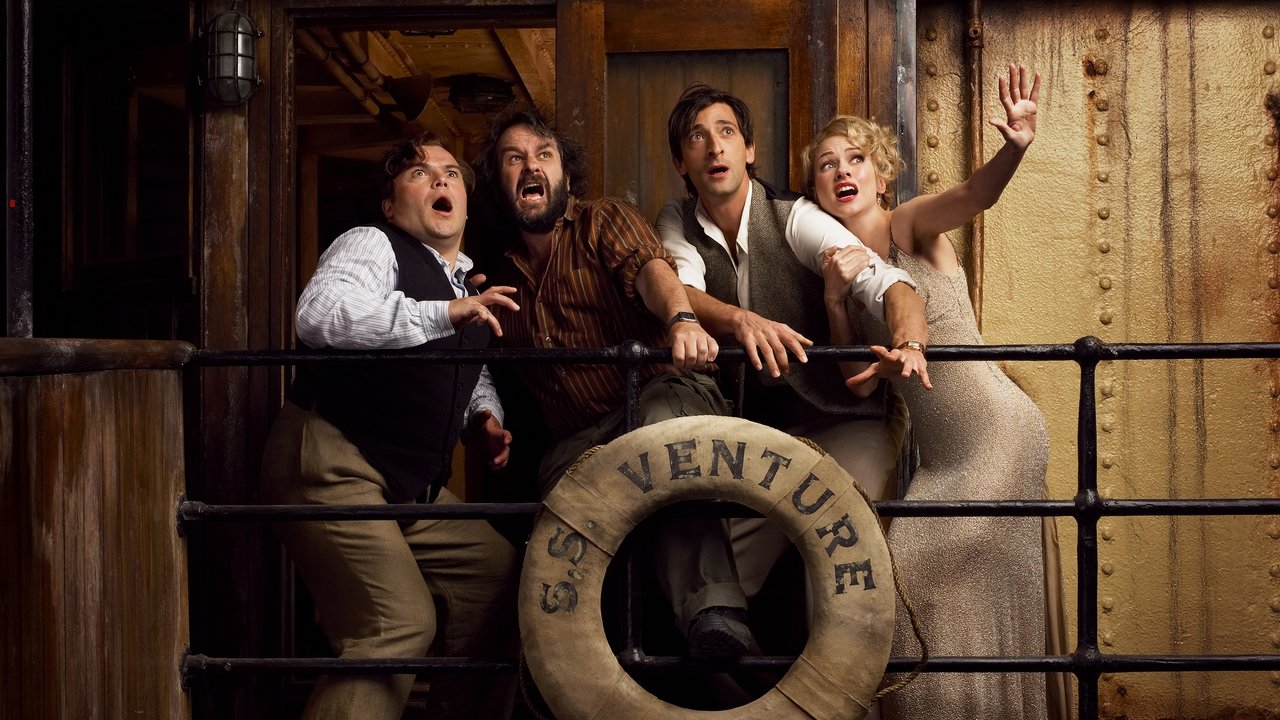
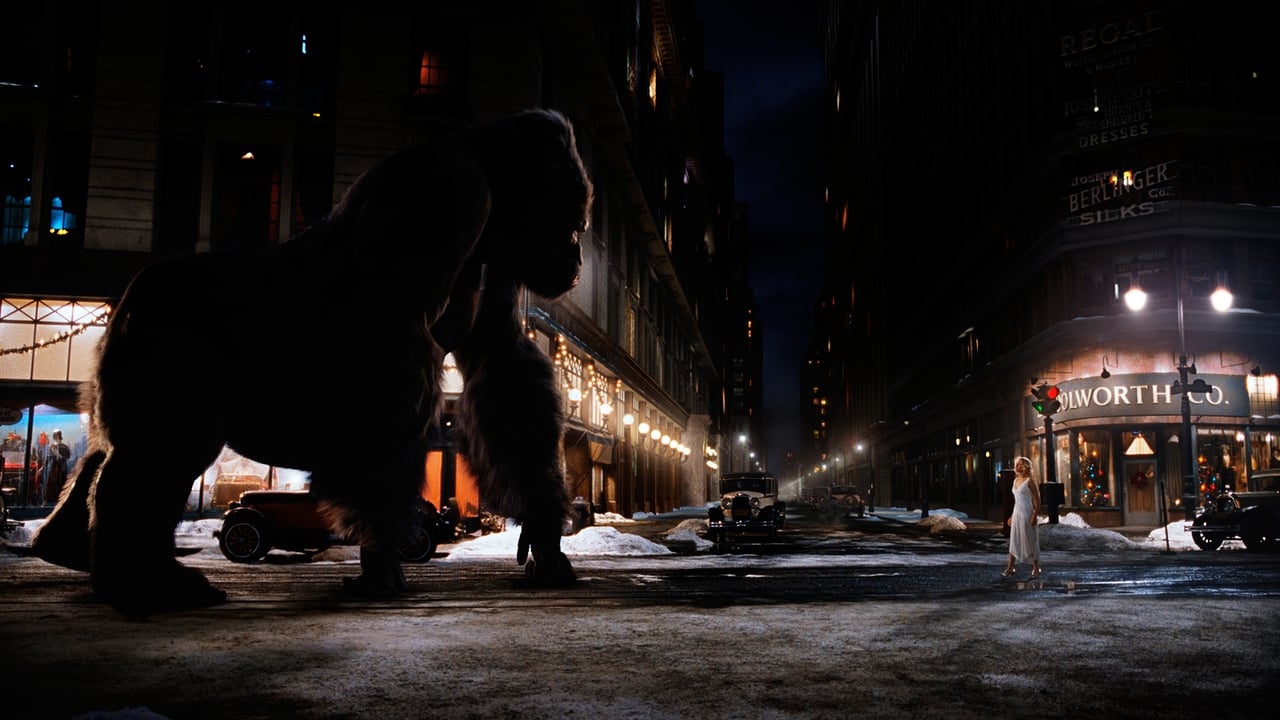
If you're watching this with a kid, be prepared for the 'slow' start. The movie takes its time establishing the 1933 Great Depression setting and the desperation of the characters. It pays off by making the stakes feel real, but for a generation raised on the immediate action of the MonsterVerse, it requires a bit of patience.
Why it Matters in 2026
In an era of CGI slop, the craft here is still breathtaking. The Weta team built miniature versions of New York and used a mix of practical and digital effects that gives the movie a weight many modern blockbusters lack. It’s a reminder of what happens when a director is given a massive budget and a personal obsession to fulfill.