The anti-drama of reality TV
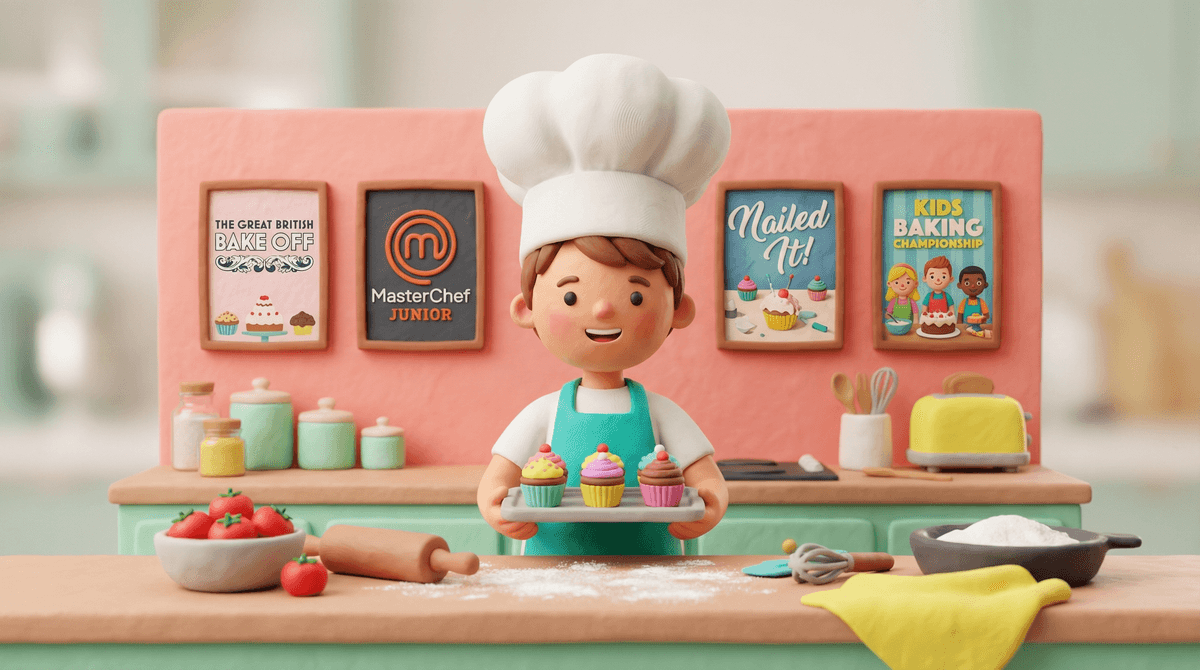
Most reality competitions rely on "villain edits" and manufactured friction to keep you watching. Kids Baking Championship goes the opposite direction. It’s the TV equivalent of a warm chocolate chip cookie. Since 2015, the show has carved out a space where the primary conflict isn't between the contestants, but between a 12-year-old and a bowl of curdled buttercream.
The kids are legitimately talented. We aren't talking about "nailed it" style disasters for laughs; these pre-teens are producing macarons, tiered cakes, and tempered chocolate that would make most adults quit in frustration. Watching a kid handle a collapsed sponge cake with more grace than most corporate executives handle a bad quarterly report is weirdly inspiring. It’s a masterclass in resilience that doesn't feel like a lecture.
How it stacks up
If your family has already cycled through the high-intensity stress of MasterChef Junior, this will feel like a bit of a breather. It’s less about the "culinary journey" and more about the technical execution. If you’re trying to decide where this fits in your rotation, check out our ranking of the 10 best kids cooking shows for your little chef to see how it compares to the more chaotic options out there.
While the show is wholesome, it isn't boring. The "twist" in the middle of each episode usually forces the kids to pivot their flavor profiles or add a decorative element they didn't plan for. It’s a great way to show kids that flexibility is a skill in itself.
The "unfair" factor
The biggest hurdle for younger viewers—and the thing that generates the most chatter on Reddit—is the judging. Because baking is subjective, there are inevitably moments where a kid who took a massive risk gets sent home over a kid who played it safe with a basic sugar cookie.
Parents often find themselves explaining that "fair" is a moving target in the arts. If your kid is particularly sensitive to perceived injustice, use these moments to talk about how the judges are looking for specific technical markers, not just who they like more. It’s also worth noting that while the $10,000 prize is a big deal, the show does a solid job of making the participation feel like the win.
From the screen to the flour-covered counter
The inevitable side effect of a Kids Baking Championship binge is a request to bake something complicated. Don't feel like you need to buy a professional-grade stand mixer or expensive Madagascar vanilla to keep up. The show works best as a catalyst for getting kids to understand that recipes are just a series of small problems to solve.
If they want to try a "main heat" challenge at home, start with something that has a high success rate like puff pastry or basic cupcakes before attempting a croquembouche. The goal is to keep the kitchen a low-stress zone, even if the show makes the high-pressure environment look like a blast.