Our reviews and ratings are 100% unbiased. As an Amazon Associate, Screenwise earns from qualifying purchases, so if you buy a book or game through one of our links, we may earn a commission. We don't get any credit if you just Google it instead :)
Screenwise Verdict
Karuba is one of the best family games HABA ever published. Designer Rüdiger Dorn took the basic mechanical hook of bingo—one person calls out a number and everyone locates that piece—and turned it into a brisk, tactical jungle sprint.
Each player gets four explorers on the beach and four matching colored temples along the top and side of their personal grid. When tile 36 gets pulled, you can lay it down to form pathways or sacrifice it to walk an explorer forward. That single rule generates constant, bite-sized decisions without melting anyone's brain.
Because all players build simultaneously, a full four-player game wraps up in thirty minutes with zero thumb-twiddling. It belongs in the regular rotation for any family table that wants real strategy without rules overhead.
Age Fit
A sharp six- or seven-year-old can easily understand the placement rules, while the spatial efficiency keeps ten-year-olds and adults engaged all the way to 99.
WISE Breakdown
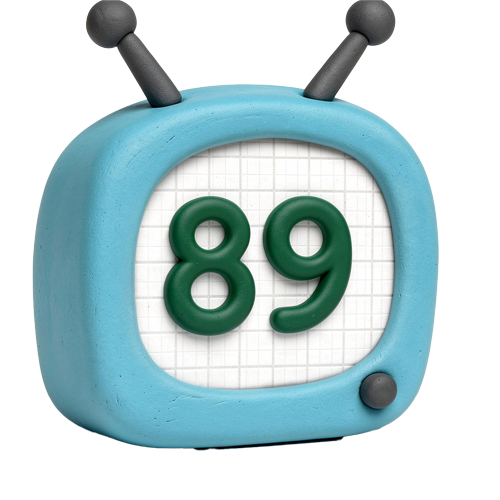
Wholesome
92
Clean, lighthearted jungle expedition theme with zero mean-spirited moves. Everyone works with the same tiles on their own board, so nobody gets their route sabotaged by another player.
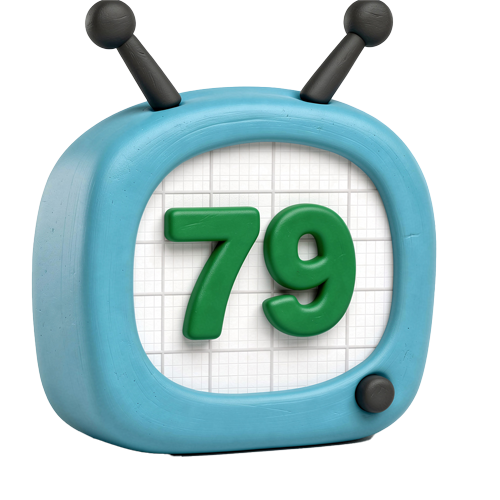
Imaginative
80
The jungle path puzzle turns a flat grid into a race through ruins. The explorer-and-temple theme is standard adventure fare, but laying out paths to claim gold and crystals sparks genuine excitement.
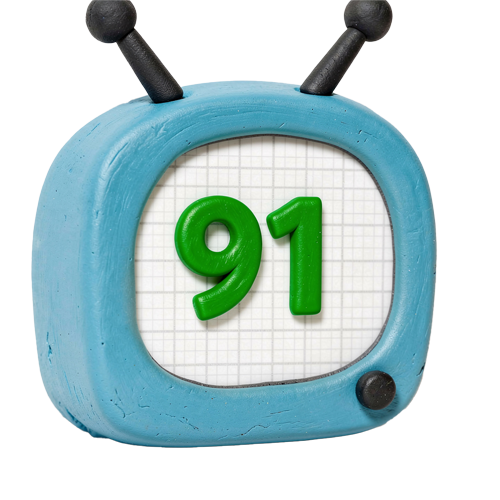
Safe
98
Zero digital hazards, no aggressive direct confrontation, and completely friendly art. The only conflict is racing to grab the highest-value temple treasure before someone else reaches theirs.
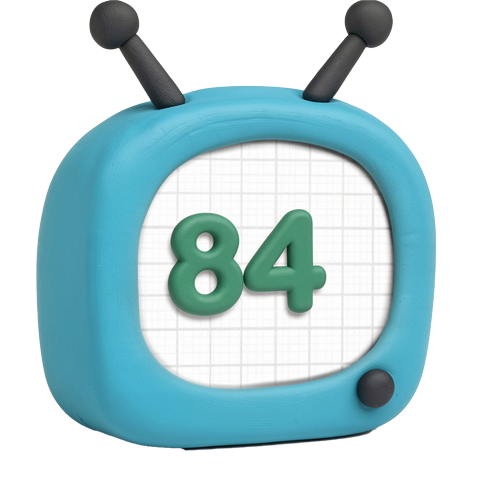
Enriching
88
Brilliant spatial puzzle that teaches route optimization, probabilistic thinking, and opportunity cost. Players constantly weigh using a tile to lay track versus discarding it to move an adventurer forward.
Parent Info
✓
Why It Might Be Great
Zero downtime. One caller flips a numbered tile and every player places that exact piece simultaneously, so kids never sit around waiting for three other turns to finish.
Equal footing. Everyone receives the same sequence of tiles. Winning comes down to spatial planning and path efficiency, which helps kids see cause-and-effect clearly.
Tough trade-offs. Every tile can either expand your path or be tossed in the discard pile to push an explorer forward a few steps.
Gentle competition. You race for temple bonuses, but nobody can destroy your roads or steal your stuff.
⚠
What to Watch For
Accidental dead ends. It is easy for an impulsive player to place tiles too quickly early on and box an adventurer out of ever reaching their matching temple.
Low player interaction. If your kids love trading, bluffing, or blocking each other on a shared board, Karuba can feel a bit like simultaneous solitaire.
Conversation Starters
"Did you focus on getting one explorer to the temple immediately or did you try to build routes for everyone at once?"
"Which hurt more: discarding a tile with paths you wanted, or leaving an explorer stranded at the beach?"
"How did you decide between grabbing crystals off the path and sprinting straight to the big treasure?"
Deep Dive
The Anti-Boredom Board Game
The biggest killer of game night with younger kids is turn length. When an eight-year-old has to watch three adults evaluate fifteen different options on their respective turns, focus disintegrates. By the time the dice return to them, they have checked out.
Karuba bypasses that problem through simultaneous play. One person shuffles their face-down stack and acts as the expedition leader. They flip a tile, read the number aloud, and all other players search their own organized stacks for the matching number. Everyone resolves the placement at the same time.
The Real Puzzle: Push Your Luck vs. Build
The trick is that you cannot move an explorer along a path just because the path exists. Moving an explorer requires burning an unused tile from your hand. Do you lay that three-way intersection onto the grid to connect your blue explorer to the blue temple, or do you chuck it to sprint three spaces and snatch the 5-point treasure before your sibling grabs it?
Spatial awareness: Kids learn to keep corridors open rather than choking their board with crisscrossing dead ends.
Speed versus greed: Crystals and gold nuggets sit directly on certain paths, offering quick victory points if you divert an adventurer to pick them up.
No hurt feelings: Because your board belongs only to you, nobody can cut off your route or knock your pawn backwards.
If you want a game that teaches route-building concepts found in heavier titles like Ticket to Ride without the frustration of someone stealing your train route, Karuba is the cleanest starting point out there.