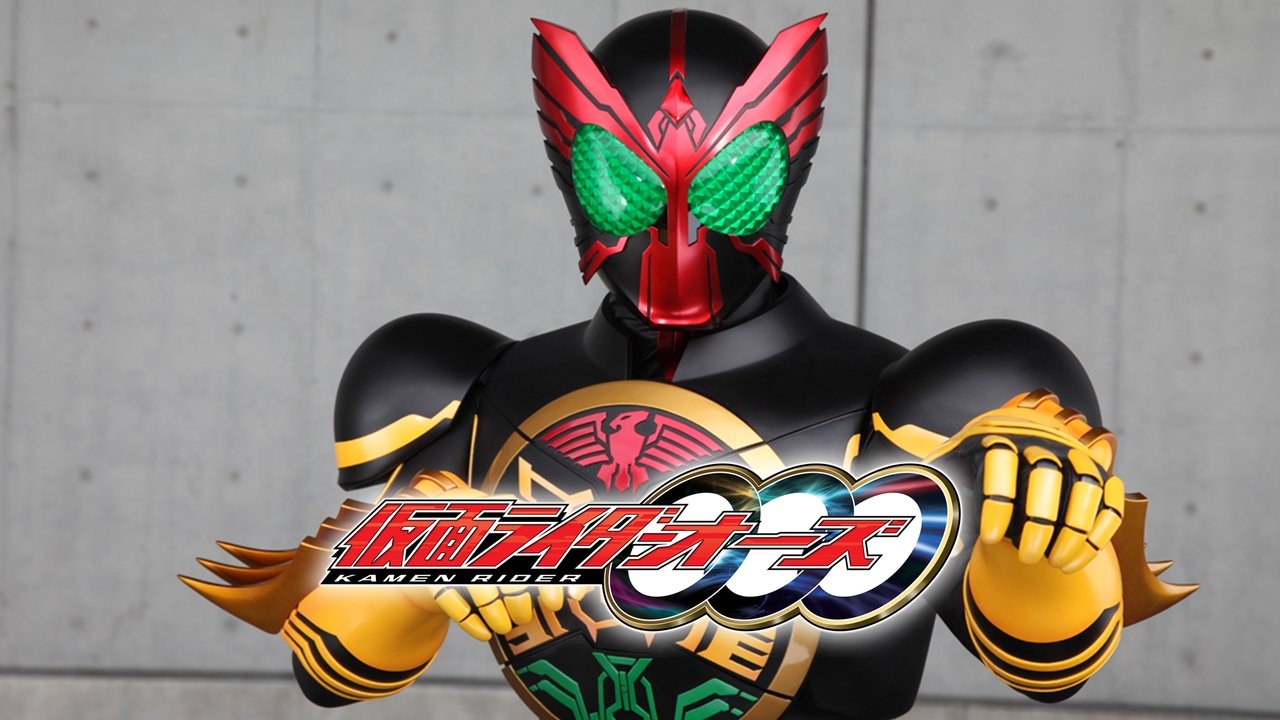
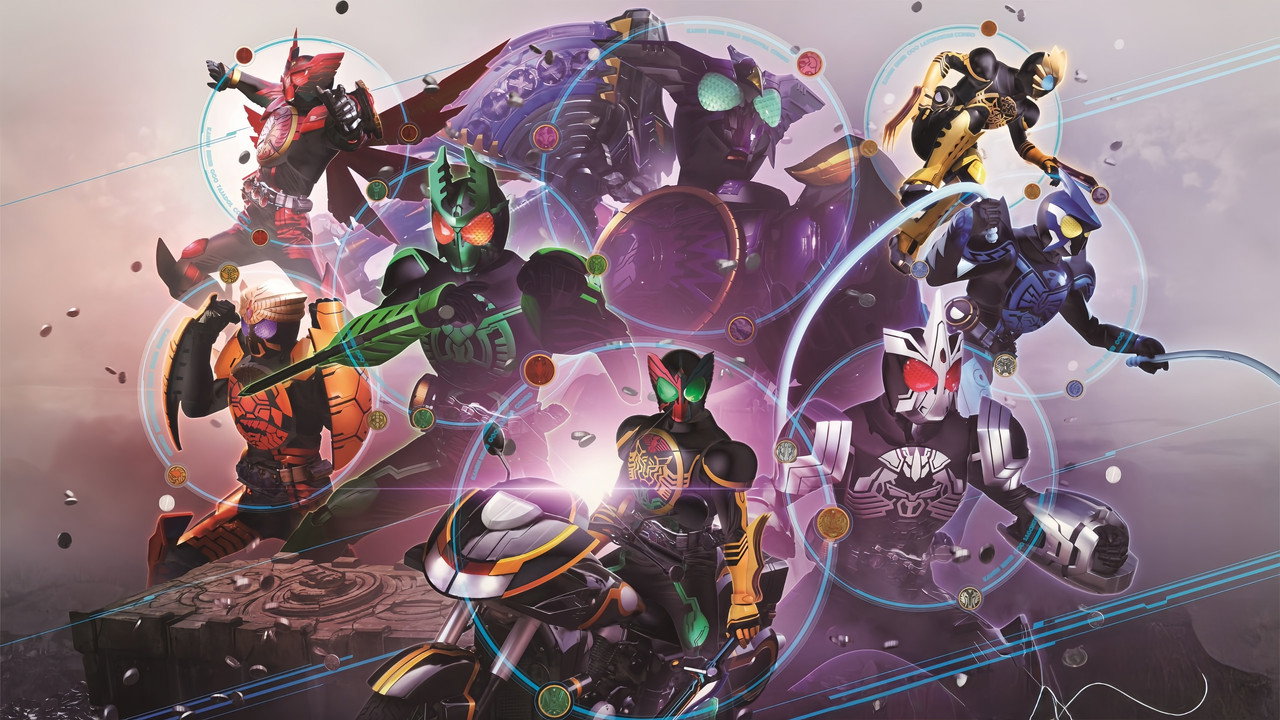
What Kamen Rider actually is (and why OOO is the one people recommend)
For parents who only know Power Rangers, Kamen Rider is its older, slightly moodier sibling from the same Japanese studio, Toei. While Super Sentai (the footage used for Power Rangers) is about five-person color-coded teams and giant combining robots, Kamen Rider focuses on a smaller cast, motorcycle stunts, bug-eyed helmets, and a continuous 48-episode story that isn't spliced together for American television.
Kamen Rider OOO (pronounced "O's") aired in 2010 and sits right in the sweet spot of the franchise's modern era. The gimmick is immediate: the villains are the Greeed, ancient homunculi made of coins who feed on human desires. To fight them, wanderer Eiji Hino uses three animal "Core Medals" at a time—like Taka (Hawk), Tora (Tiger), and Batta (Grasshopper)—to transform his head, torso, and legs. Swapping a medal swaps his powers and costume pieces.
The central dynamic carries the show
What keeps OOO from feeling like a 20-hour Bandai toy commercial is the relationship between Eiji and Ankh. Eiji survived a tragedy overseas that left him completely detached from personal ambition; he travels the world with nothing but a few coins and tomorrow's underwear, helping whoever is directly within his reach. Ankh is a literal floating monster arm who needs Eiji's physical body to fight, while Eiji needs Ankh to dispense the medals.
They don't trust each other, they bicker constantly, and neither is a flat stock character. Over 48 episodes, the show uses them to ask a surprisingly sharp question for kids' TV: if monsters are born from human greed, what happens to a person who refuses to want anything for himself?
Where to actually watch it
Unlike older entries that required hunting down fan-subtitled files on obscure forums, Kamen Rider OOO has an official North American release through Shout! Studios and routinely streams free with ads on Tubi and Pluto TV's Tokushoutsu channel.