The Trojan Horse of Fruit Armor
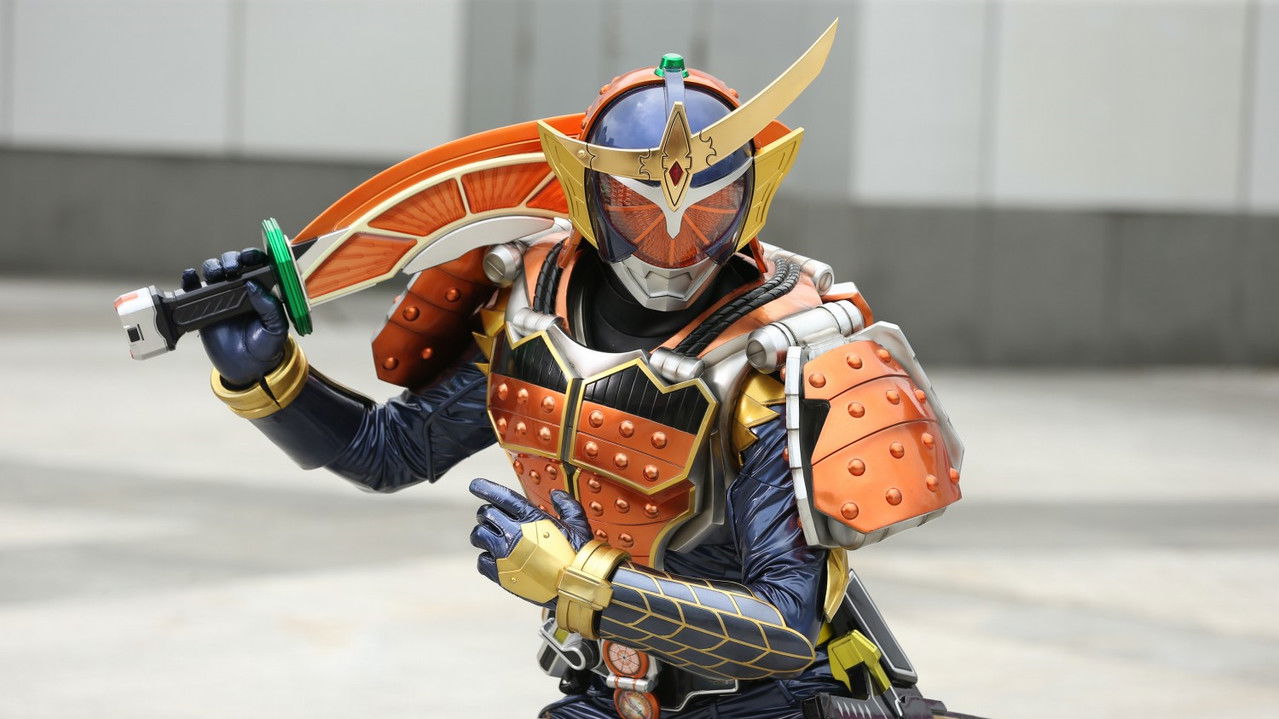
Every season of Kamen Rider resets with a new cast, a new theme, and a new line of belt toys. For the 2013–2014 season, the producers wanted a multi-Rider conflict where half a dozen armored heroes were constantly forming alliances and betraying each other, modeled after Japan's Warring States period. When head writer Gen Urobochi was handed a mandate that combined samurai with fruit and street dancing, he leaned all the way in.
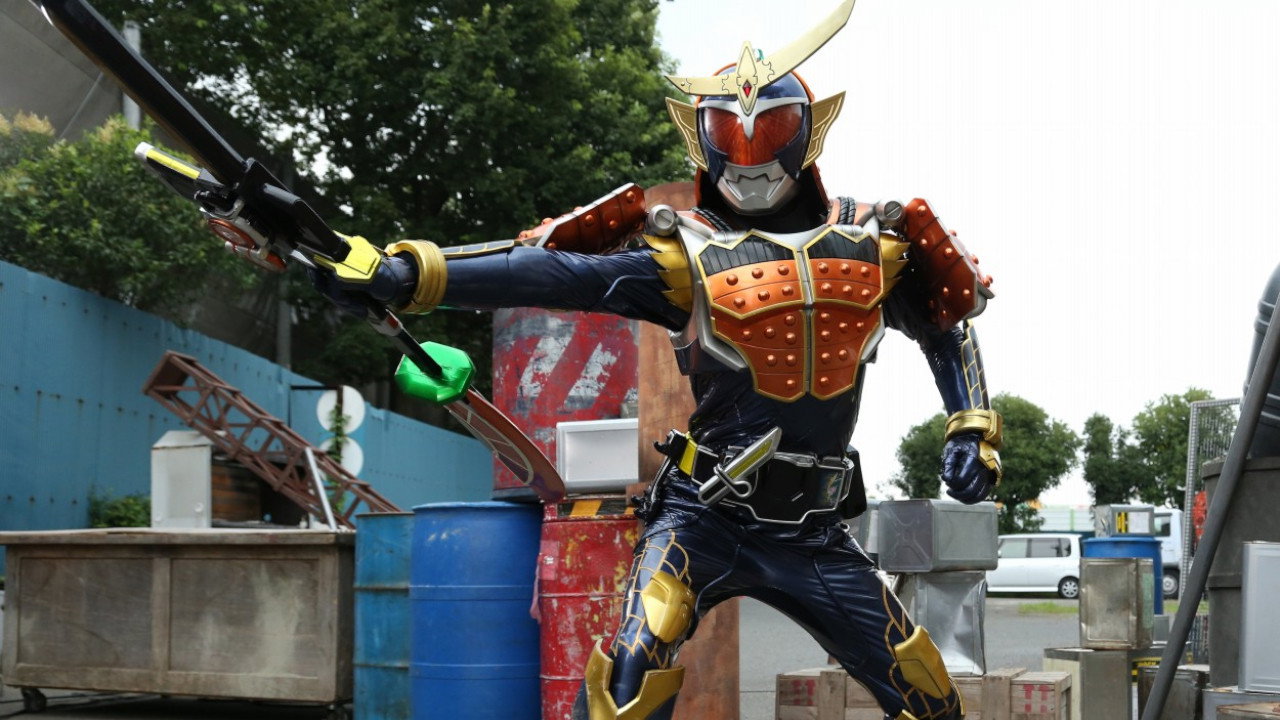
The first dozen episodes let the characters be kids. Kouta Kazuraba drops out of his dance crew, Team Gaim, to work part-time jobs so he can stop being a burden on his older sister. When he stumbles through a zipper-like portal in the woods and picks up a Sengoku Driver belt, his first instinct is to use his newfound Armored Rider powers to win petty turf wars and do odd jobs.
Then the camera pulls back. The city of Zawame is a company town completely controlled by the Yggdrasill Corporation, which has been quietly distributing those transformation belts to teenagers as a live-fire experiment. Meanwhile, the alien Helheim Forest is encroaching on Earth, and its fruit turns anyone who eats it into one of the Inves monsters Kouta has been happily fighting.
How it compares to Power Rangers
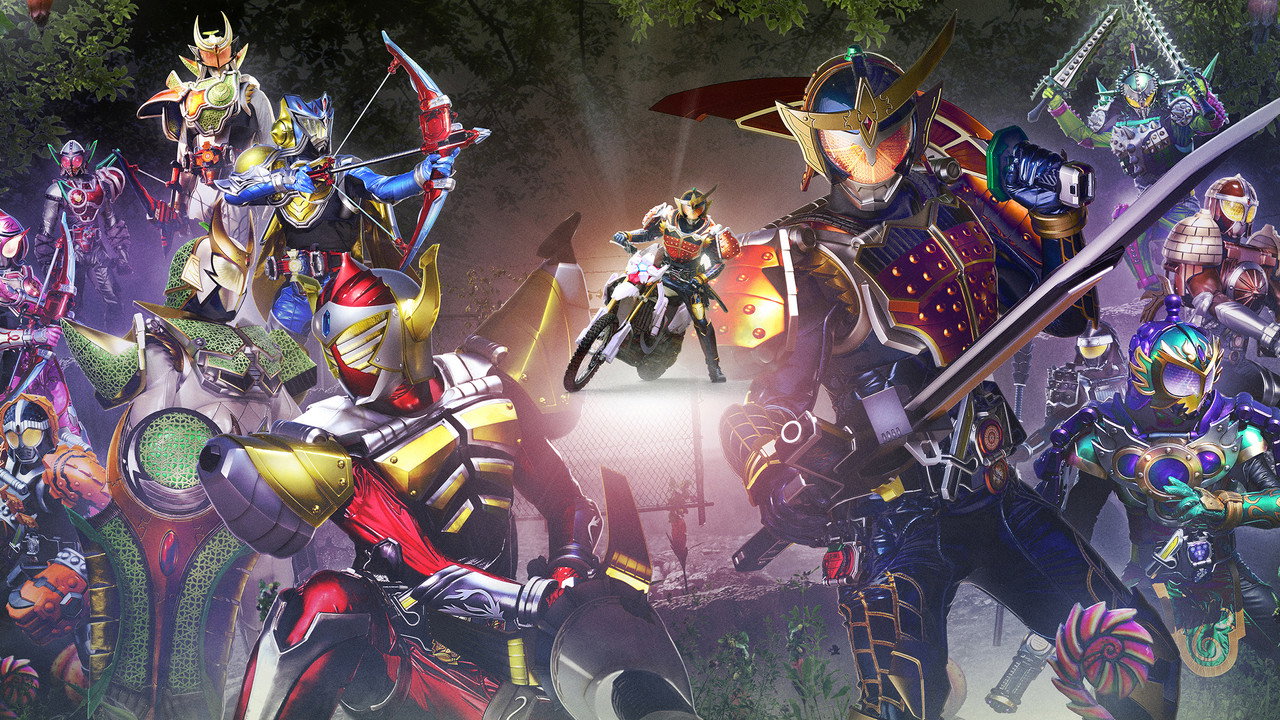
American kids raised on Power Rangers (which adapts footage from Kamen Rider's sister series, Super Sentai) usually expect a monster-of-the-week formula where the status quo resets every twenty minutes. Gaim drops that structure early. Secrets come out, characters die or turn on their friends, and the four main Riders end up representing completely different ethical frameworks: selfless optimism (Kouta), ruthless social Darwinism (Kaito), utilitarian sacrifice (Takatora), and desperate self-preservation (Micchy).
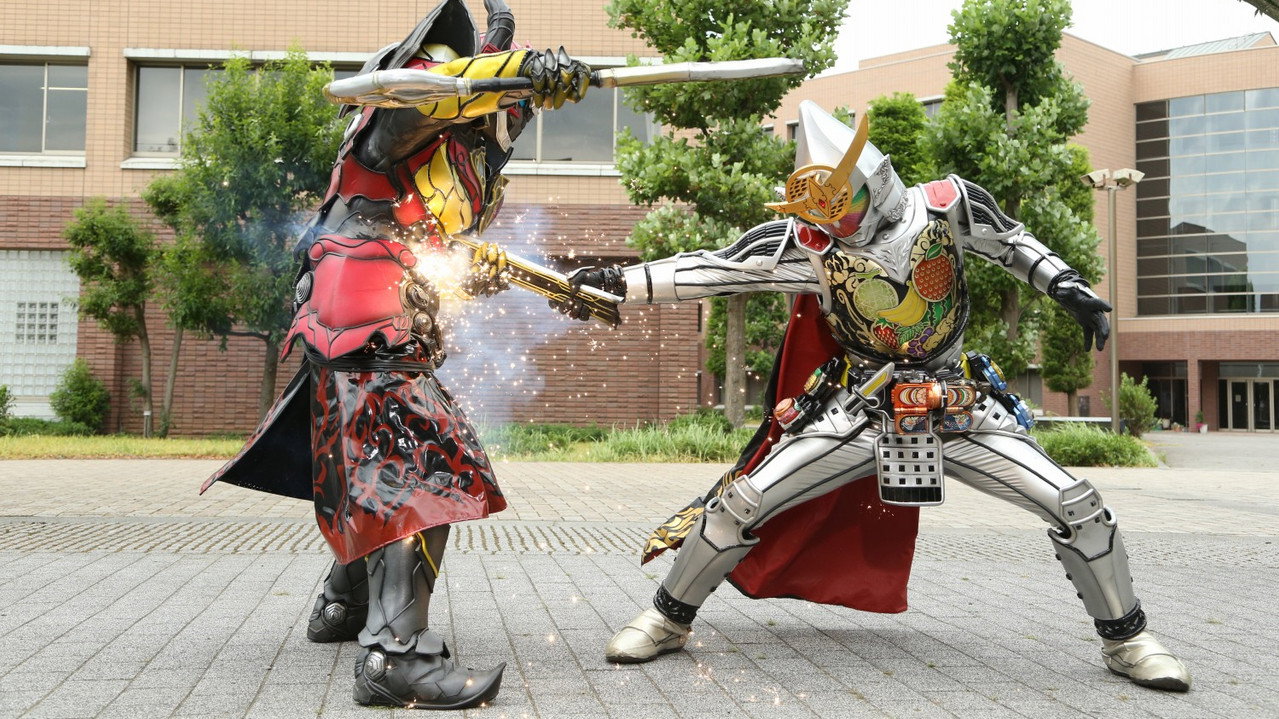
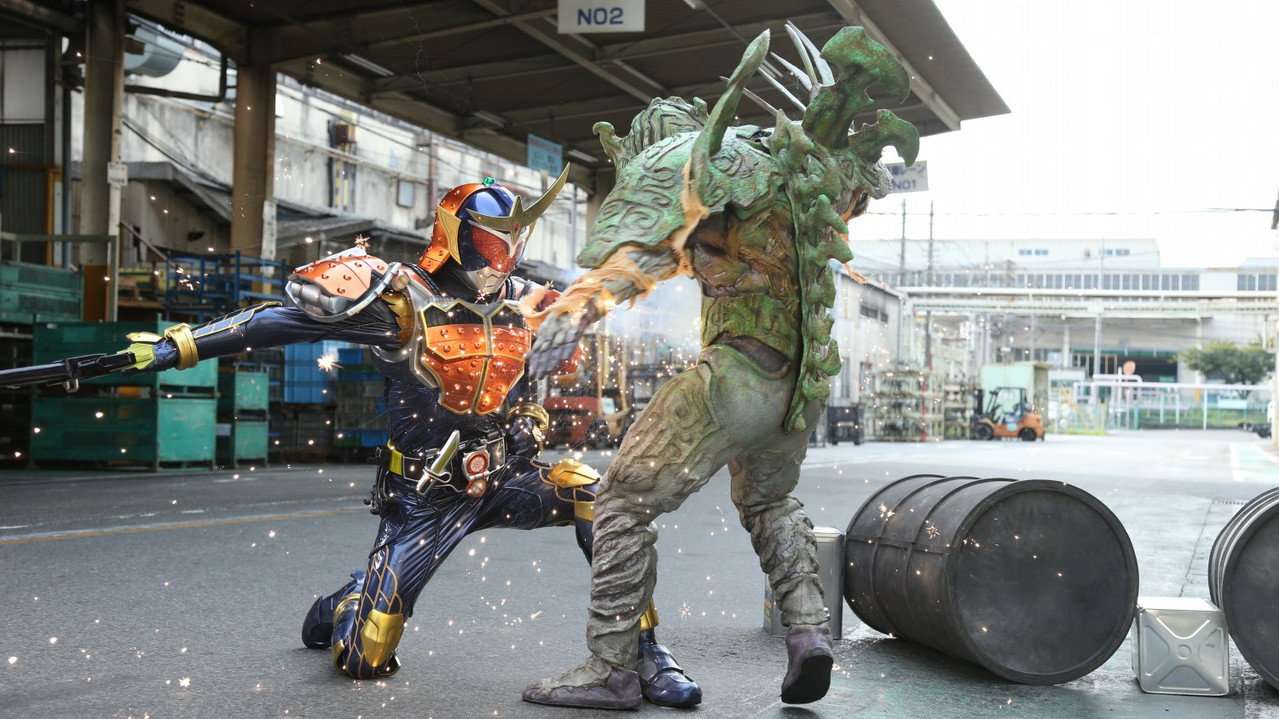
The violence stays within Japanese Sunday-morning broadcast standards—lots of sparks flying off rubber suits, dramatic tumbles down concrete stairs, and zero gore—so the intensity comes entirely from the writing. Watching Kouta's best friend slowly compromise every moral he has out of fear and jealousy hits much harder than a standard superhero laser fight.
Getting past the 2013 CGI
You have to grade TV-budget Japanese special effects on a curve. The practical suit work and stunt choreography are fantastic, and watching an actor in bulky armor pull off spinning kicks never gets old. The early-2010s CGI used for the giant glowing fruit unfolding onto their shoulders—or the occasional giant monster—looks like a PlayStation 2 cutscene. Kids who are into anime or live-action superhero stuff adapt to the visual vocabulary in about ten minutes.