How a rocky 2004 toy commercial became a cult tragedy
To understand Kamen Rider Blade, it helps to know where it sits in Japanese TV history. The early 2000s "Heisei era" of Kamen Rider ditched the simple good-versus-evil formula of the 1970s in favor of J-drama angst, rival heroes who fight each other as much as the monsters, and high-concept toy gimmicks.
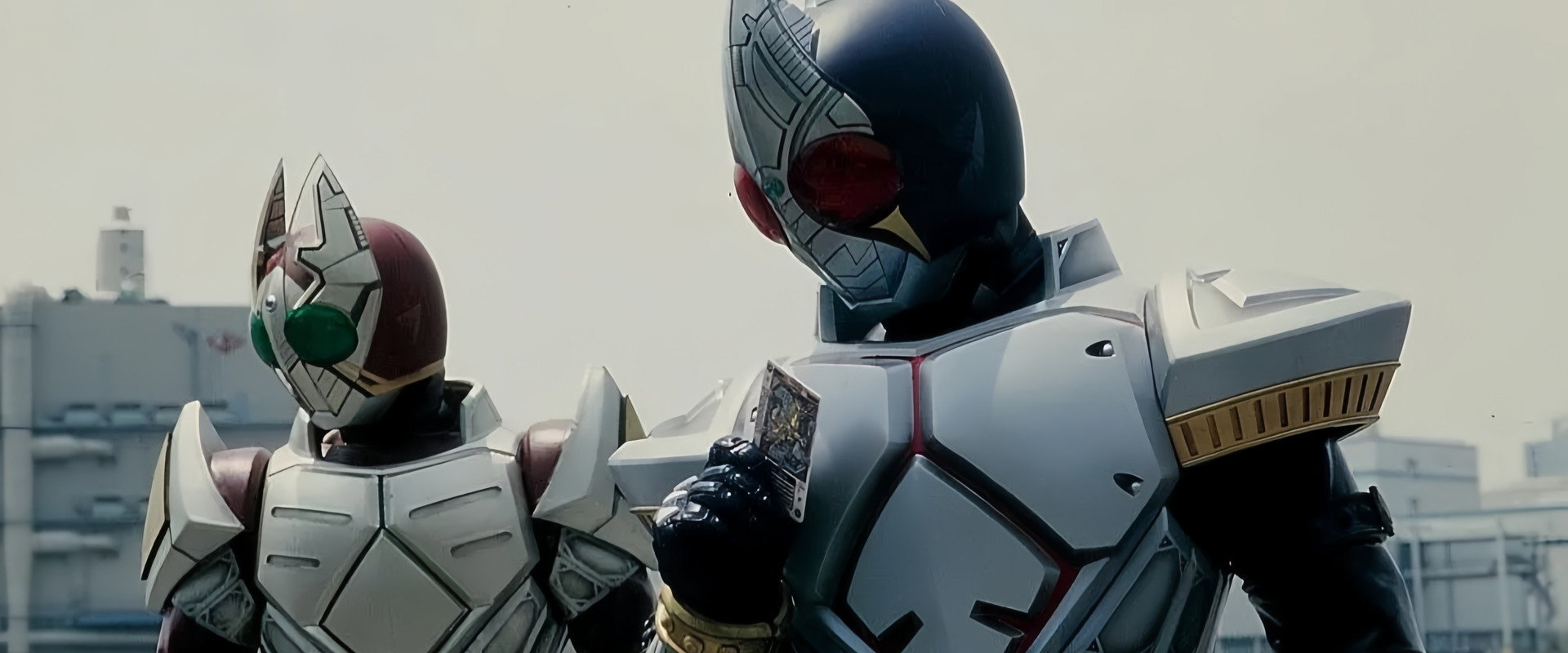
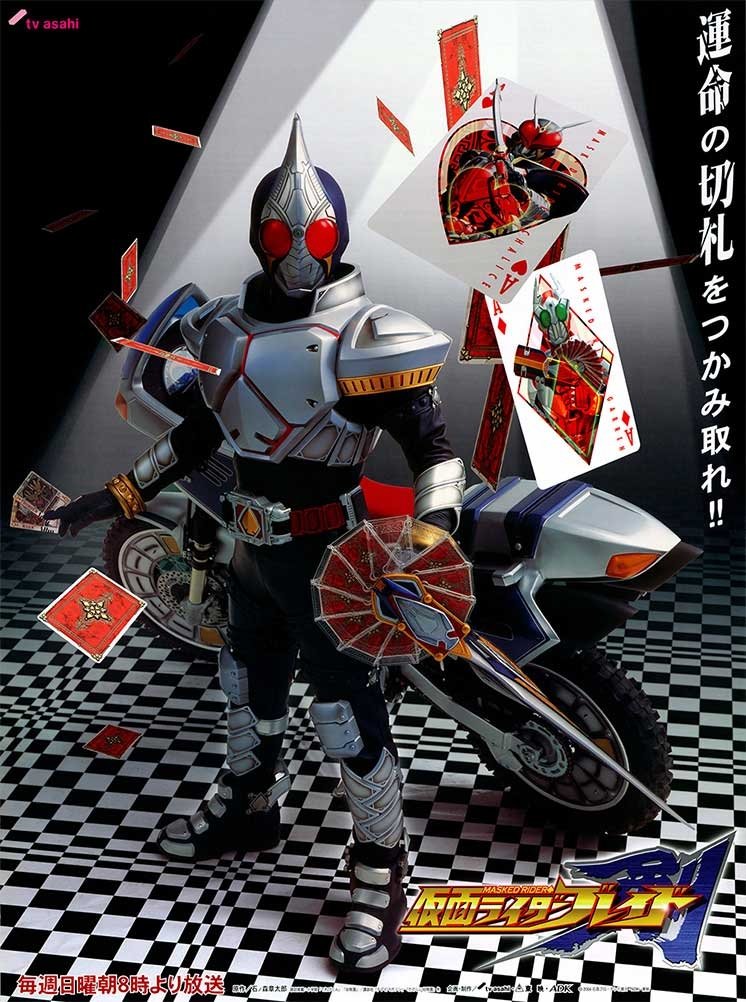
Blade went all-in on playing cards. Every monster belongs to a suit (Spades, Diamonds, Hearts, Clubs) and a category from Ace to King. When Kazuma Kenzaki (Blade) or his neurotic senior colleague Tachibana (Garren) defeats a monster, they toss a blank card at it, seal it inside, and add that card to their deck. Swiping combinations of cards through their weapons triggers lightning kicks, flaming punches, or royal-flush finishers. For kids who love system-heavy shows like Yu-Gi-Oh! or Pokémon, the mechanics are catnip.
The Episode 1–14 hurdle
Even die-hard fans will warn you about the beginning. In Episode 1, the secret organization paying the Riders' salaries (BOARD) gets wrecked, leaving our heroes homeless, confused, and yelling at each other in parking lots. Tachibana spends weeks betraying everyone because he thinks his suit is eating his body (it's mostly in his head, plus some monster manipulation). The acting is wooden, the early-2000s digital video looks flat, and the CGI motorcycles look like they were rendered on a toaster.
Around Episode 15, the show finds its footing. The four Riders—Blade, Garren, the wild-card Chalice, and a high-school kid who becomes Leangle—settle into real character arcs. The central relationship between Kenzaki, an endlessly earnest guy who just wants people to be happy, and Hajime (Chalice), a deadly Undead monster trying to live peacefully with a human family, becomes the beating heart of the series.
Better starting points if you're new
Unless your kid specifically asked for the card-themed Rider, you have easier entry points into the franchise:
- Kamen Rider Geats (2022) or Kamen Rider Gavv (2024): Modern HD visuals, snappy pacing from Episode 1, and much easier for a contemporary kid's eyeballs to adjust to.
- Kamen Rider W (Double) (2009) or Kamen Rider OOO (2010): The gold-standard classics of the franchise—funnier, cleaner, and far less depressing than early Blade.