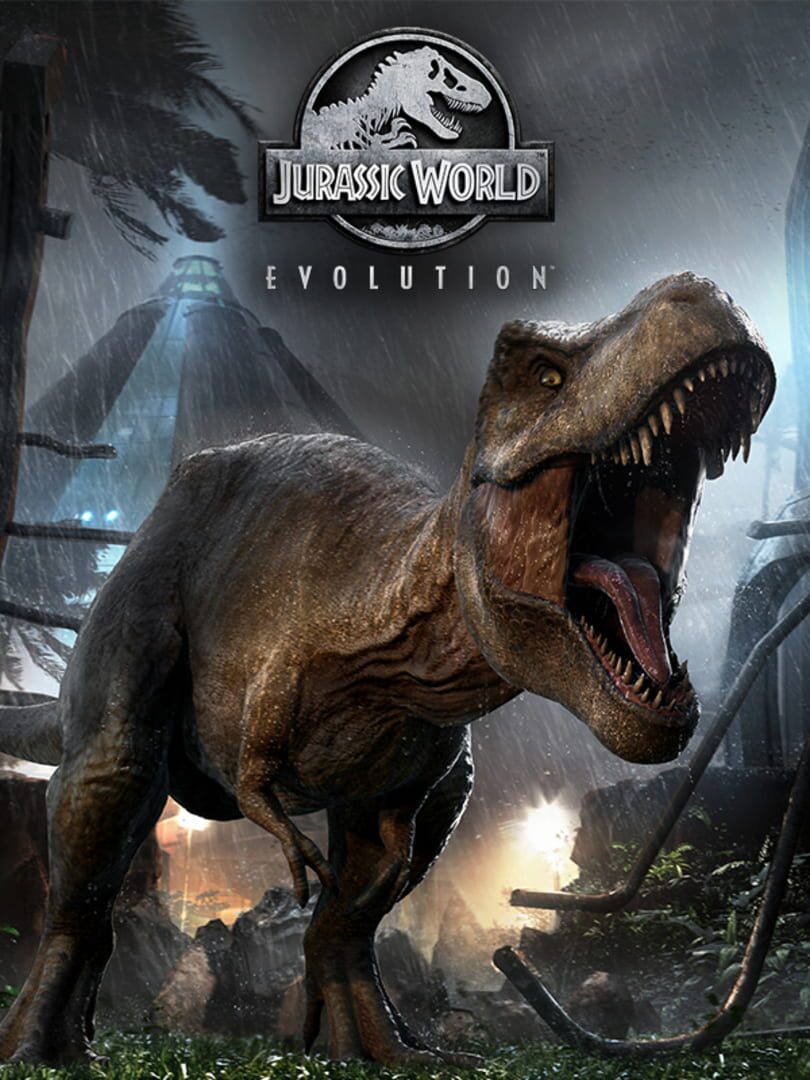
If your kid likes city builders or sandbox strategy and happens to love dinosaurs, Jurassic World Evolution hits a solid sweet spot. It puts players in charge of running a functional theme park, balancing power grids, feeder schedules, guest amenities, and genetics research across multiple islands.
It is not a mindless action game. Keeping guest satisfaction high while preventing a five-ton carnivore from smashing through a fence requires actual forward planning and resource allocation. The friction comes during containment failures: when a tropical storm strikes, power drops, and carnivores start chasing guests, the game tests quick decision-making under pressure.
For tweens and teens with the patience for management strategy, it offers a sleek, engrossing single-player sandbox. Just know that visitor casualties are a built-in mechanic when operations go sideways.
Age Fit
Best for kids age 10 and up who have the patience for menu-heavy management systems and won't get rattled when a containment breach leads to park chaos.
WISE Breakdown
Wholesome
62
Themes center on corporate profit and bioengineering ethics, with dinosaurs occasionally eating park guests when containment fails, though presented in a stylized simulation format.
Imaginative
85
Encourages creative island layout, enclosure design, genetic trait experimentation, and long-term strategic planning.
Safe
84
Single-player offline experience with zero chat features, predatory microtransactions, or loot boxes. Stylized PG-13 violence when dinos attack.
Enriching
80
Develops spatial logic, financial balance, risk mitigation, and cause-and-effect decision making under operational stress.
Parent Info
✓
Why It Might Be Great
Deep logistics management that forces players to balance electricity grids, island space, visitor satisfaction, and containment security.
Satisfying creative payoff when designing custom enclosures and tweaking dinosaur genetics for specific behavioral traits.
Teaches real trade-offs between short-term financial gains and long-term safety infrastructure.
⚠
What to Watch For
Dinosaur attacks on humans feature dinosaurs hunting park visitors or swallowing them; while not graphic or bloody, scream sound effects and chaos are frequent during breakouts.
Cascade failure spirals can happen quickly when a tropical storm knocks out power, releasing predators and wiping out park finances in minutes.
Conversation Starters
"When the monsoon knocked out power, did you prioritize rebooting the grid or tranquilizing the loose carnivores first?"
"In the game, engineering dinos to be more aggressive increases their star rating and park profits. Is taking that risk worth the danger?"
"Which division did you favor on your island: Science, Entertainment, or Security?"
Deep Dive
Park Strategy Meets Jurassic Chaos
Jurassic World Evolution strips away the typical action-hero beats of the film franchise and replaces them with feeder schedules, research budgets, and power grid management. Developed by Frontier Developments—the studio behind Planet Coaster—the game demands that players think like systems managers.
The Mechanics of Containment
Players manage three competing divisions on each island: Science, Entertainment, and Security. Satisfying one division often irritates another, creating constant strategic choices. Do you spend your budget researching higher-grade electrified fencing, or do you extract DNA from fossils to hatch a higher-rated Spinosaurus that draws bigger crowd revenues?
Genetics and Behavior: You can modify dinosaur genomes to alter their life expectancy, disease resistance, and aggressiveness. High visibility draws income, but higher aggressiveness increases the odds of a fence breach.
Disaster Response: Players can take manual control of helicopters to tranquilize escaped dinos or drive ranger jeeps to reboot broken power substations during storms.
Is It Too Violent for Younger Kids?
While there is no explicit blood or gore, dinosaurs will hunt each other, kill livestock, and pick up human guests to swallow them. The violence matches the PG-13 tone of the movie franchise. The main barrier for kids under 10 usually isn't horror—it's the financial and operational frustration when an island goes bankrupt after a storm.