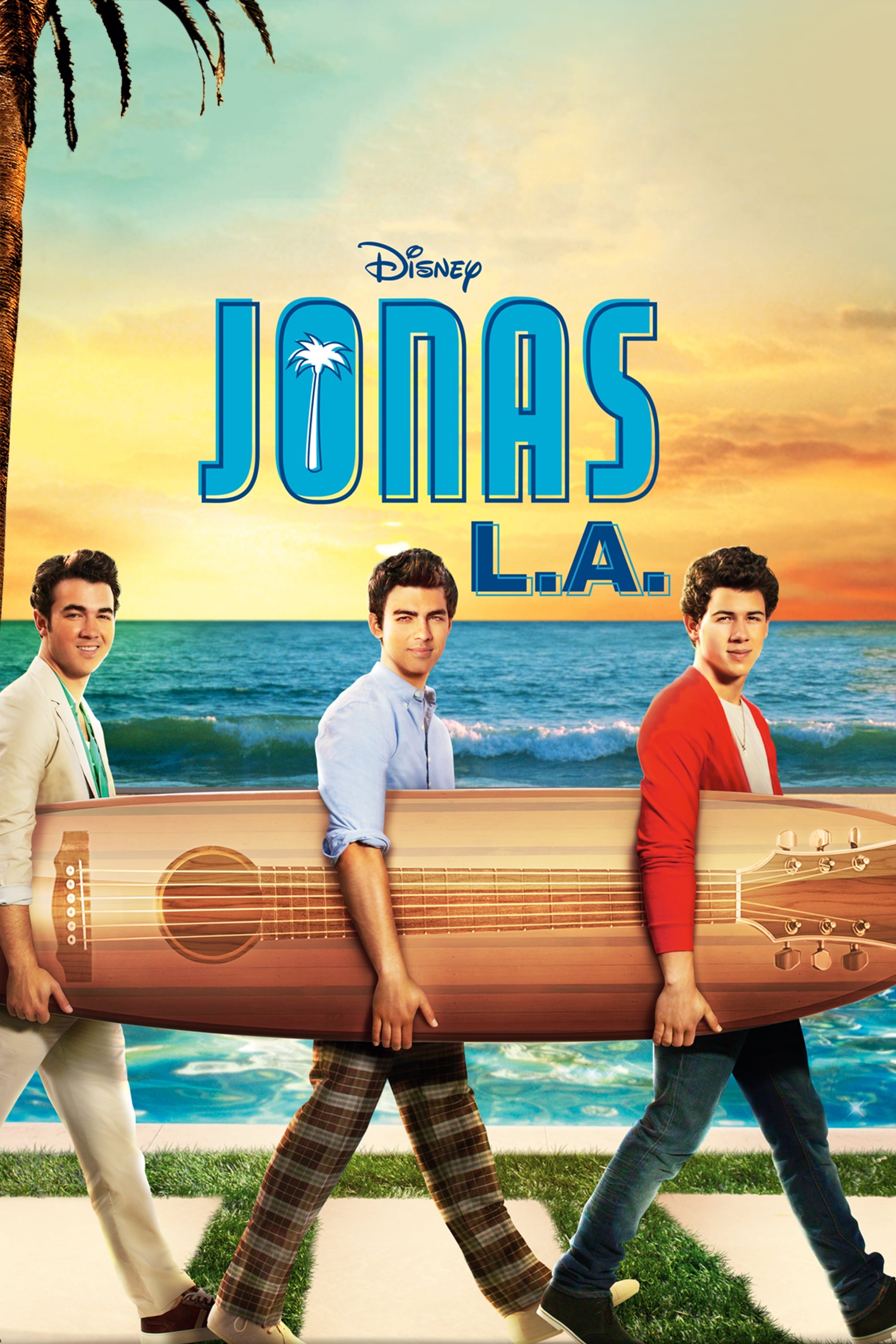
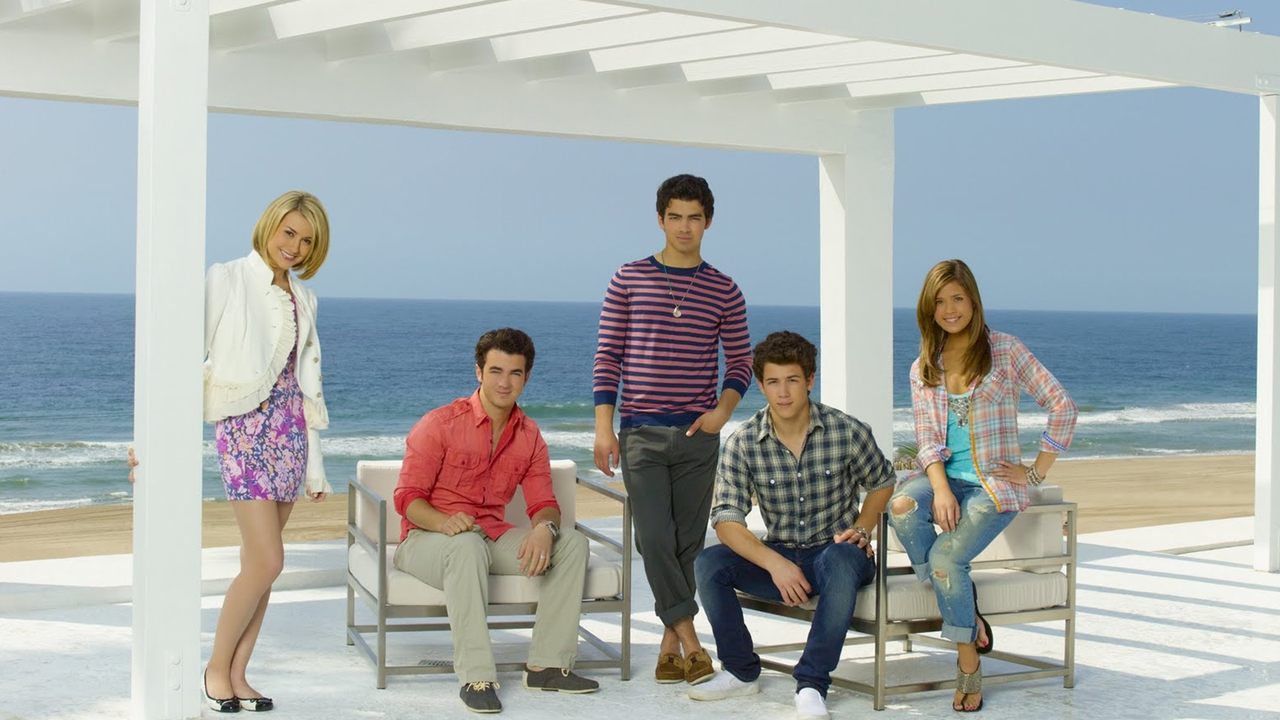
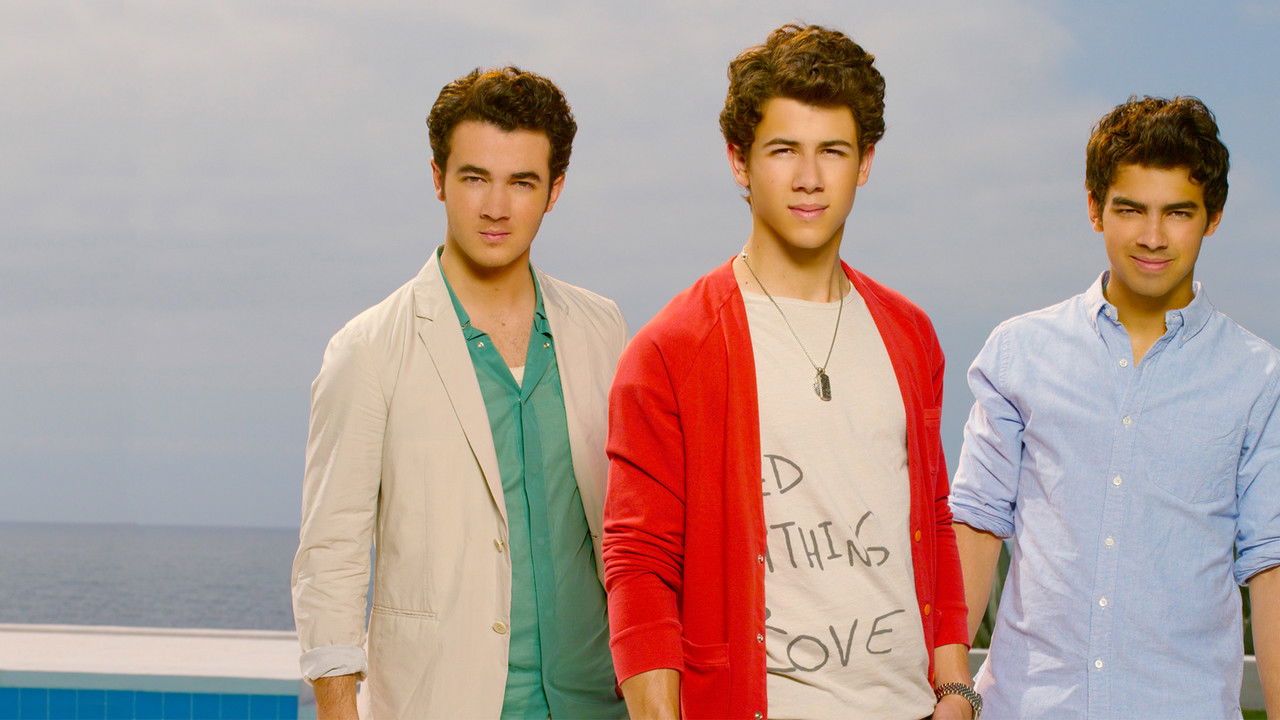
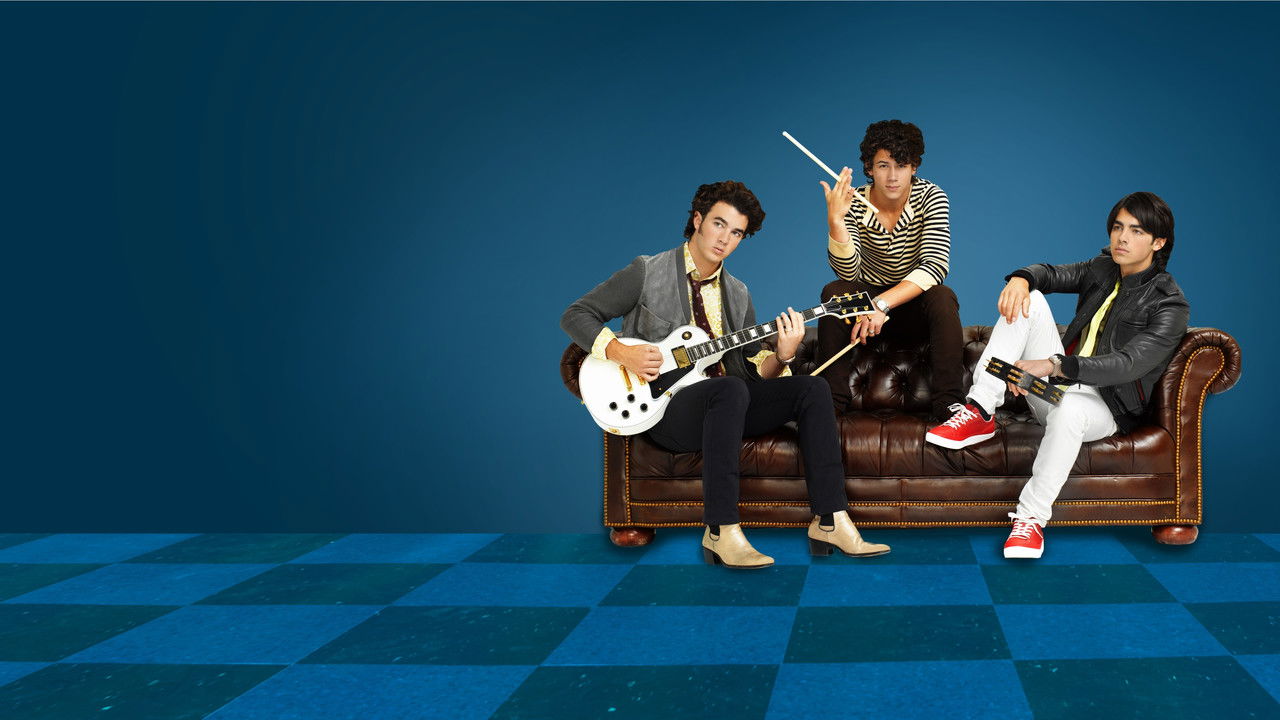
The massive gap between the 4.8 IMDb score and the 89% critic rating on Rotten Tomatoes tells you everything you need to know about this show’s identity crisis. Most viewers—likely the fans who were there in 2009—found the sitcom setup stiff. Critics, on the other hand, were surprisingly kind to the second season's transition into a more cinematic, single-camera format. It’s a rare case where the "professional" take appreciated the technical glow-up while the audience just wanted the guys to be funny.
The Macy Misa Problem
While the show is generally harmless, the character of Macy Misa is a fascinating, if slightly uncomfortable, look at late-2000s fan culture. In the early episodes, her character is defined entirely by an obsessive, borderline-stalker energy that was a standard Disney Channel trope at the time. By modern standards, the way her "superfan" behavior is played for laughs feels dated.
The show eventually pivots to make her a legitimate friend and love interest, but those early interactions are a great opening to talk to your kids about boundaries. If your kid is used to the way modern fandom works on TikTok or Instagram, Macy’s "vibrating with excitement" schtick might come off as more creepy than cute.
A Time Capsule of "Cool"
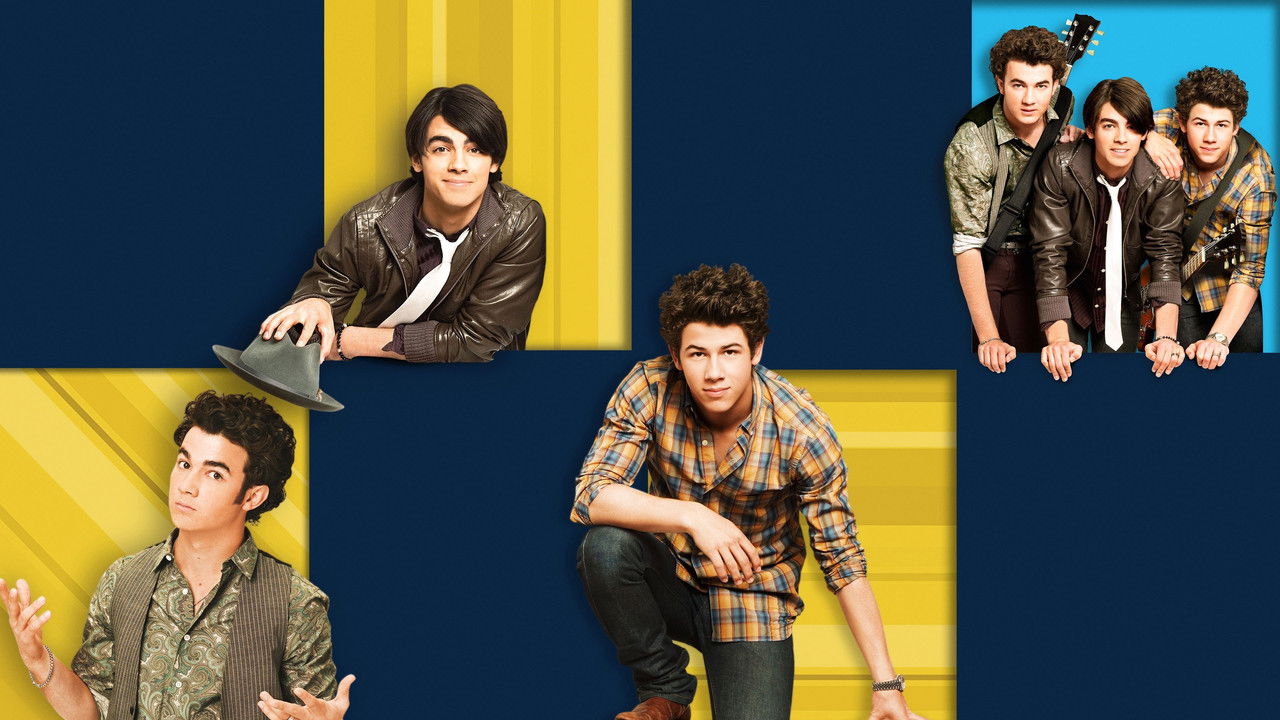
If your kid is currently raiding thrift stores for "indie sleaze" or 2000s-era fashion, they will find this show a goldmine. JONAS L.A. represents the absolute peak of the skinny tie, the vest-over-T-shirt, and the side-swept hair. It’s a visual manual for what Disney thought "rock star" looked like in 2009.
Unlike Hannah Montana, which leaned heavily into the "secret identity" drama, this show treats the brothers' fame as a casual inconvenience. They go to Horace Mantis Academy and try to live normal lives, but the show never really sells the "struggle." Everything is bright, the parents are chill, and the stakes are lower than a basement floor. It’s the ultimate "no-thought-required" viewing.
When to Skip
If your kid isn't already a fan of the music, there isn't much here to hook them. The humor relies heavily on the "random" style that defined the era—lots of non-sequiturs and goofy faces that don't always land. If they want a show about a band with actual comedic timing, they’re better off with Big Time Rush. But if they want a low-stress summer vibe where everyone is impossibly well-dressed and the songs are catchy enough to get stuck in your head for three days, this is the one.