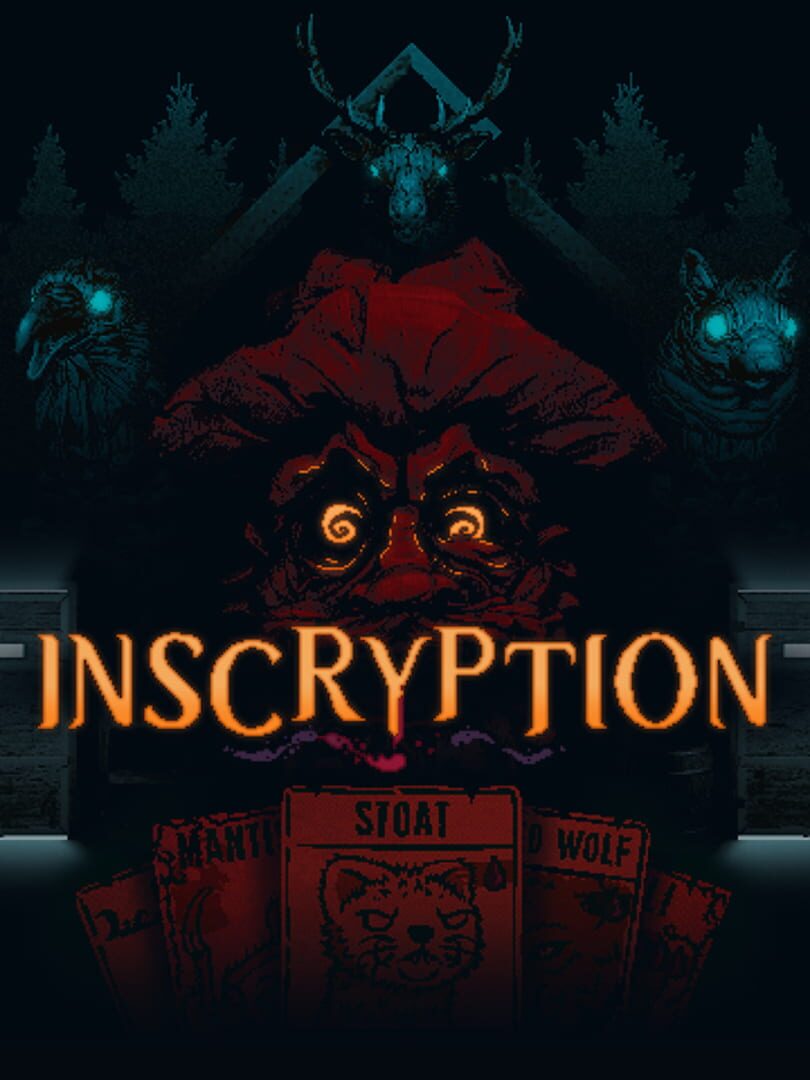
Inscryption is a masterpiece of indie game design. It’s the kind of game that turns players into amateur detectives, scouring the screen for clues and hidden meanings. Because it’s strictly single-player and lacks any 'live service' hooks, it’s a refreshing break from the dopamine-loop of multiplayer shooters.
That said, it is genuinely dark. If your kid is prone to nightmares or doesn't like the feeling of being 'watched' by a game, maybe skip it. But for a teen who loves strategy and a good mystery, this is as good as it gets.
Age Fit
Best for 12 or 13+. It's not 'adult' in the sense of sex or extreme gore, but the psychological intensity and 'creepypasta' vibes are geared toward teens and adults who can appreciate the meta-mystery.
WISE Breakdown
Wholesome
35
The game is built on a foundation of psychological horror, dread, and a mechanic centered on 'sacrificing' animal cards to progress. It's not here to model kindness or cooperation; it's here to unnerve you.
Imaginative
98
This is one of the most creative games of the decade. It constantly subverts expectations, blends genres (deck-building, escape room, FMV), and uses meta-narrative tricks that break the fourth wall in brilliant ways.
Safe
78
As a single-player indie title, it avoids the usual pitfalls of toxic chat and predatory microtransactions. However, the 'safe' score is tempered by its horror themes and some stylized blood/violence.
Enriching
85
It demands high-level strategy, pattern recognition, and lateral thinking. The puzzles are genuinely challenging and the narrative requires deep analysis to fully parse.
Parent Info
✓
Why It Might Be Great
Genre-bending genius that starts as a card game and evolves into something much more complex and surprising.
Satisfying strategy for kids who love Magic: The Gathering or Hearthstone but want a deeper, single-player challenge.
Atmospheric storytelling that feels like a digital escape room filled with secrets and lore.
Zero monetization junk—it's a complete, artistic experience without Battle Passes or loot boxes.
⚠
What to Watch For
The core mechanic involves sacrificing animal cards (like squirrels or cats) to play stronger ones; it's stylized but definitely macabre.
The psychological horror is heavy on dread and atmosphere, with a few well-placed jump scares that might rattle younger or sensitive players.
The game occasionally interacts with the computer's files as a meta-narrative trick, which can be confusing or alarming if you aren't expecting it.
Conversation Starters
"Why do you think the game forces you to sacrifice cards to win? What does that say about the character you're playing?"
"How did your strategy change when the game shifted from the cabin to the later acts?"
"What was the creepiest moment for you, and why did it work better than a standard jump scare?"
"If the cards could talk back to you in real life, which one in your deck would be the most upset with how you used it?"