The 12% vs. 83% Divide
There is a massive canyon between what critics think of Insatiable and how the general audience feels about it. Critics effectively buried it, calling it cruel and poorly crafted. Meanwhile, the audience score on Rotten Tomatoes suggests a huge segment of viewers found it addictive.
This gap exists because the show isn't trying to be "good" in a traditional, prestigious way. It’s a neon-soaked, mean-spirited soap opera. If you go in expecting a nuanced take on body positivity, you’ll be miserable by the end of the pilot. If you’re looking for a show that treats every character like a punching bag and leans into the most absurd plot twists possible, you might see why it developed a cult following. It’s less Lady Bird and more a low-budget, high-chaos version of Heathers.
From Pageants to Police Tape
The biggest hurdle for a parent isn't just the "fat-shaming" controversy that dominated the headlines when the show launched. It’s the total genre-bending insanity that happens midway through. Most teen shows stay in their lane—if it starts as a high school comedy, it usually stays a high school comedy. Insatiable doesn't care about lanes.
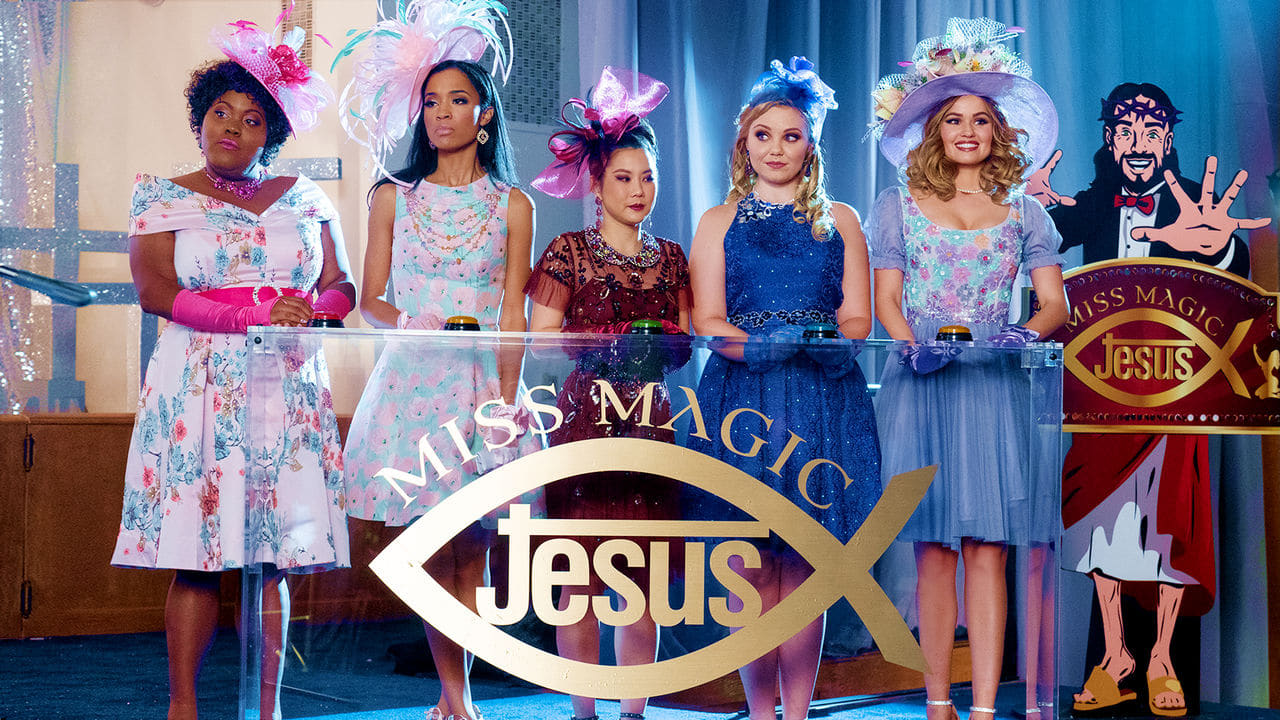
It starts with a girl getting her jaw wired shut, losing weight, and entering the pageant circuit for revenge. But by the time you're deep into the story, it has pivoted into a dark crime thriller involving kidnapping and homicide. The stakes don't just escalate; they fly off a cliff. This isn't a "glow-up" story; it’s a descent. If your teen is watching this because they like pageant culture or makeover shows, they are going to end up watching a very different, much more violent program than they signed up for.
The "Satire" Defense
The creators often defended the show’s cruder moments as satire. Satire is supposed to punch up at systems, but Insatiable mostly just punches everyone. It uses every trope in the book—stereotypes about the South, about sexuality, and about weight—and claims it’s "commentary."
The problem is that for satire to work, the audience needs to know what the show actually stands for. Here, the moral compass is spinning wildly. Patty, the lead, isn't a hero, and the show doesn't really try to make her one. She’s destructive. For an older viewer who can spot the irony, that might be the draw. For a younger teen still figuring out their own relationship with their body and social status, the "satire" is likely to get lost in the noise of the constant, blunt-force insults.
If They Liked This, Try That
If your teen is drawn to the "dark high school" vibe but you want something with a bit more intellectual weight, there are better options. If they liked the campy, over-the-top mean girl energy, they’re probably looking for something that feels dangerous without being as messy as this.
- For the "revenge" itch: Look for stories where the protagonist actually grows, rather than just getting even.
- For the pageant fix: There are plenty of reality shows or documentaries that cover the absurdity of that world without the side of serial-killer subplots.
Ultimately, Insatiable is a "trash-watch." It’s the TV equivalent of a gas station snack—it might hit the spot in the moment, but it’s mostly just empty, slightly toxic calories.