Once Upon a Time in Nazi-Occupied France
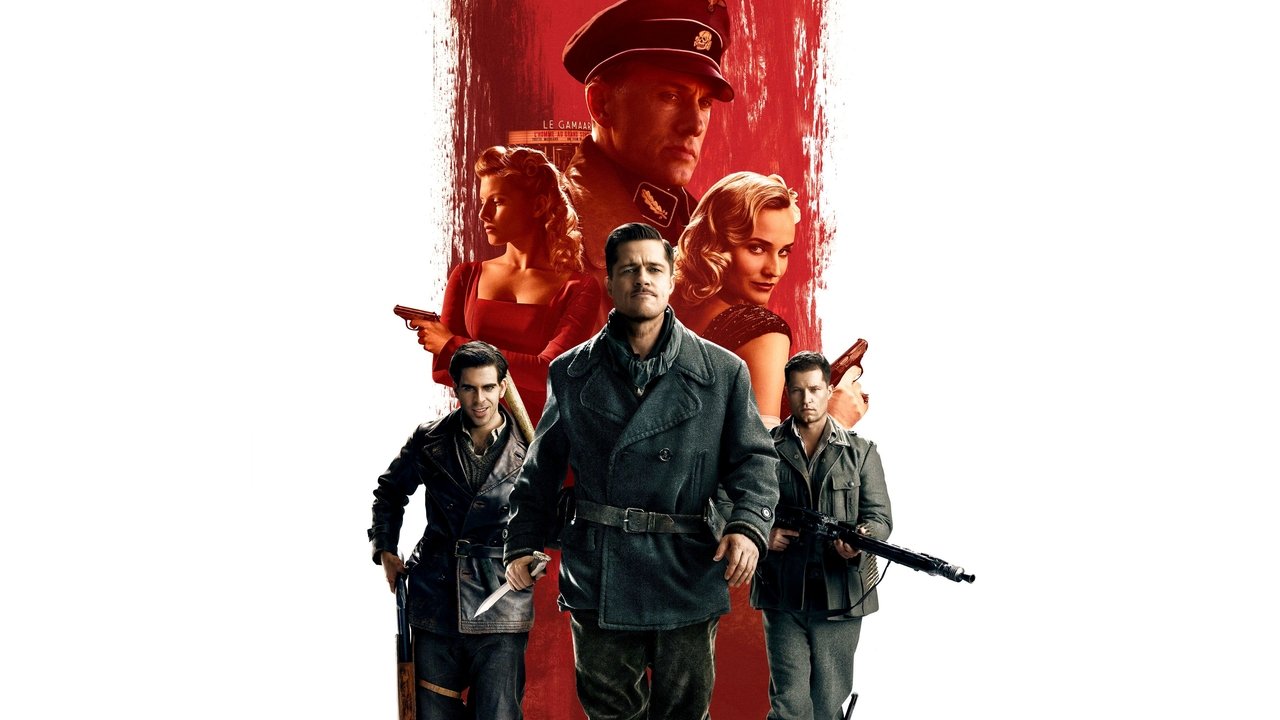
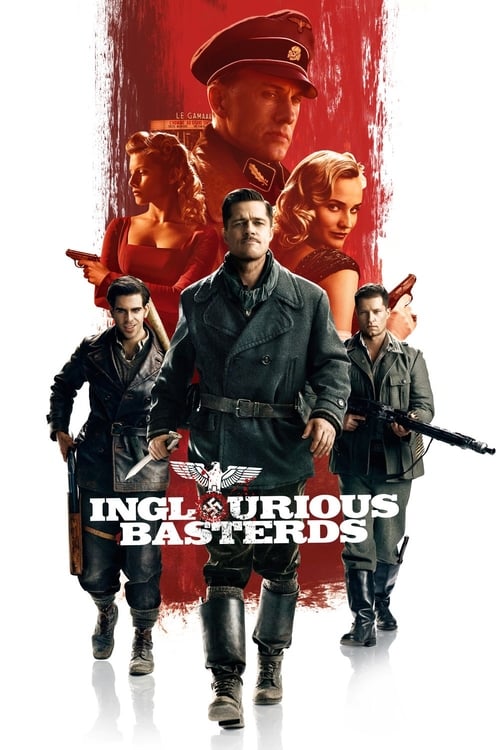
Quentin Tarantino famously described this as his version of a spaghetti western set in World War II. It’s important to understand that context because it explains why the movie feels so different from Saving Private Ryan or Band of Brothers. There is no attempt at gritty realism or honoring the 'Greatest Generation' here. Instead, it's a movie about the power of movies.
The Landa Factor
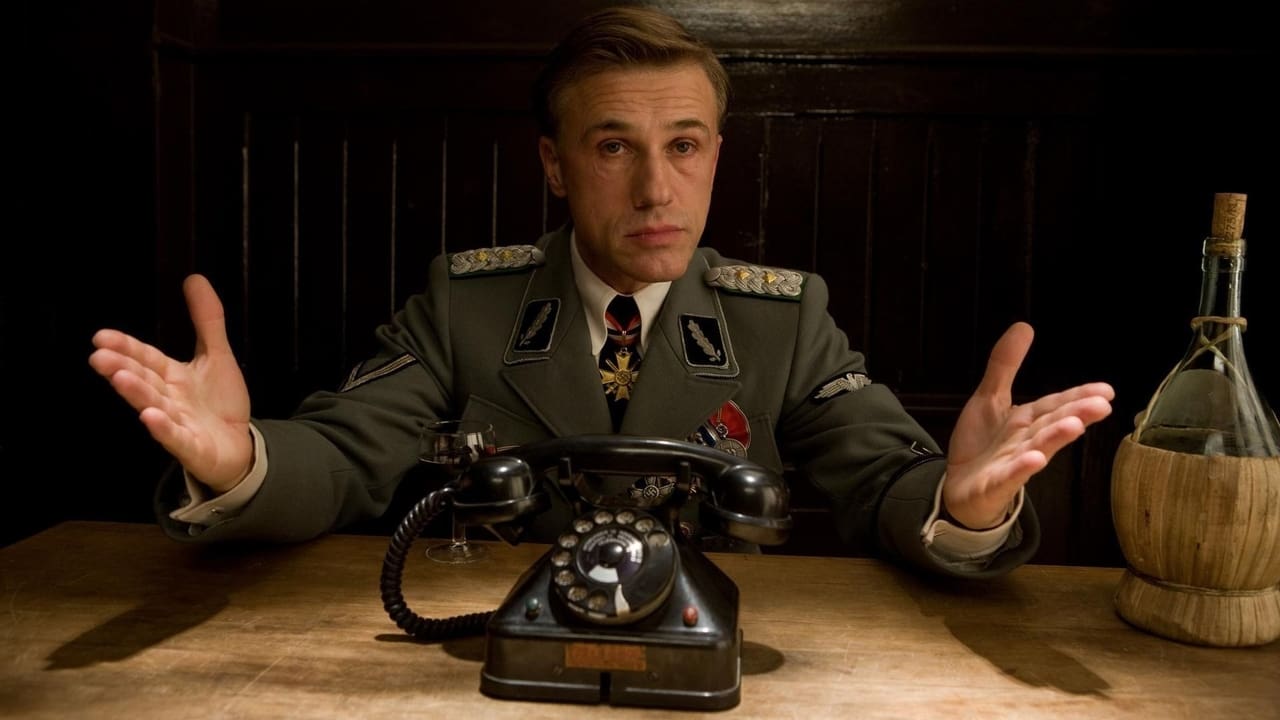
The film lives and dies by Christoph Waltz’s Col. Hans Landa. He is the 'Jew Hunter,' and he is terrifying precisely because he is charming, multilingual, and seemingly reasonable. The opening 20 minutes of the film is a masterclass in screenwriting—a simple conversation over a glass of milk that carries more tension than most billion-dollar action finales. It’s a great way to show a teen how suspense is built through what isn't being said.
The Violence is the Point
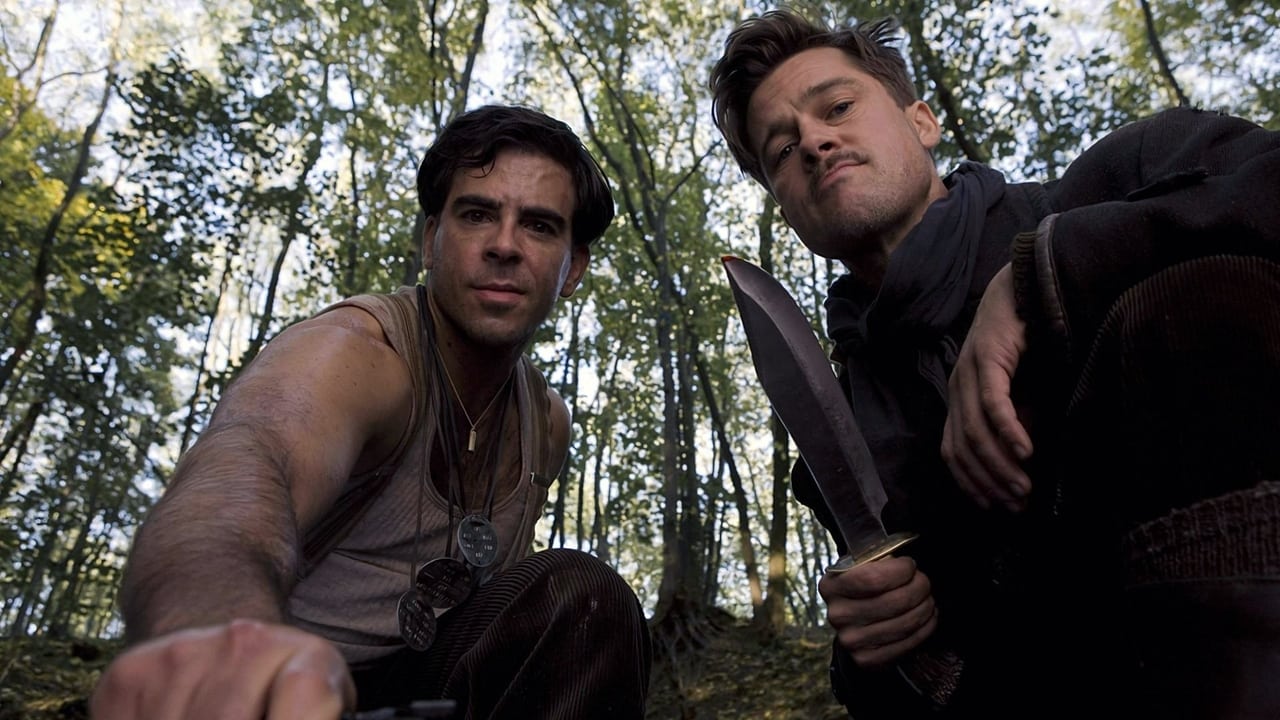
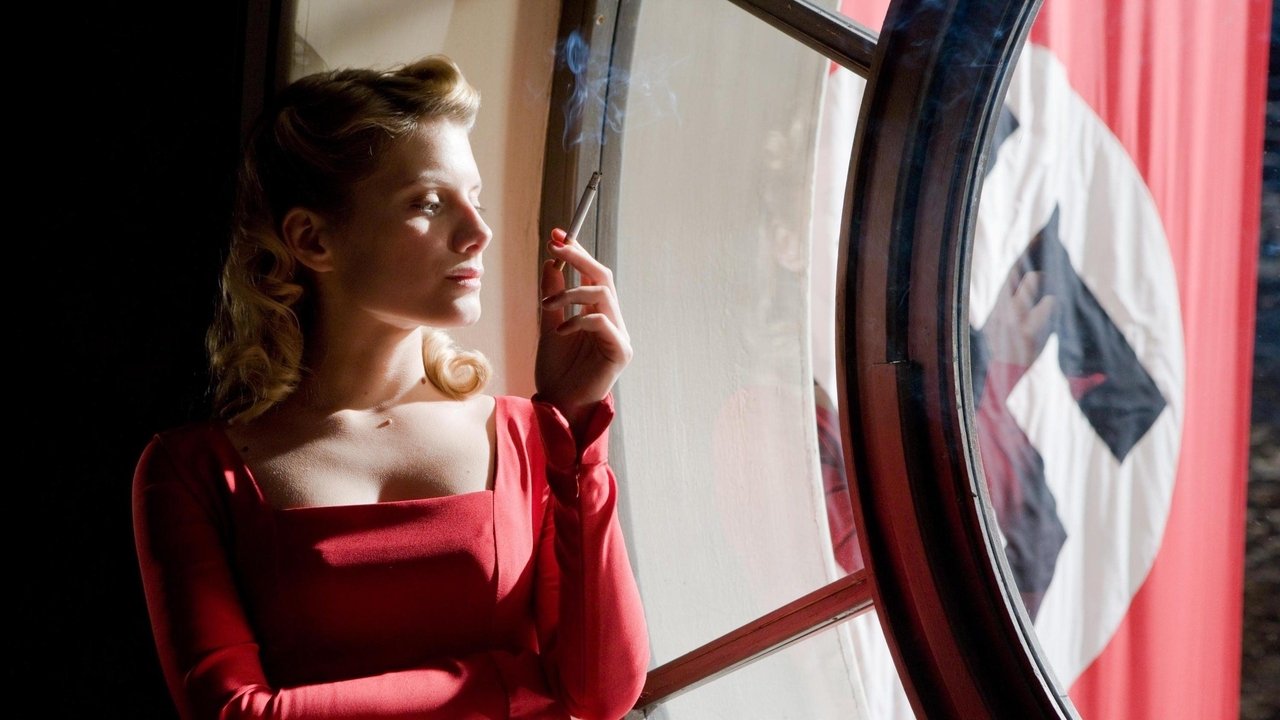
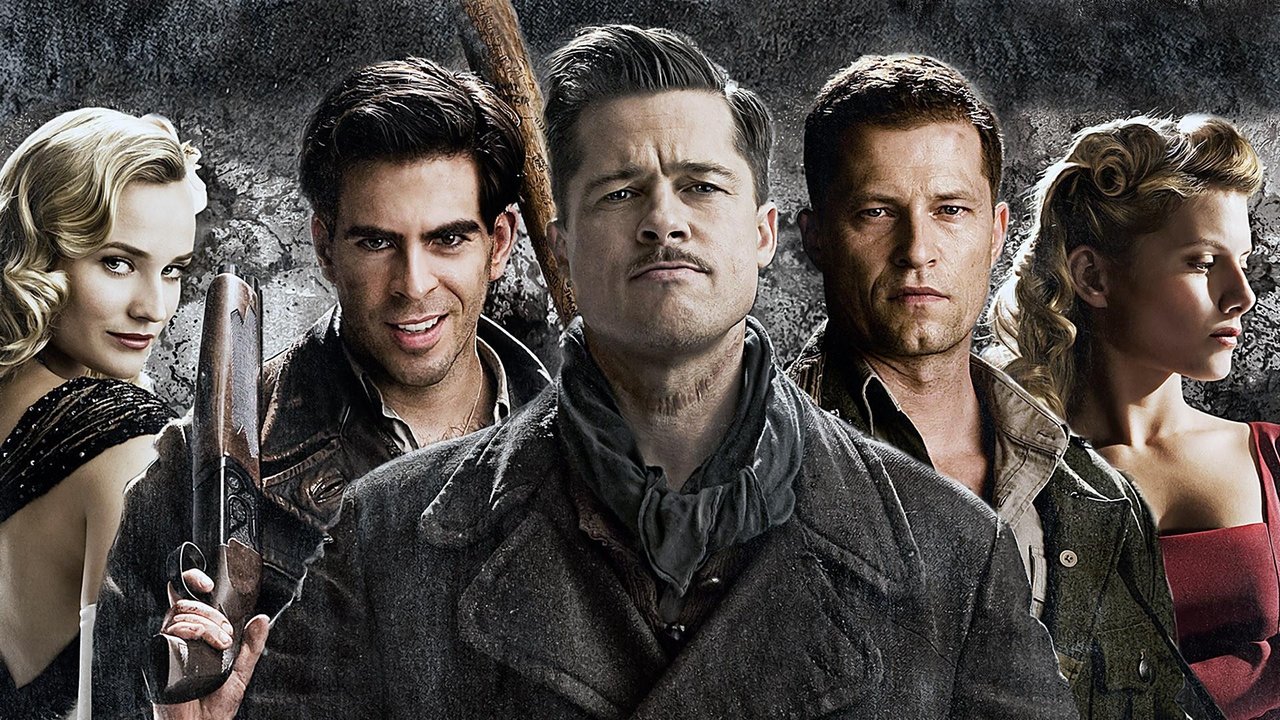
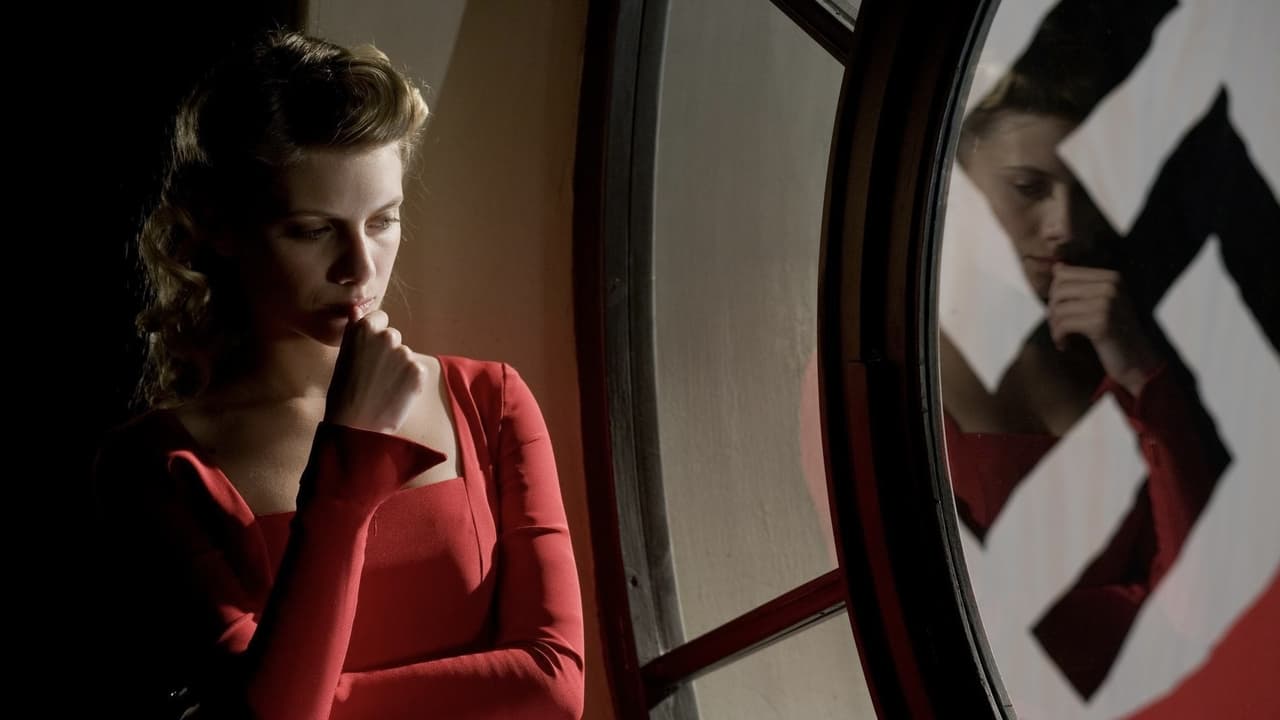
We have to talk about the 'Bear Jew' and the scalping. Tarantino doesn't use violence to show the tragedy of war; he uses it as a form of audience catharsis. When the Basterds are on screen, the movie is a brutal, almost cartoonish slasher flick. When Shosanna (the French-Jewish theater owner) is on screen, it’s a sophisticated suspense thriller. The collision of these two worlds in the final act is spectacular, but it is undeniably grisly.
Why it's still relevant in 2026
In an era of endless franchises, Inglourious Basterds stands out as a singular, creator-driven vision. It rewards viewers who pay attention to details—like the 'three-finger' German drinking gesture that gives away a spy. It’s a movie that demands to be discussed afterward, particularly regarding the ethics of 'revenge' and how we use media to process historical trauma. Just make sure the kids are in bed before you hit play.