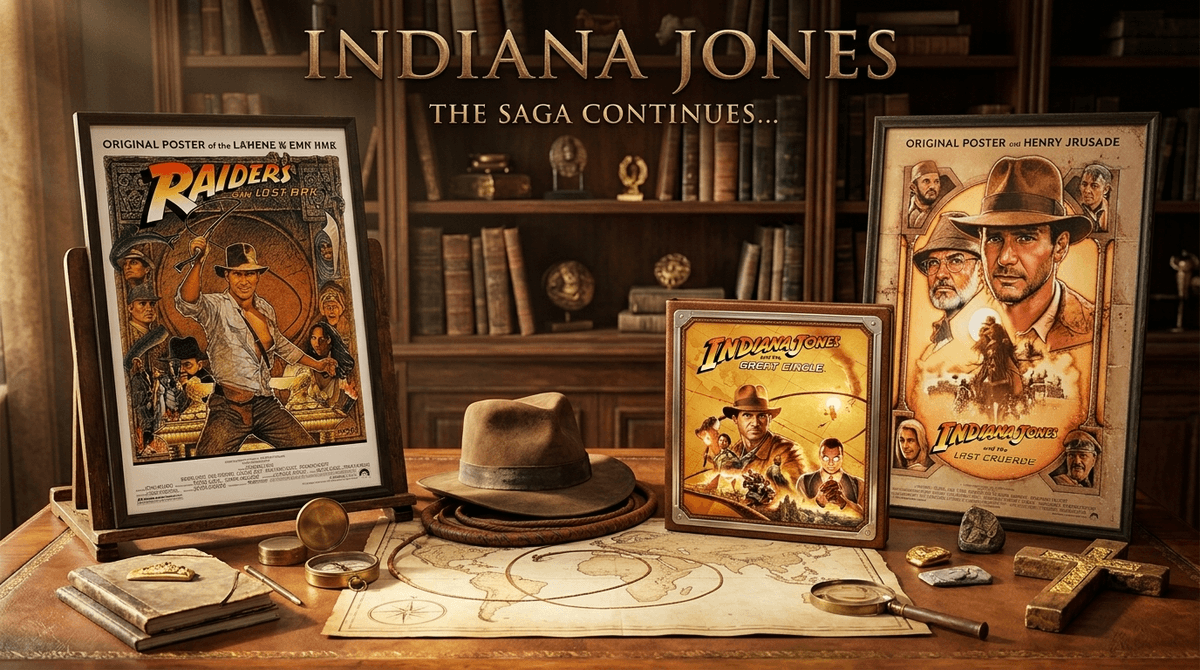
This is the Indiana Jones experience fans have been waiting for since the 90s. It’s not just a reskinned shooter; it’s a methodical, atmospheric adventure that treats the player like they actually have a brain. MachineGames nailed the balance between cinematic brawls and the kind of 'wait, how does this gear turn?' puzzles that defined the films.
It’s a refreshing break from the live-service treadmill. You buy it, you play it, you solve a grand mystery, and you're done. It’s high-quality, high-effort digital escapism that respects the source material and the player's time.
Age Fit
Best for 12 and up. It’s a 'Teen' game through and through—if they can handle the Raiders of the Lost Ark movies, they can handle this. The puzzles might be too opaque for younger kids without a parent sitting nearby to help.
WISE Breakdown
Wholesome
78
Indy is the classic hero who relies on his wits and his whip more than a gun. It models curiosity and a respect for history, though the 1930s setting means dealing with Nazis as the primary antagonists.
Imaginative
92
The game excels at environmental storytelling and complex, multi-stage puzzles that force players to actually look at their surroundings rather than just following a glowing quest marker.
Safe
72
It's a single-player experience with no social risks, but the combat is visceral. While not 'gratuitous,' you are punching, whipping, and occasionally shooting Nazis, with blood effects consistent with a T-rated game.
Enriching
85
It acts as a gateway to archeology and history. The 'Great Circle' mystery involves real-world sites and encourages lateral thinking to solve ancient mechanical riddles.
Parent Info
✓
Why It Might Be Great
Genuine archeology vibes that reward you for taking photos, reading journals, and actually solving mysteries instead of just clearing rooms of enemies.
Creative whip mechanics that serve as a multi-tool for swinging across pits, disarming guards, and manipulating the environment.
Cinematic storytelling that captures the specific 1930s serial-adventure tone of the original films better than any game in the last twenty years.
Single-player focus means no battle passes, no loot boxes, and no screaming strangers in a lobby.
⚠
What to Watch For
The first-person perspective can make the platforming feel a bit 'floaty' or imprecise, which might lead to some frustrating trial-and-error deaths.
Combat is 'satisfyingly brutal'—there is blood, and while it's not a horror game, the takedowns are much more visceral than the PG-rated movies.
The Nazi imagery is historically accurate for the 1930s setting, which serves the plot but requires some context for younger kids.
Conversation Starters
"Indy says artifacts belong in a museum. Do you think that's always true, or should they stay where they were found?"
"Which was more satisfying: winning a fistfight or finally cracking that temple puzzle?"
"If you were an archaeologist, which part of the world would you want to explore first?"
"Why do you think Indy uses a whip instead of a more modern weapon?"
Deep Dive
MachineGames, the studio that spent years perfecting the art of punching Nazis in the Wolfenstein series, took a surprising and welcome pivot here. Instead of a high-octane gore-fest, they delivered a game where the camera spends as much time looking at ancient maps as it does at the business end of a fist.
The 'Great Circle' refers to a series of spiritual sites around the globe that form a perfect alignment—a classic Indy MacGuffin that takes you from the Vatican to the pyramids. What makes it work is the 'Adventure' in action-adventure. You have a camera to document findings and a journal that fills up with clues, making the player feel like they are actually piecing together a puzzle rather than just following a waypoint to the next cutscene.
While the first-person view was a point of contention during development, it actually serves the immersion. Looking through Indy's eyes as you strike a match in a dark tomb or use the whip to snag a distant lever adds a tactile feel that third-person games like Uncharted often lack. It’s a slower, more deliberate pace that rewards patience and observation—traits we’d love to see more of in modern gaming.