The virtue of twenty-six minutes
Feature-length adaptations of picture books almost always break under their own weight. To stretch Dr. Seuss's sixty-nine-page book into a theatrical runtime, filmmakers inevitably invent childhood trauma for the Grinch, awkward romantic rivalries, and frantic chase scenes. The 1966 special works because Chuck Jones and Theodor Geisel knew when to stop.
Every scene exists to serve the central idea: a bitter recluse discovers that joy is communal rather than transactional. When the Grinch strips Whoville bare, down to the last can of Who-hash, the narrative tension is razor-sharp. When the Whos hold hands and sing anyway, the turnaround feels earned.
Visual rhythm that modern animation forgot
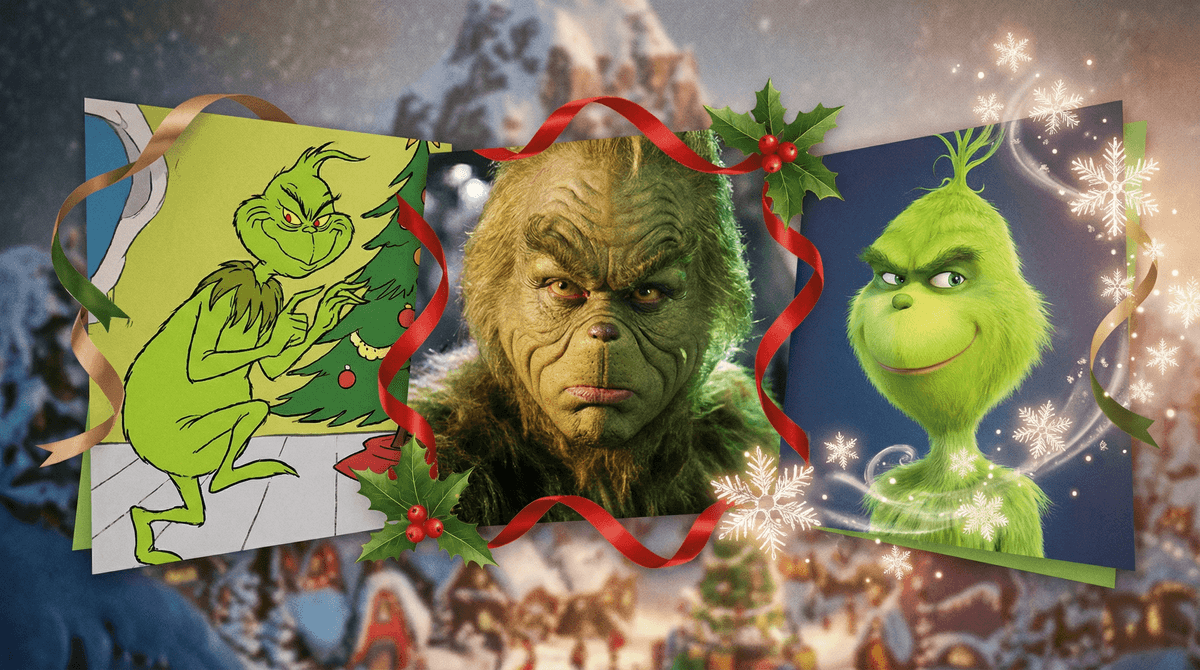
Jones animated the Grinch with the same sneaky elegance he used for Wile E. Coyote, but with genuine malevolence that melts into shock. Watch the scene where Cindy Lou Who confronts him by the Christmas tree: Karloff's gentle, lying voice over the Grinch's tight, calculating eyes is a masterclass in tone control for children's television.
If your family rotates through holiday movies every December, put this on before the two-hour studio spectacles. It shows kids that the best stories are usually the ones told with the fewest wasted parts.