

Let's start with the basics: microtransactions are those little purchases inside games—extra lives, special skins, battle passes, loot boxes, or that premium currency that somehow never quite adds up to what you actually need. They're designed to be "micro" but they add up fast.
Here's the thing: about 55% of families in your community are dealing with gaming in some form, and if your kid is playing on a console (also 55% of families), chances are they've already asked you about V-Bucks, Robux, or some other digital currency that costs very real money.
The problem isn't just the money—though that $4.99 here and $9.99 there can absolutely drain your bank account . It's that these games are literally designed by behavioral psychologists to make kids (and adults) feel like they need to spend to keep up, to look cool, or to even compete fairly. It's pay-to-win culture, and it's exhausting.
Microtransactions teach kids some pretty questionable lessons about value, patience, and fairness. When a game constantly dangles better gear or cooler cosmetics in front of them—just one purchase away!—it creates a cycle of desire and disappointment. Kids start measuring their gaming experience by what they don't have rather than what they're actually playing.
And let's be real: the average kid in your community is spending about 4.2 hours a day on screens. If a chunk of that time is in games designed to make them feel inadequate without spending money, that's a lot of psychological manipulation packed into their day.
Games without microtransactions offer something radical: the full experience, upfront. You pay once (or sometimes not at all), and you get the whole game. No artificial barriers. No FOMO. No "sorry honey, you already spent your allowance on digital dance moves."
Here's the good news: there are genuinely fantastic games that don't nickel-and-dime you. These aren't boring educational games your kids will tolerate—these are engaging, well-designed experiences they'll actually want to play.
For Younger Kids (Ages 6-10)
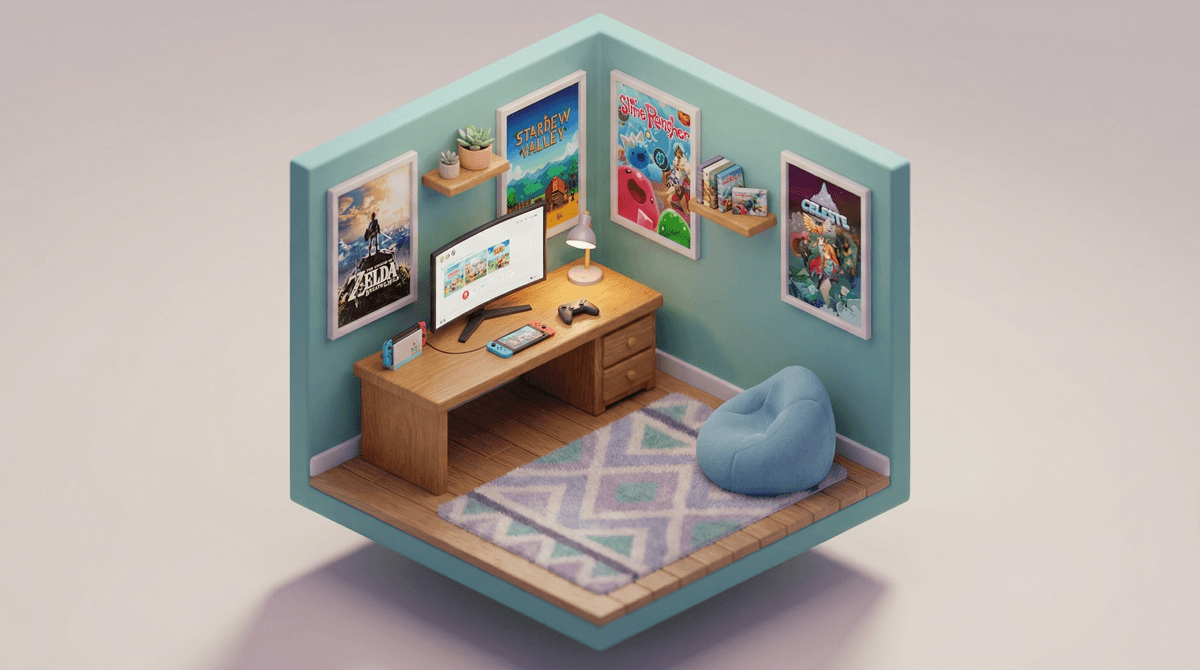
Stardew Valley - One purchase, infinite farming, fishing, and community-building. It's chill, creative, and teaches resource management without any purchase prompts. Ages 8+.
Minecraft Java Edition - Yes, there's a Bedrock version with a marketplace, but Java Edition is a one-time purchase with no built-in store. All the creativity, none of the upselling. Ages 7+.
Terraria - Think of it as 2D Minecraft with more combat and exploration. One purchase, tons of content, regular free updates. Ages 10+.
Slime Rancher - Adorable, engaging, and completely microtransaction-free. Your kid collects and raises slimes on an alien planet. Ages 8+.
For Tweens and Teens (Ages 11+)
Hollow Knight - Challenging but fair, beautiful art style, and all DLC was released for free. Ages 12+.
Celeste - A platformer about climbing a mountain that doubles as a surprisingly thoughtful story about anxiety and perseverance. Ages 10+.
The Legend of Zelda: Breath of the Wild - If you have a Switch, this is the gold standard for complete, expansive gaming experiences. Ages 10+.
Hades - Fast-paced, mythology-based action with genuinely good writing. One purchase, complete experience. Ages 13+.
Slay the Spire - A card-based strategy game that's genuinely addictive in the good way. Ages 12+.
Not all "free" games are created equal. Fortnite, Roblox, and Genshin Impact can be played without spending money, but they're designed to make that really, really hard. The social pressure alone—when all your kid's friends have the new skin—can be intense.
Some games advertise "cosmetic only" purchases, which sounds harmless until you realize your kid's entire social status in the game revolves around those cosmetics. Learn more about how digital goods create real social pressure.
If your kid is already deep in the microtransaction ecosystem, transitioning won't be instant. Here's what actually works:
Frame it as an upgrade, not a punishment. "We're going to try games where you get everything from the start—no waiting, no asking permission to buy stuff, just playing."
Let them choose from a curated list. Give them agency within boundaries. Pick 3-5 games from the list above and let them pick which one to try first.
Set clear expectations about spending. If you're buying a $20-30 game upfront, that's their gaming budget for the month. No add-ons, no exceptions.
Acknowledge the social element. Yes, their friends might still be playing Fortnite. That's okay. They can still play together sometimes, but now they also have games that don't constantly ask for money.
Games without microtransactions aren't just about saving money—though with families averaging 4+ hours of screen time daily, the savings are real. They're about teaching kids that quality entertainment doesn't require constant spending, that they can enjoy something fully without always wanting the next shiny thing, and that game developers can respect players instead of exploiting them.
The games listed above aren't just "good for games without microtransactions"—they're genuinely great games, period. Many are considered some of the best games of the past decade. Your kids aren't missing out; they're actually getting a better gaming experience.
-
Check what your kids are currently playing and how much you've spent on in-game purchases in the last month. The numbers might surprise you
. -
Pick one game from the list above based on your kid's age and interests. Start with just one—don't overwhelm them with options.
-
Set up a "no purchase" rule for one month and see how it goes. Frame it as an experiment, not a permanent ban.
-
Talk to other parents about what games their kids love that don't have microtransactions. You might be surprised how many families are looking for the same thing.
Need help figuring out which game is right for your specific kid? Find age-appropriate games without microtransactions and get personalized recommendations based on your family's preferences.