The YouTube-to-History pipeline
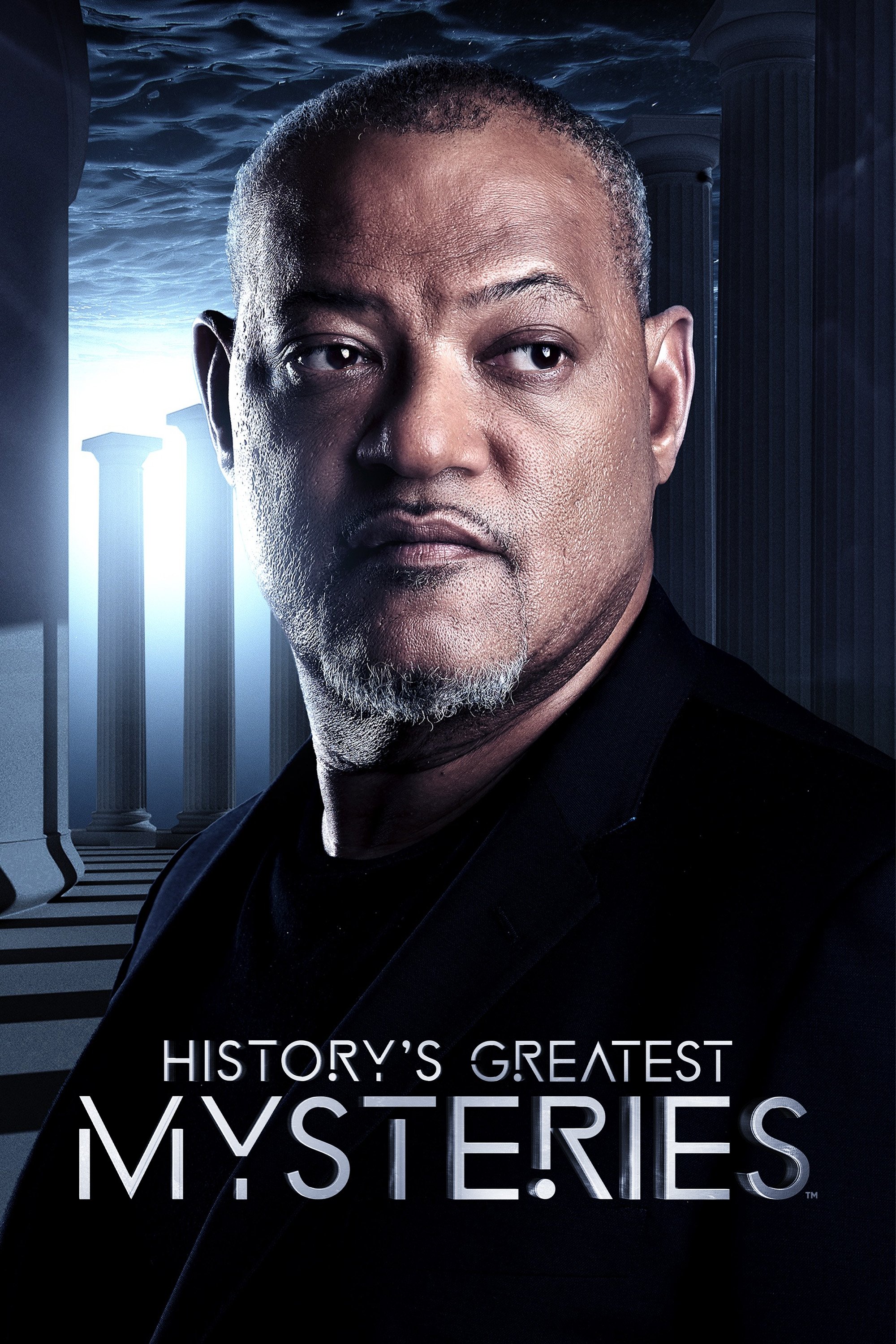
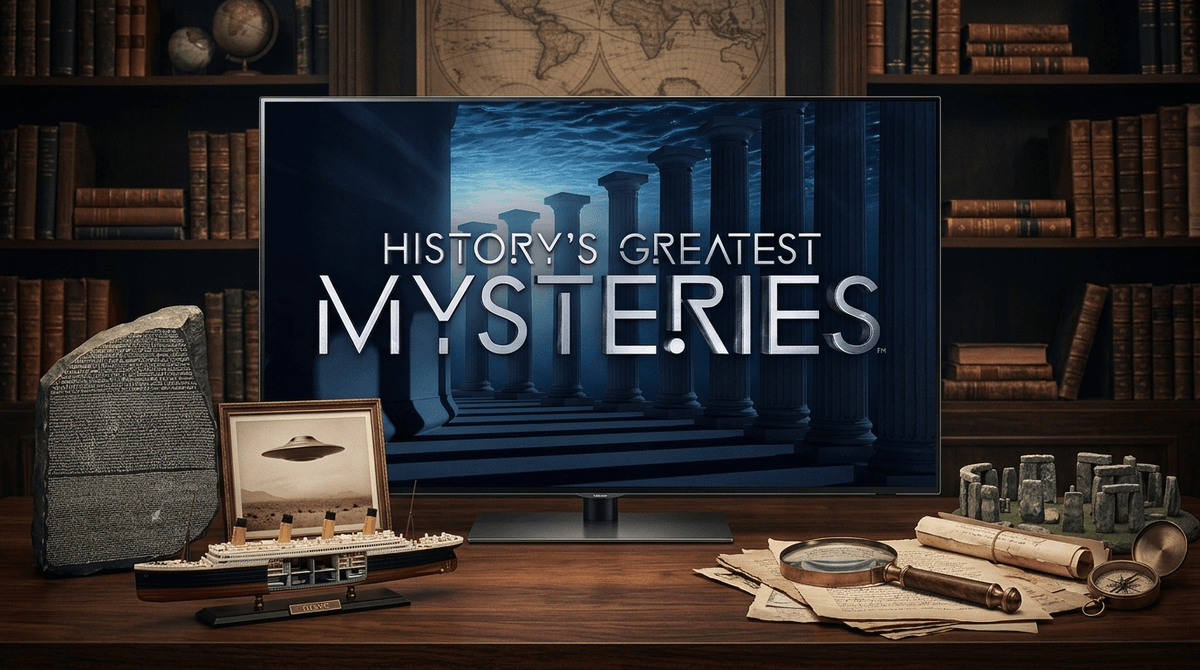
If your teen spends any time on the "high-effort video essay" side of YouTube—watching creators who spend six months researching a single plane disappearance—they’ve already seen the better, faster version of what this show tries to do. History's Greatest Mysteries is essentially the big-budget, traditional media version of a deep-dive thread. It has the advantage of access. While a YouTuber is stuck using Google Earth and public archives, this show gets the History Channel's keys to the kingdom: DNA testing on century-old artifacts, fresh looks at the Titanic, and "never-before-released" government papers.
That access is the only reason to watch it over a snappy 20-minute internet video. The show moves at a deliberate pace. It’s built for a cable TV slot, which means there’s a lot of "coming up next" and "as we saw before the break" energy. If you're watching on Hulu or Disney Plus, that repetition can get grating.
The "Banger" episodes vs. the filler
Don’t treat this as a series to watch from episode one to the end. It’s a buffet. Some topics, like the D.B. Cooper hijacking or the John Wilkes Booth conspiracy theories, have enough meat to sustain the runtime. They feel like tight, investigative procedurals. Others feel like the producers were trying to squeeze blood from a stone because they had a 44-minute hole in the schedule.
The Roswell and Titanic episodes are the safest bets for a Friday night. They lean into the "new evidence" angle hard, which helps move the needle if your kid has already seen a dozen other documentaries on the same subjects. If you aren't sure which ones to queue up first, check out our breakdown of History’s Greatest Mysteries: Is It History Class or Just Creepy? to see which episodes lean into the "nightmare fuel" side of things versus the purely academic.
Why the IMDb 7.0 is actually a good sign
In the world of documentary television, a 7.0 usually means the show is competent without being provocative. It isn’t trying to be Tiger King or a sensationalist "ancient aliens" clickbait fest. It stays in its lane. For a parent, that’s actually a relief. You don't have to worry about the show making wild, irresponsible claims just to get a reaction.
It models a specific kind of skepticism. The experts on screen aren't just shouting theories; they’re looking at diaries and lab results. It’s a great "background" show—something to have on while you’re doing something else, or a way to kill an hour with a teen who is suddenly obsessed with the Lincoln assassination but has a low tolerance for dry textbooks. It’s not going to change their life, but it won’t rot their brain either.