The Graphic Novel Gateway
If you’re trying to raise a reader in the age of screens, the Hilda series is one of the most effective tools in the kit. It’s a graphic novel, which some old-school perspectives still dismiss as "lite" reading, but for a kid who finds a wall of text intimidating, Luke Pearson’s layout is a masterclass in visual storytelling.
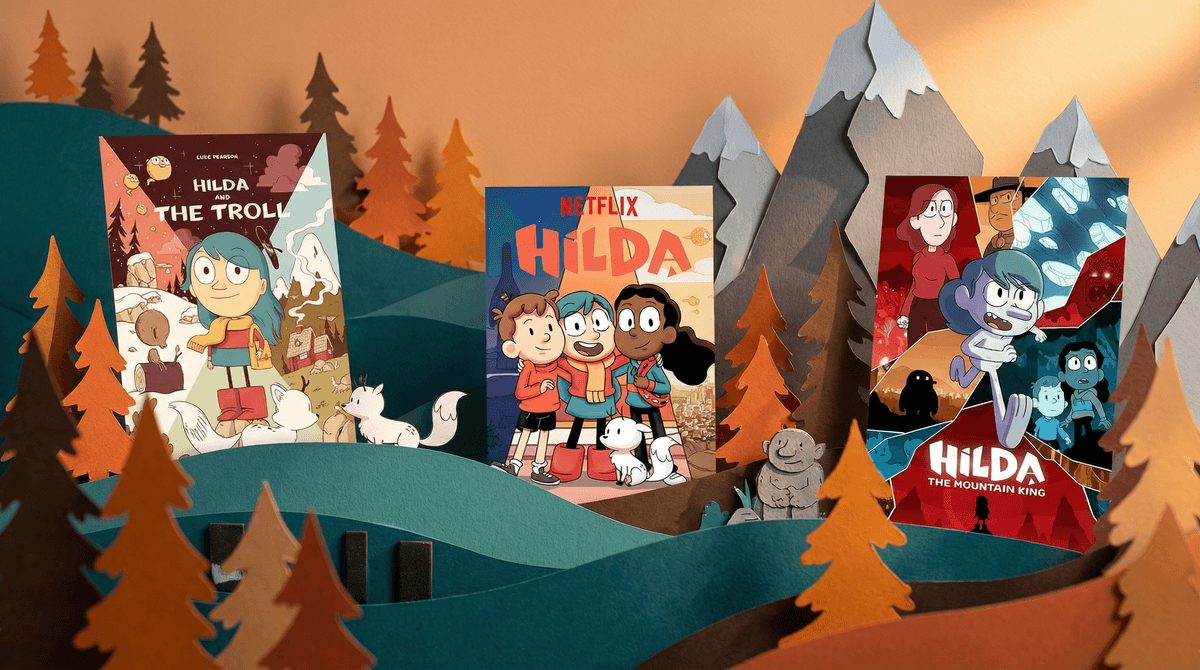
The books use a specific palette—lots of autumnal oranges, deep blues, and muted greens—that makes the reading experience feel atmospheric rather than frantic. It’s the opposite of the "loud" energy you get from many modern kids' comics. If you have a child who struggles to sit still with a standard chapter book, how comics helped my kid finally love reading is a real phenomenon here. They get the dopamine hit of finishing a "real book" while actually absorbing complex world-building and character growth.
Books vs. Screen: Controlling the Spookiness
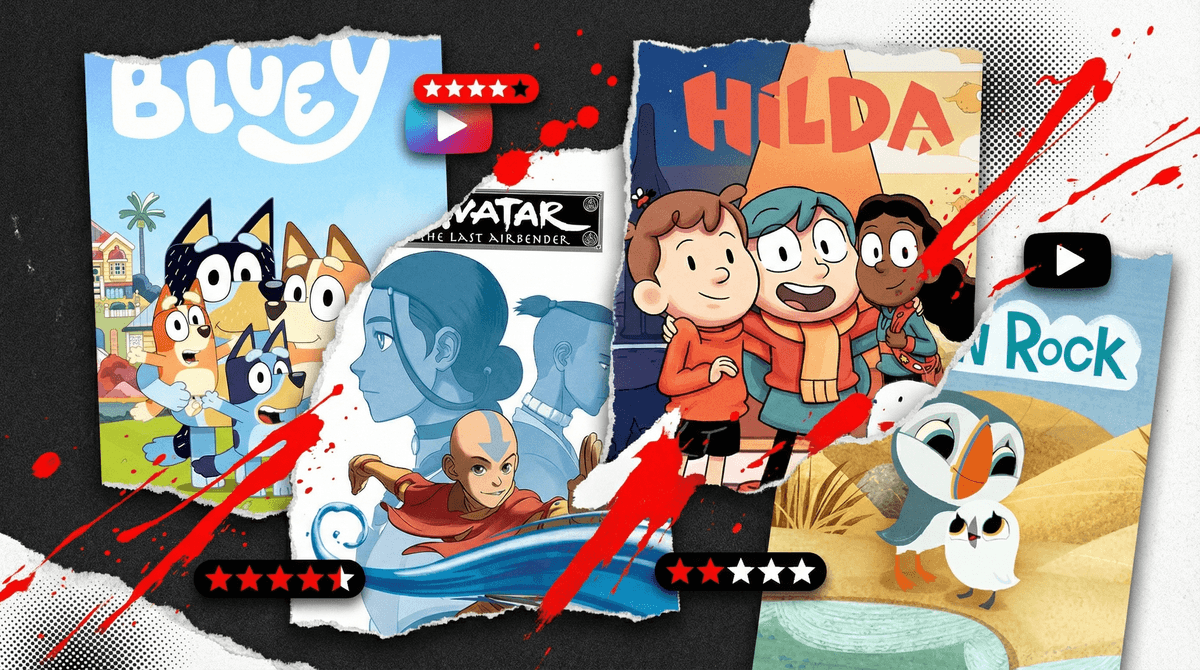
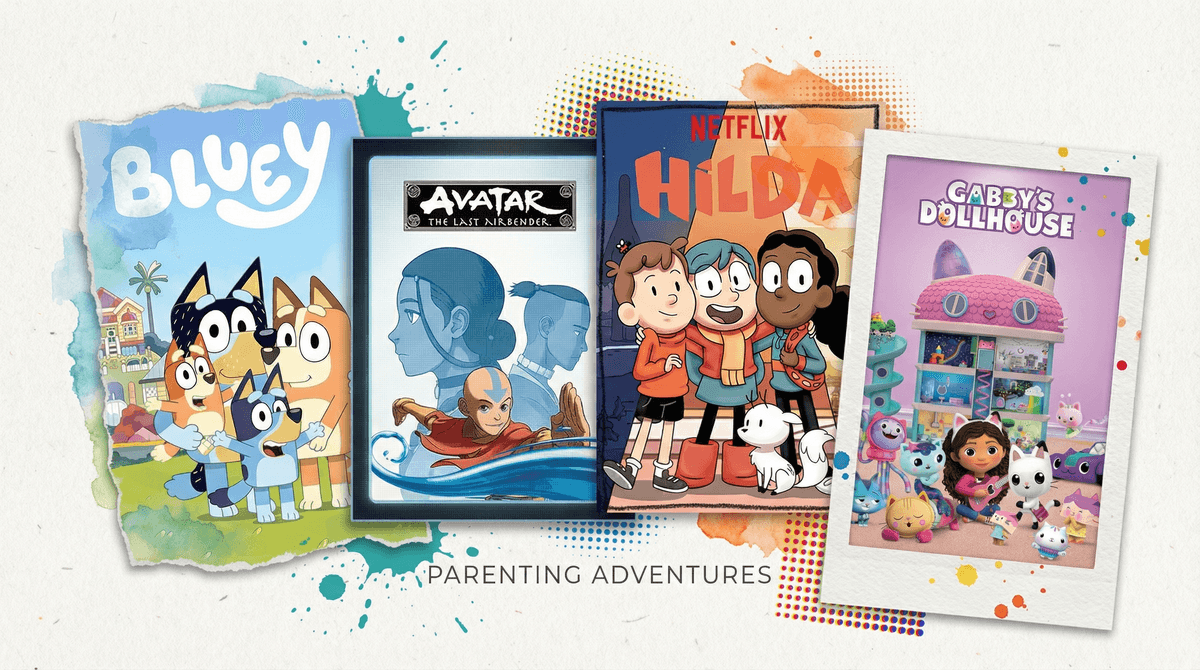
You might see reviews from parents claiming Hilda is too distressing or violent. Usually, those parents are reacting to the Netflix adaptation. While the show is fantastic, the screen version adds kinetic energy and a soaring soundtrack that can amplify the "scary" factor for sensitive five- or six-year-olds.
The books are different because the child controls the pace. If the Midnight Giant feels a bit too ominous, they can linger on a funny background detail or close the book for a minute. The stakes are real—Hilda’s house gets tiny-rock-pelted and she encounters literal trolls—but the resolution almost always comes through negotiation and empathy rather than a "boss fight." It’s a great pick for kids who want the "cool" factor of a fantasy adventure without the nightmare-fuel of more aggressive series. You can check out our breakdown of the Hilda age rating for the show to see how the two mediums differ in intensity.
A Break from the "Gross-Out" Era
We are currently living through a golden age of potty humor in middle-grade fiction. While there’s a time and place for underwear jokes, Hilda offers a refreshing pivot toward something more whimsical.
It’s rare to find books without potty humor that still feel modern and "cool" to a seven-year-old. Hilda herself is a great protagonist because she isn't a "chosen one" with a grand destiny; she’s just a kid who is pathologically curious. She makes mistakes, gets stubborn, and has to apologize to her mom. That grounded emotional core makes the giant invisible elves and bird parades feel more believable.
How to Work Through the Series
The six-book run has a definitive arc. While you can read them as standalone adventures, the transition from The Stone Forest to The Mountain King is a genuine emotional payoff that rewards kids for sticking with the series.
If your kid is transitioning out of picture books, these are the ultimate transitional chapter books. They bridge the gap between "looking at pictures" and "following a long-form narrative."
Pro tip: Don't just hand these over and walk away. The art is detailed enough that you’ll actually enjoy reading them together. There are hidden details in the backgrounds of the Troll and the Bird Parade that even observant kids might miss on the first pass. It’s the kind of series that earns its 4.8-star rating by being just as interesting for the parent as it is for the kid.