Why a 2004 shooter still holds up in 2026
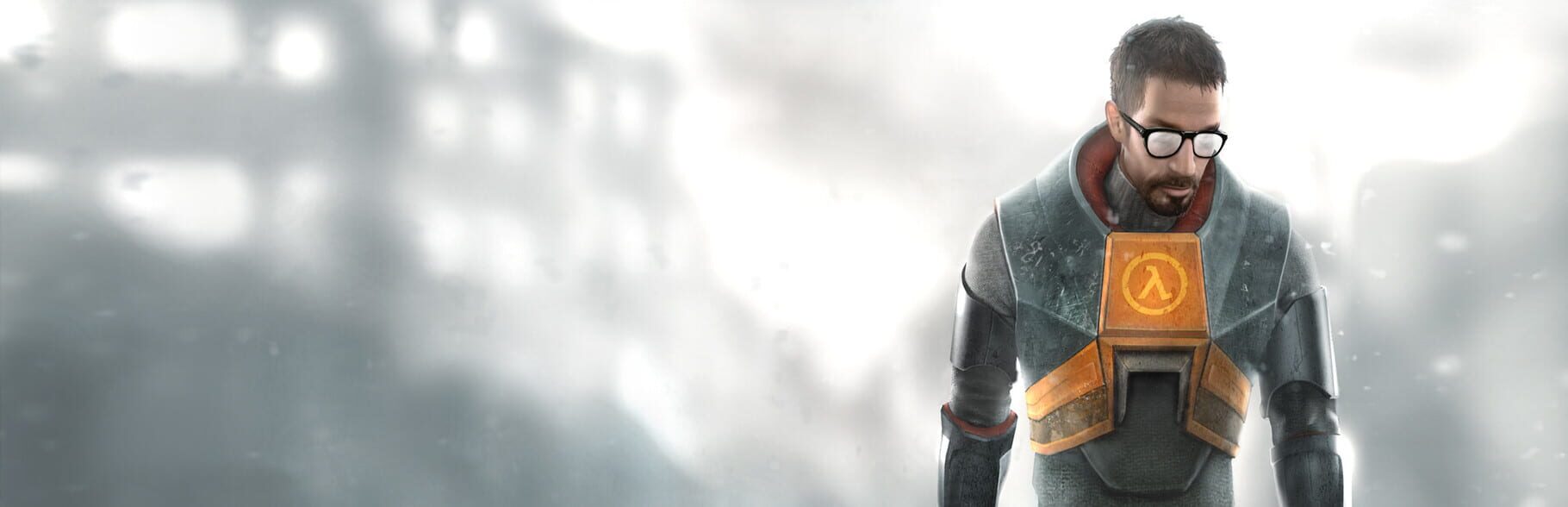
Going back to twenty-year-old 3D games is usually rough on modern kids. The controls feel sluggish, the textures look like mud, and the pacing drags. Half-Life 2 dodges almost all of that because Valve built the whole game around a physics engine that still feels tactile and immediate.
When you shoot a wooden crate, it splinters at the exact point of impact, and the heavy object sitting on top of it tumbles down realistically. That sounds normal now, but Half-Life 2 actually builds its gameplay around it. You aren't just walking down hallways clicking on heads; you're pulling cinderblocks off a seesaw ramp, tossing a grenade under a sniper's window, or ripping a buzzsaw out of a wall to clear a room when your shotgun clicks empty.
Wait to buy it directly on Steam, where Valve's 20th-anniversary update bundled the base game alongside both follow-up expansions (Episode One and Episode Two) into a single seamless menu, complete with modern controller support and fixed widescreen displays.
The pacing masterclass
What keeps kids (and adults) glued to the screen isn't an XP bar ticking up—it's how the game reinvents itself every two hours:
- City 17: You start unarmed in a bleak Eastern European police state, getting chased across apartment rooftops before you ever fire a weapon.
- The Gravity Gun & Ravenholm: Just as combat starts feeling routine, the game hands you the Zero Point Energy Field Manipulator (the Gravity Gun) and traps you in a zombie-infested mining town with almost no bullets, forcing you to fight entirely with physics objects like propane tanks and sawblades.
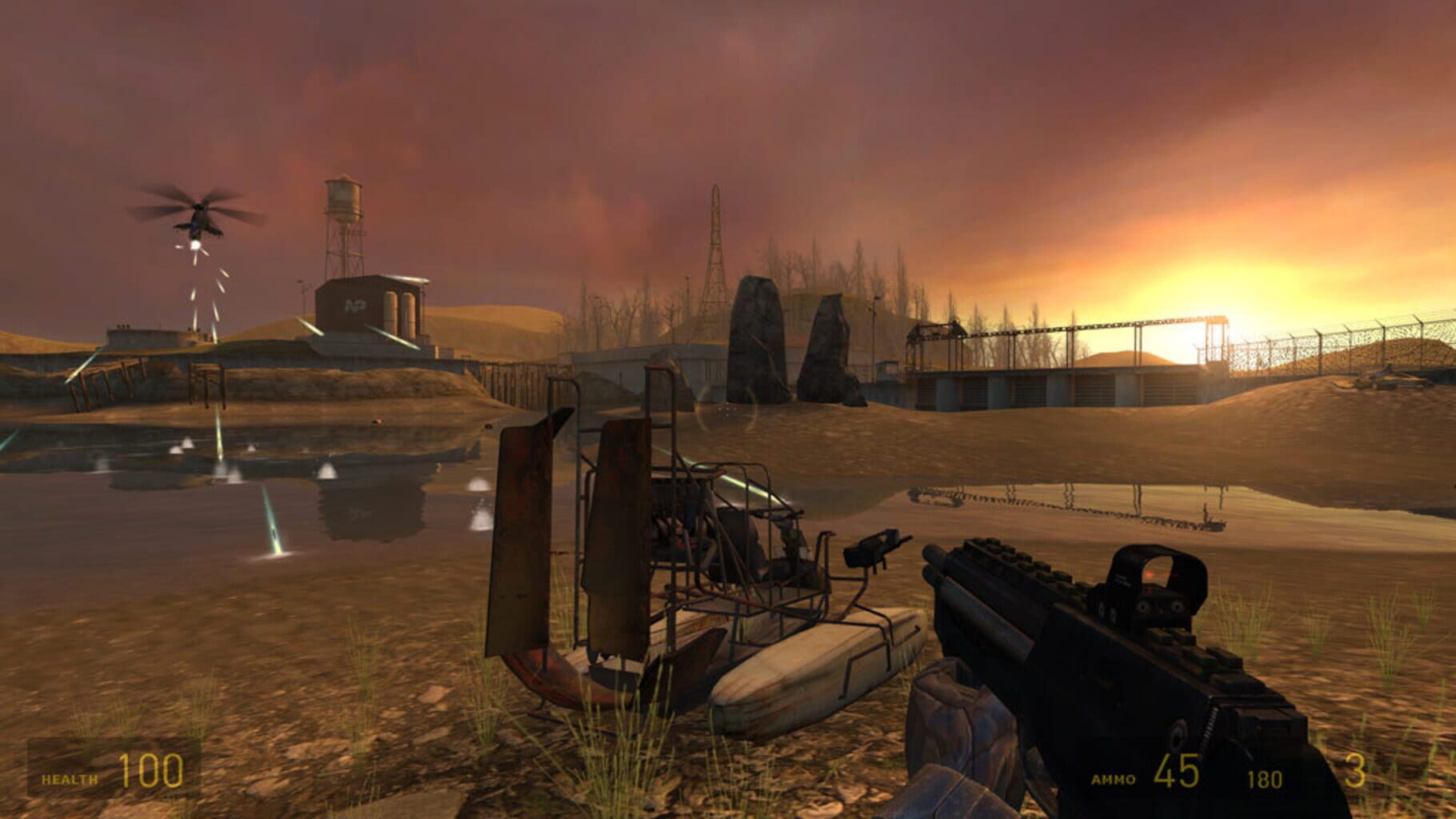
- Highway 17 & Sandtraps: You break out into the daylight for a coastal road trip, followed by a stretch where the ground is literally lava—step on the sand and giant insectoid Antlions swarm you, meaning you have to build bridges out of junk doors and pallets to cross the beach.
If they love this, what's next?
If the puzzle-solving and environmental storytelling click for your kid, the immediate follow-ups are Portal and Portal 2. They take place in the exact same universe, run on the same engine, and ditch the zombies and gore in favor of brilliant, hilarious spatial puzzles.
One huge heads-up if your kid plays all the way through Episode Two: it ends on the most notorious unresolved cliffhanger in video game history (unless your family happens to own a PC VR headset to play Half-Life: Alyx). Prepare them in advance so they don't lose their minds when the credits roll.