The "Former Child Star" pivot
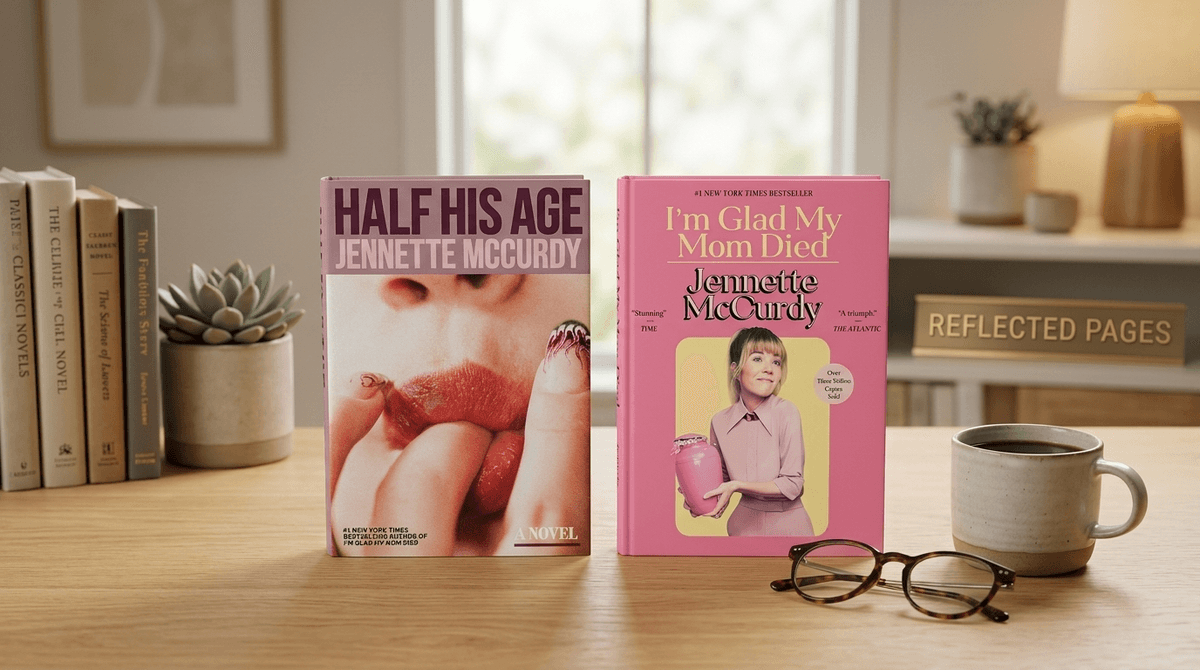
Jennette McCurdy is no longer just the person who wrote that memoir everyone had on their nightstand a few years ago. With Half His Age, she has cemented herself as a writer who specializes in the unpleasant. If you followed her career from her sitcom days to her #1 New York Times bestseller, you might expect a certain level of snark. You get that here, but it’s wrapped in a story that is intentionally suffocating.
Critics at Elle and NPR have been quick to praise her "narrative command," but don't mistake that for a "polished" reading experience. This book is designed to make you squirm. It is a brutal transition into the world of adult contemporary fiction.
Why the YA label is a trap
Waldo is 17, which is the traditional age for a Young Adult protagonist. However, this book is firmly "Adult Contemporary Fiction" for a reason. It doesn't just "mention" dark themes; it lives in them. The "thorny examination of power" that the Los Angeles Times mentioned isn't a metaphor. It’s a play-by-play of how a teenager’s need to be noticed can be weaponized by a mediocre adult.
If your teen sees this trending and wants to pick it up because they liked her memoir, you should probably know that Jennette McCurdy’s ‘Half His Age’ is Not for Your Teen. The level of graphic detail and the lack of a "safe" moral ending makes this a heavy lift even for most adults.
Not your typical forbidden romance
Fiction often treats the teacher-student dynamic with a certain aesthetic: dark academia, rainy windows, and "tortured" souls. McCurdy strips all of that away. Mr. Korgy is described with a "growing paunch" and "dead dreams." He isn't a prize; he’s a warning.
The book works because it captures the "ravenous" nature of being seventeen—that feeling that you are the first person to ever feel this lonely or this misunderstood. Waldo isn't a perfect victim; she's "blunt," "impulsive," and "angry." This makes the grooming process even more sinister because the reader can see exactly how her best qualities are being turned against her.
If you’re deciding whether to buy it
Think of this as a companion piece to the conversations we’ve been having about power dynamics in the media. It’s a book for the parent to read and then decide how to discuss these themes with their older teenagers later. It currently holds a 3.9 on Amazon, not because the writing is subpar, but because it’s a polarizing experience. It refuses to give the reader an easy way out or a "happily ever after," and for a lot of readers, that’s a hard pill to swallow. If you want a story that challenges you and leaves you feeling a bit haunted, this is it. If you want a fun school-crush story, stay far away.