The Peak of 2000s Provocation
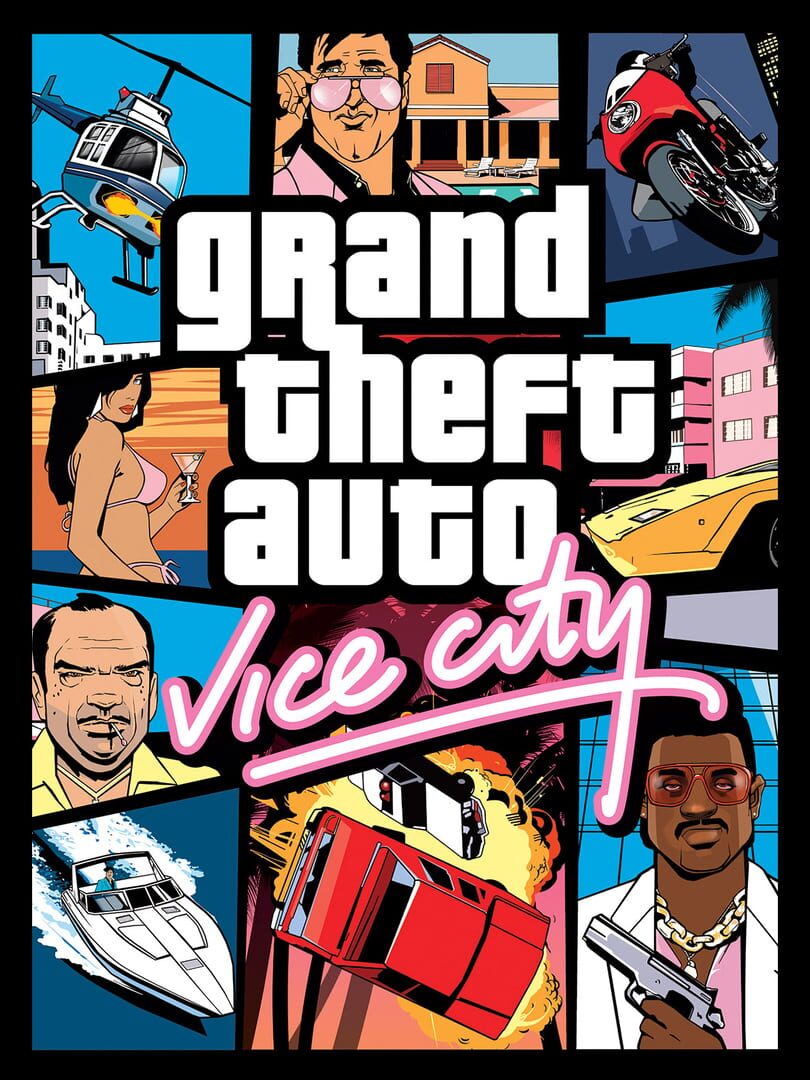
When Rockstar dropped Grand Theft Auto: Vice City in late 2002, it was the exact game every cable news anchor warned parents about. It had Ray Liotta voicing a mobster in an oversized teal suit, a chainsaw you could buy at the local hardware store, and a radio dial packed with Michael Jackson, Hall & Oates, and Iron Maiden.
Two decades later, the shock value has faded into classic video game history. Seen with modern eyes, the blocky character models and exaggerated ragdoll physics read almost like a cartoon gangster operetta. The satire targets 1980s American consumerism, commercial radio, and Hollywood excess with real bite.
The Playability Reality Check
If a kid who grew up on Fortnite or GTA V boots up original Vice City, they will likely face immediate frustration. The shooting mechanics rely on a clumsy lock-on system. Tommy Vercetti drowns the instant his ankles touch water. Failing a mission often means driving all the way back across the map to restart it from scratch.
The game still works best as a vintage mood piece. Cruising Ocean Drive at sunset on a PCJ-600 motorcycle with the synth-pop blasting remains peerless. But as a moment-to-moment shooter, it definitely shows its twenty-year-old bones.
How to Think About the Content
For an older teen who already watches R-rated crime cinema like Goodfellas or Scarface, Vice City sits comfortably in the same neighborhood. Tommy is not an aspirational hero, and the game never pretends he is one. If you decide to let an older teen dive in, treat it as a conversation about campy crime satire and how video game design evolved from early 3D sandboxes into what we see today.