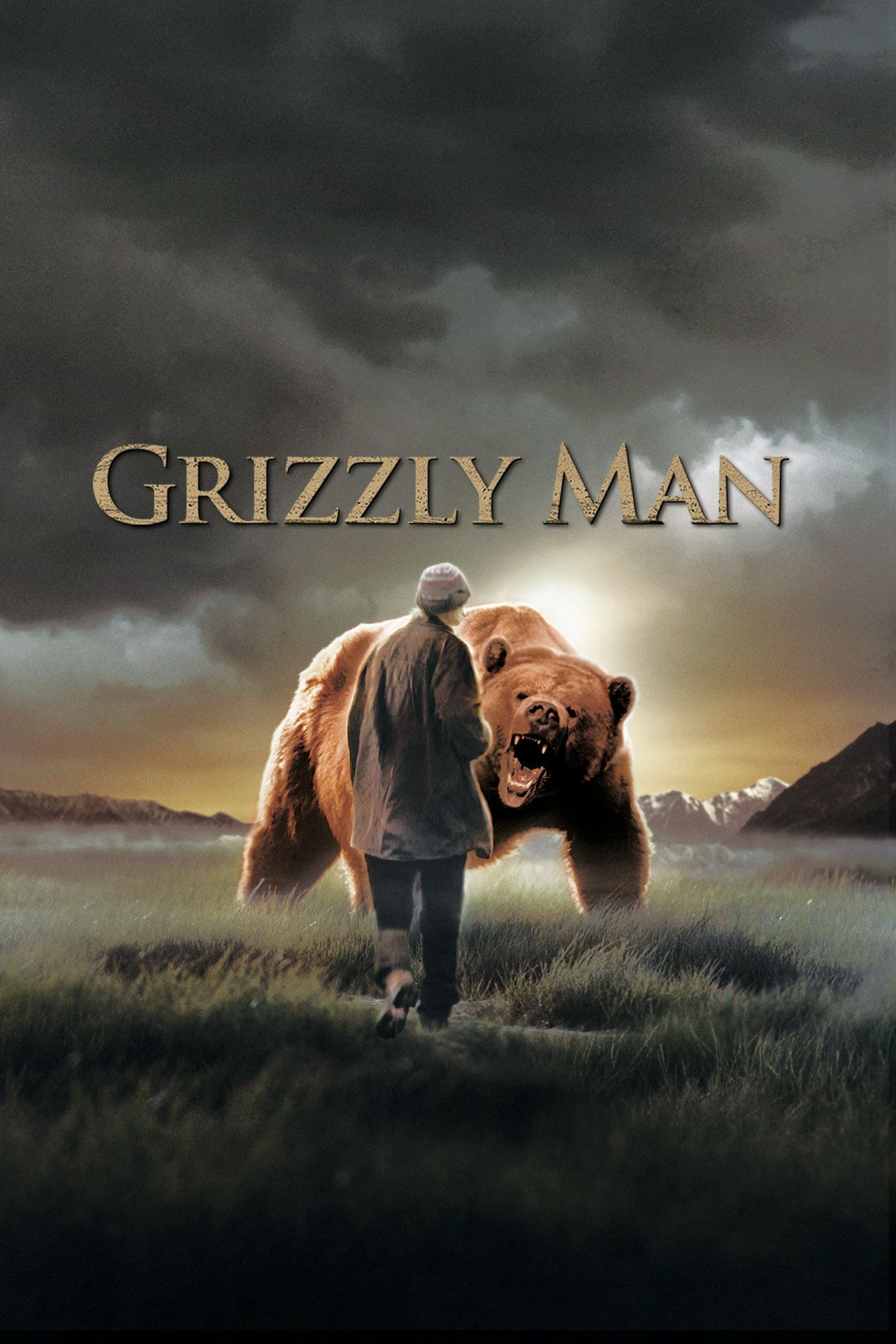
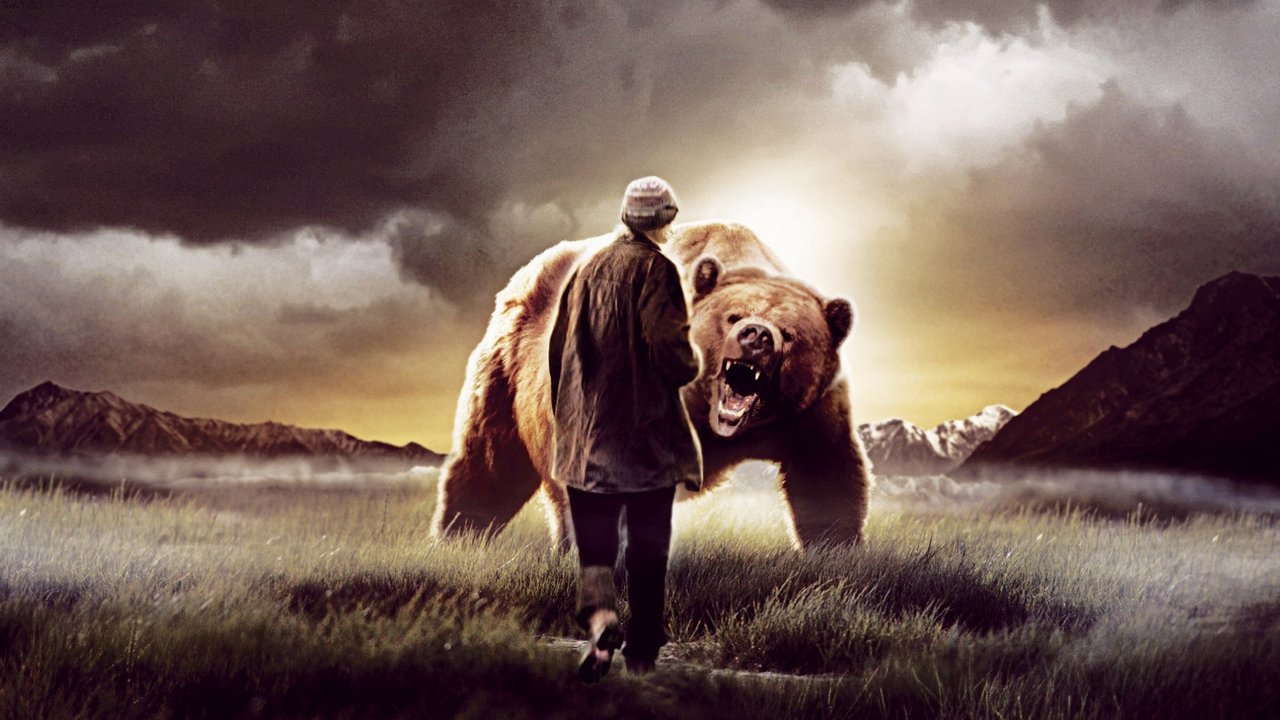
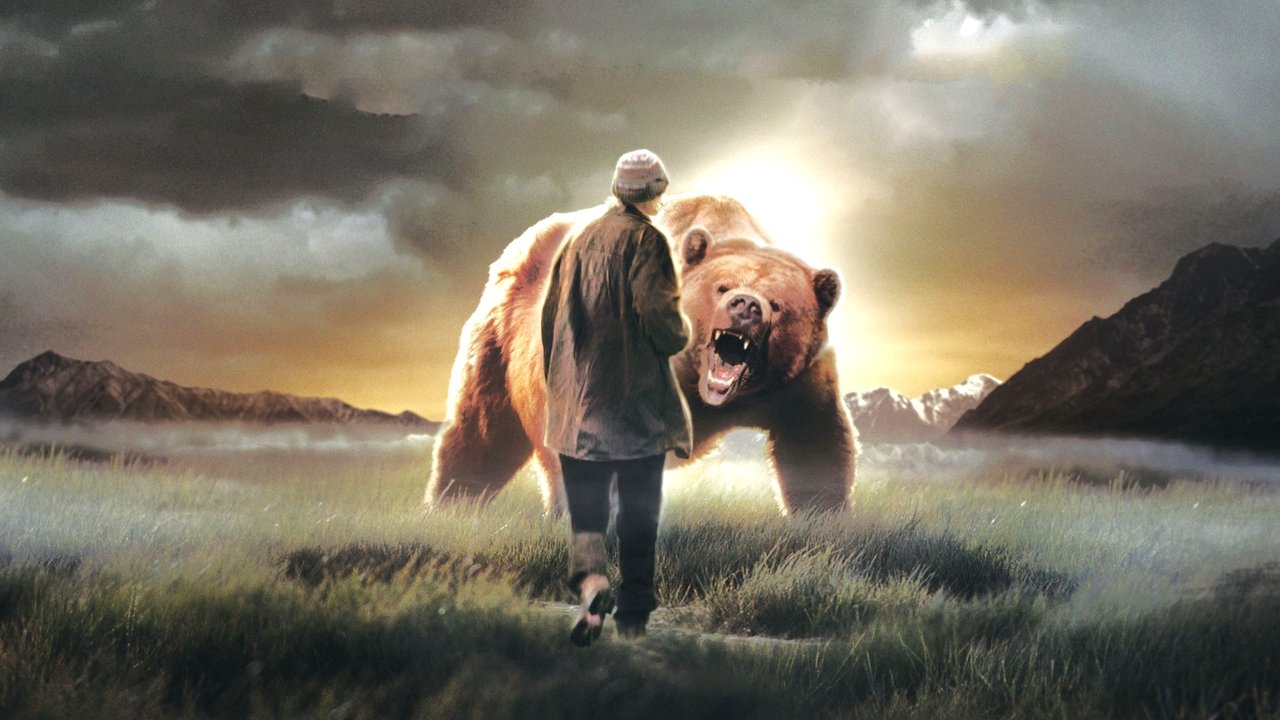
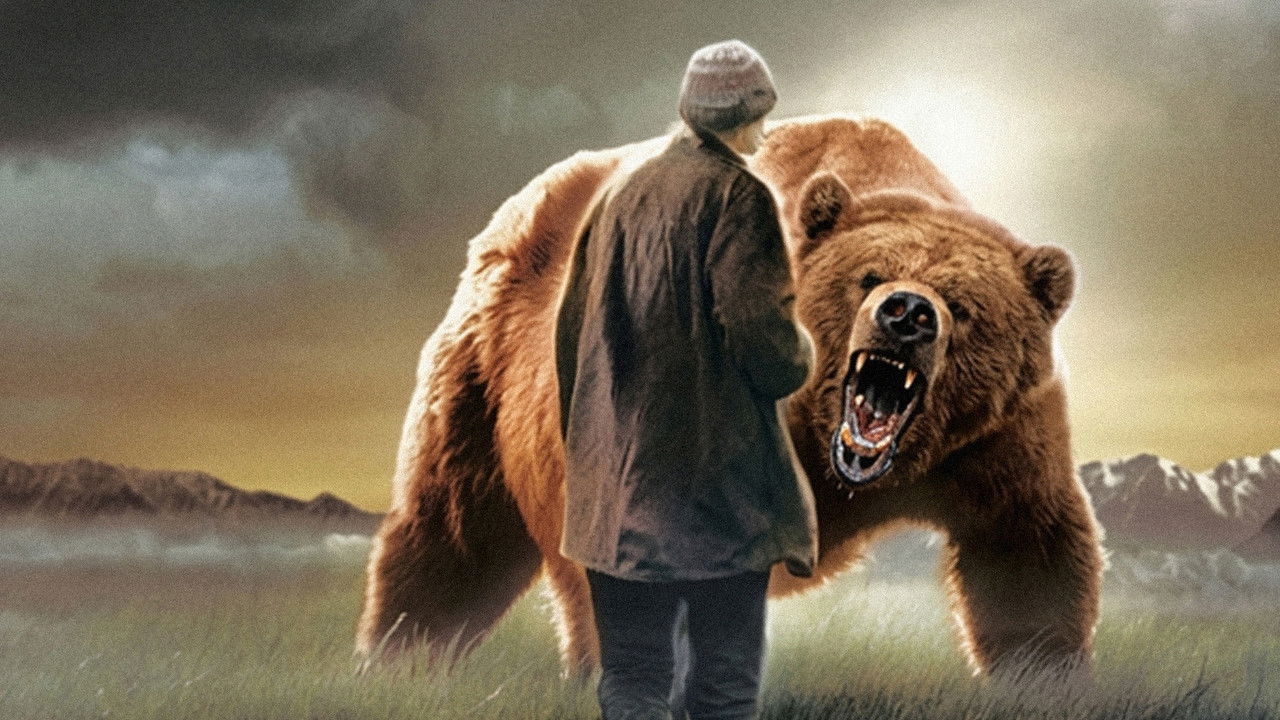
The Anti-Disney Nature Documentary
Most wildlife docs follow a familiar rhythm: sweeping drone shots, soothing narration, and subtle anthropomorphism where we root for the cute animal family to survive the winter. Grizzly Man tears that formula apart.
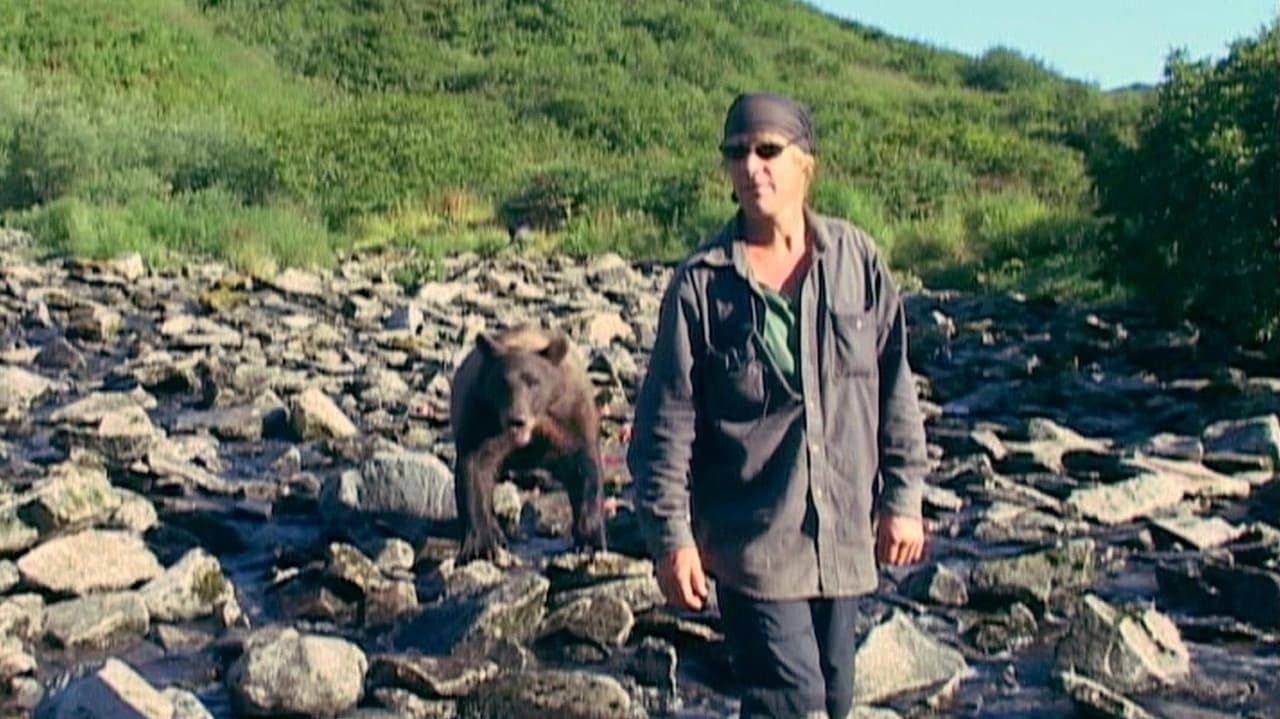
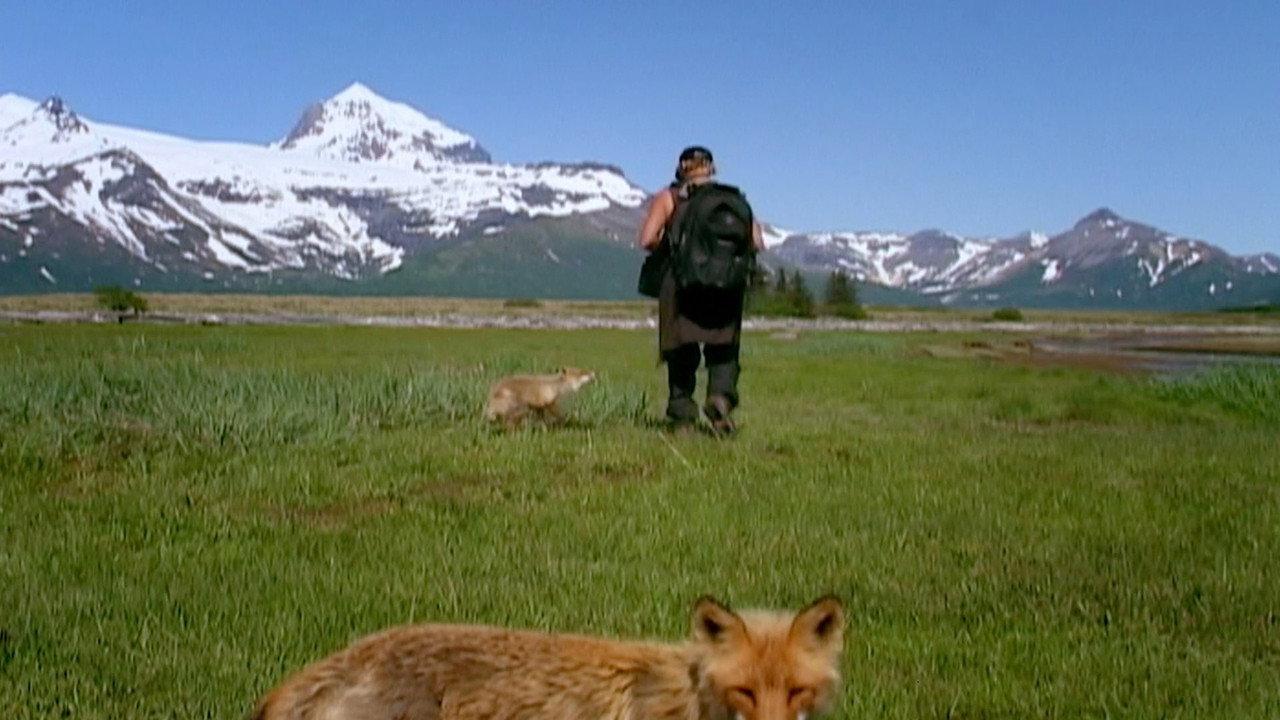
Timothy Treadwell went into the Alaskan bush with a camera and a desperate need to matter. Sober after years of alcohol and drug abuse, he reinvented himself as the sole protector of Katmai's grizzlies—bears that, as the film gently points out, were already inside a protected national park. He named the bears (Mr. Chocolate, Sergeant Brown), touched them, sang to them, and adopted a family of wild foxes that trotted around his tent.
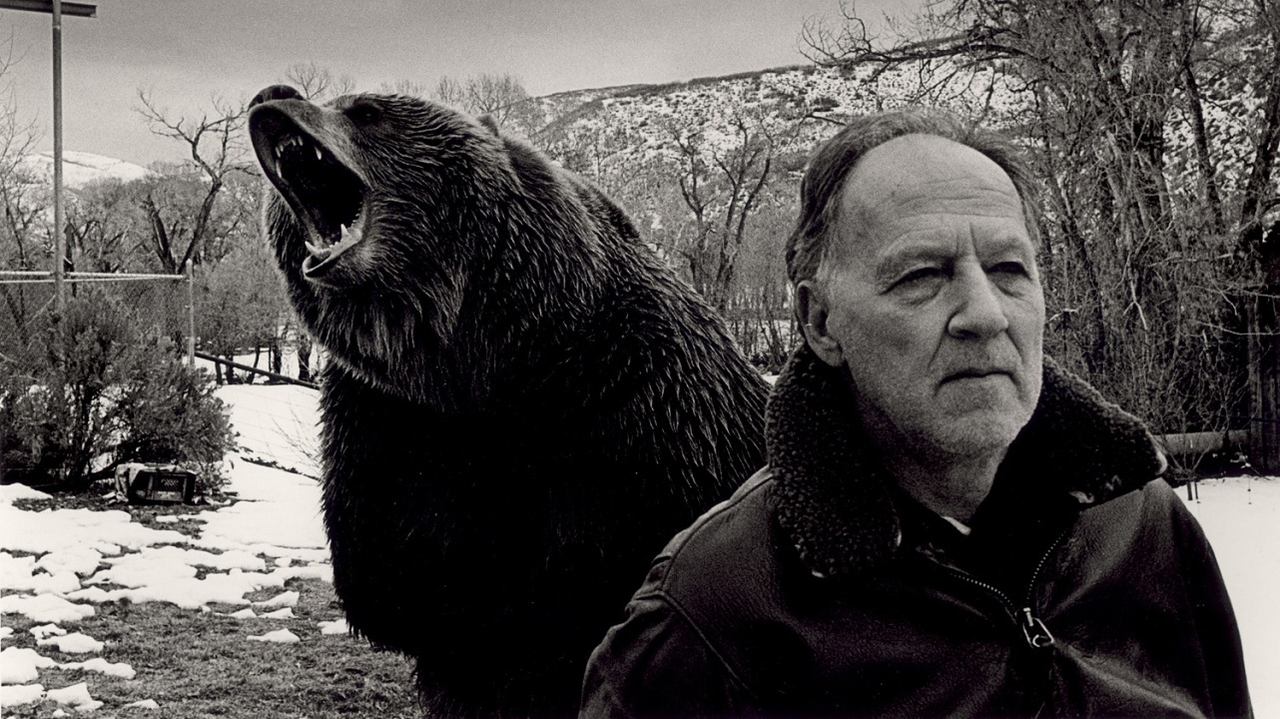
Herzog steps in as both narrator and philosophical foil. Where Treadwell sees love and spiritual connection in the bears' eyes, Herzog states in his unmistakable German cadence that he sees only "the overwhelming indifference of nature" and a blank stare waiting for food.
How It Handles the Ending
Parents usually want to know how graphic the ending gets, since everyone goes into the movie knowing how Treadwell's story finishes. There is zero onscreen gore.
However, the emotional weight is intense. Treadwell's video camera was running inside his tent during the fatal attack with the lens cap on, capturing six minutes of audio. Herzog never plays the recording for the audience. In the film's most famous scene, Herzog sits in the living room of Treadwell's close friend Jewel Palovak, puts on headphones, and listens to the tape himself. Watching his face react—and hearing him tell Palovak she must never listen to it and should destroy it—is far more chilling than any recreations could be. Earlier in the film, the local coroner also gives a theatrical, detailed monologue describing the audio and the grizzly remains found at the campsite.
Why It Resonates in the Creator Era
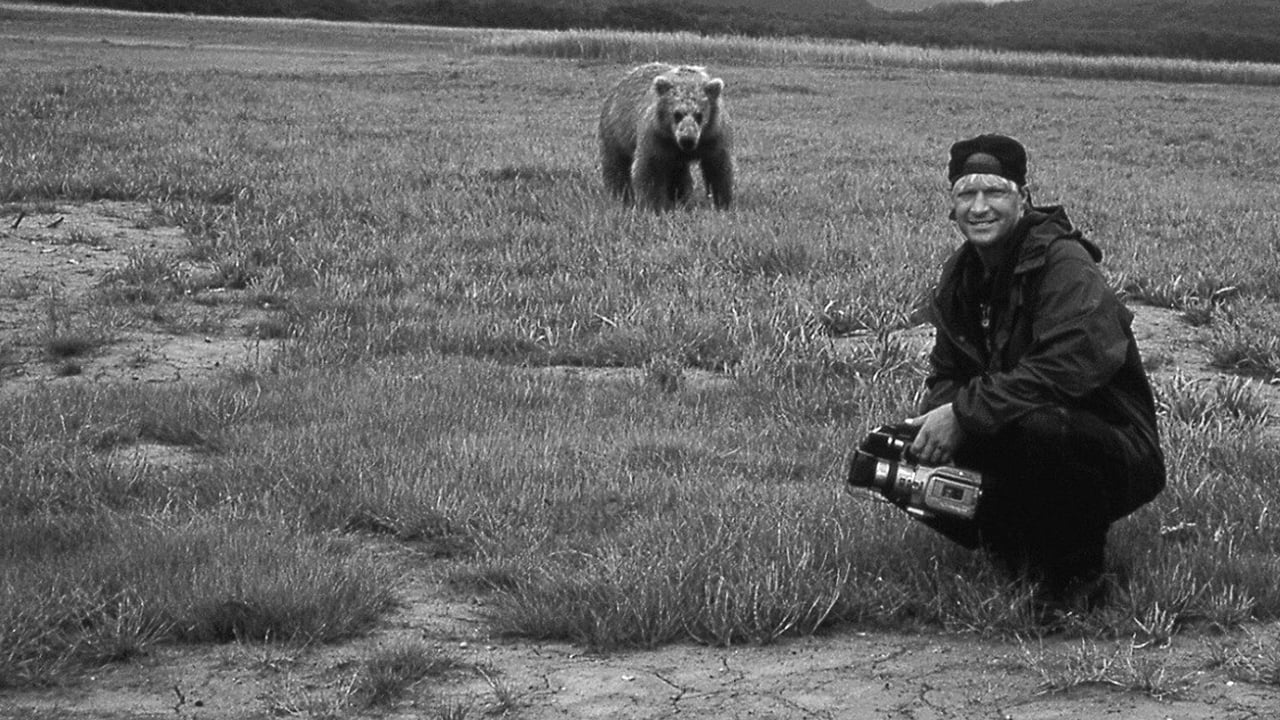
Released in 2005, Grizzly Man accidentally predicted modern solo vlogging. Treadwell was out in the wilderness filming himself, doing multiple takes to adjust his bandana and calibrate his emotional intensity for an unseen audience. Watching it with a teenager opens up a natural conversation about performance, parasocial relationships, and how people use extreme stunts to build an identity on camera.