The sports movie as a history lesson
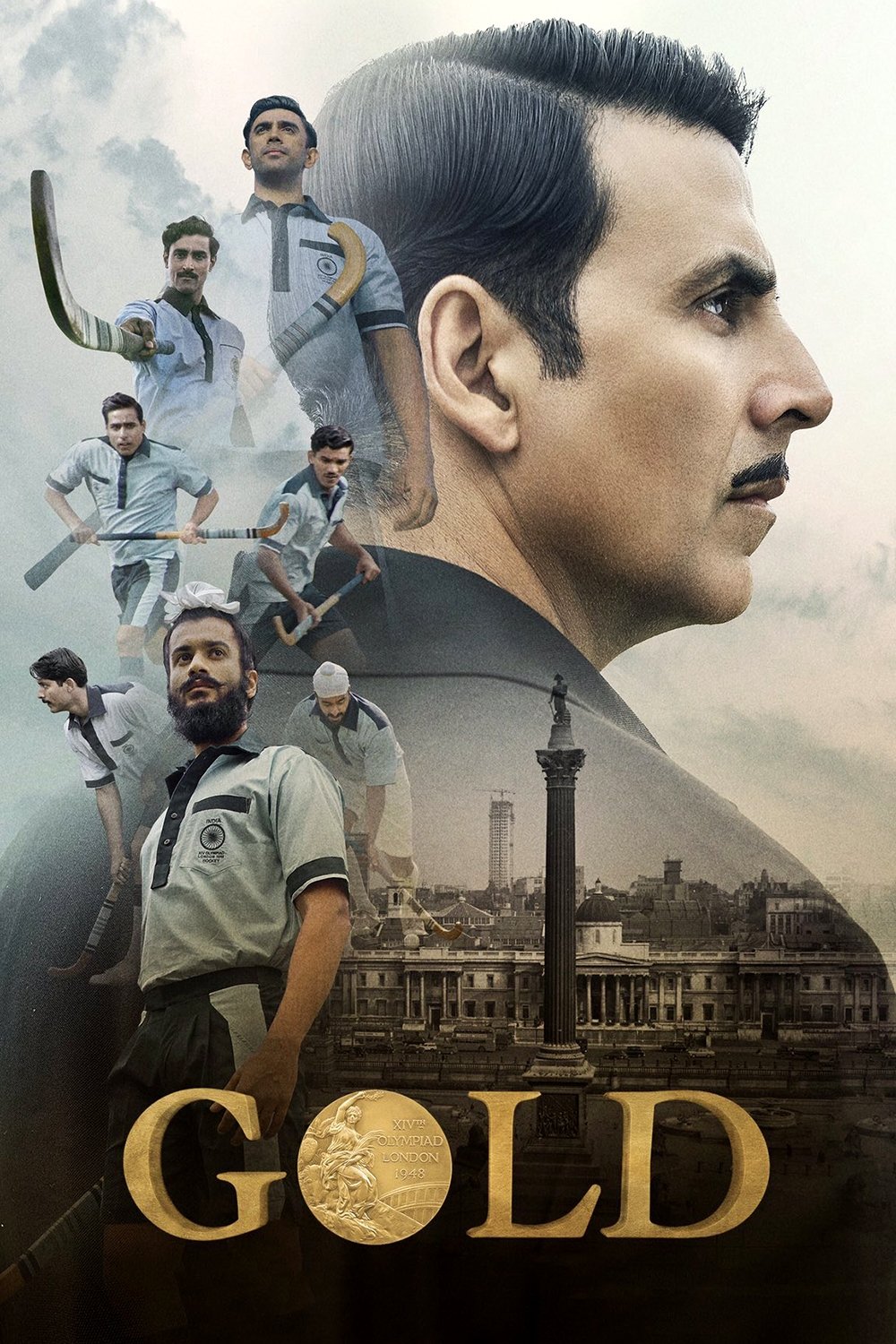
Most Western kids know very little about the 1947 Partition of India or what the immediate aftermath of British colonial rule looked like. Gold sneaks that history in through the locker room. When the film opens at the 1936 Berlin Olympics, the Indian team dominates on the field, yet has to stand under the British Union Jack at the medal ceremony.
The emotional core of the middle act happens off the pitch. Just as Tapan puts together a powerhouse squad after World War II, the country is partitioned into India and Pakistan. Half his star players leave for Pakistan, others are caught in dangerous communal riots, and he has to rebuild from scratch with a fractured roster. It gives the standard "ragtag team learns to play together" montage genuine historical weight.
Fact vs. Bollywood fiction
Director Reema Kagti fictionalizes the characters so the movie doesn't have to stick strictly to biography. Tapan Das is a loose composite inspired by real-life hockey figures like Kishan Lal and manager A.C. Chatterjee, dialed up to ten with Akshay Kumar's movie-star theatrics.
In reality, Indian field hockey was already an absolute juggernaut—they won gold in 1928, 1932, and 1936 without breaking much of a sweat. The movie manufactures extra underdog tension for the final match against Great Britain, including a dramatic decision to play barefoot on a muddy, rain-slicked pitch. If you're watching with a middle or high schooler, looking up the real 1948 team afterward makes for a quick, rewarding rabbit hole.
How it compares to Chak De! India
If you want the undisputed best Indian field hockey movie ever made, put on 2007's Chak De! India starring Shah Rukh Khan—it's tighter, sharper, and less bloated. Gold is broader and a bit cheesier, especially with its cartoonishly snooty British villains, but the 1940s period setting gives it a distinct hook of its own.