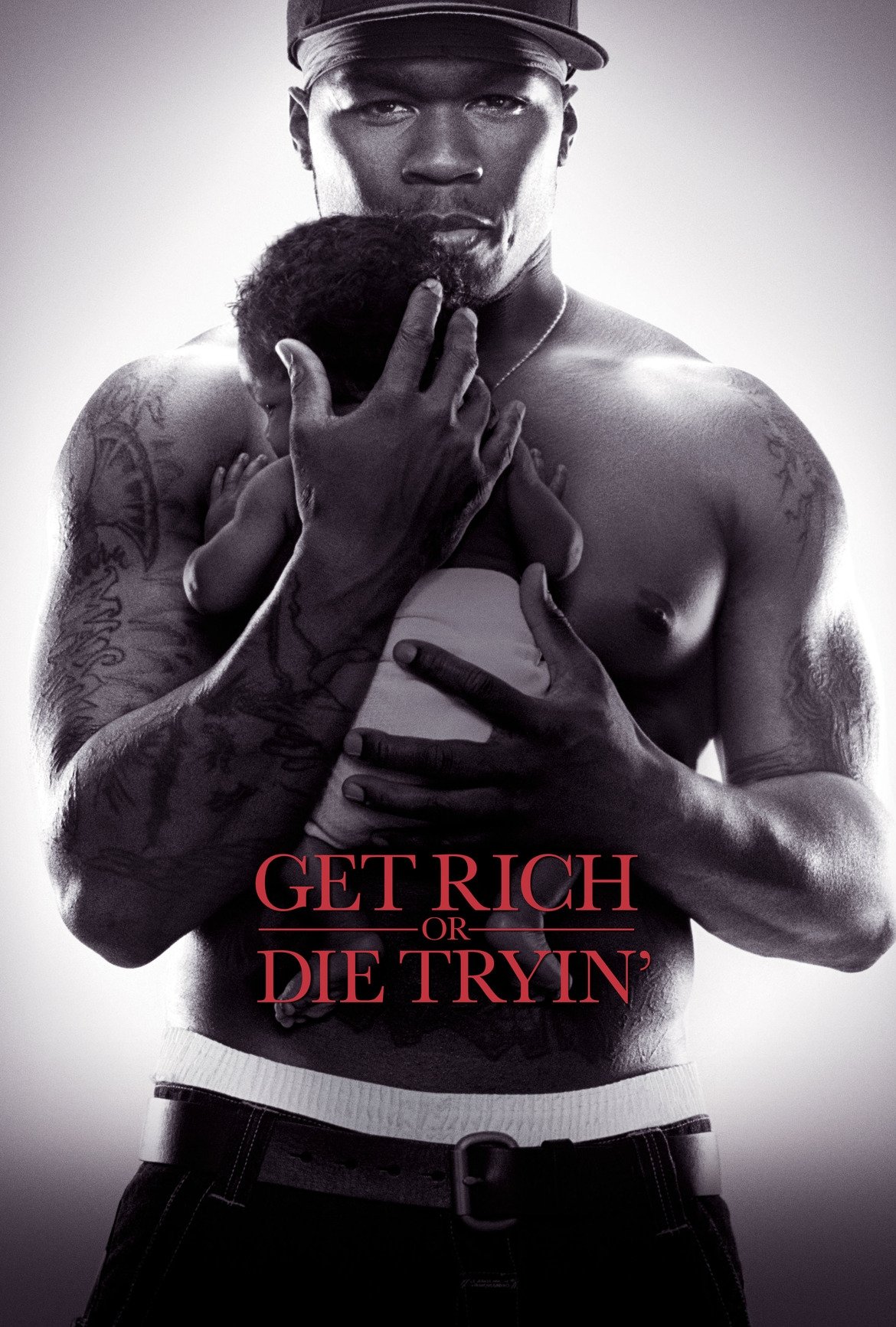
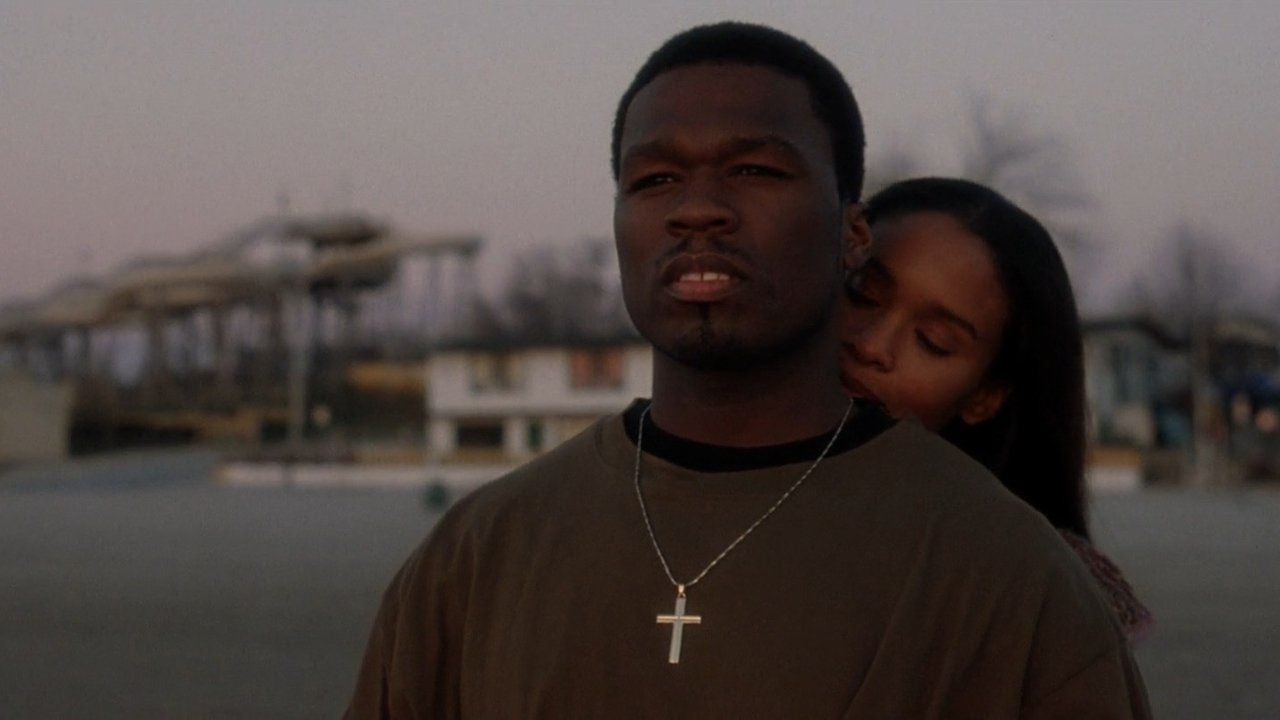
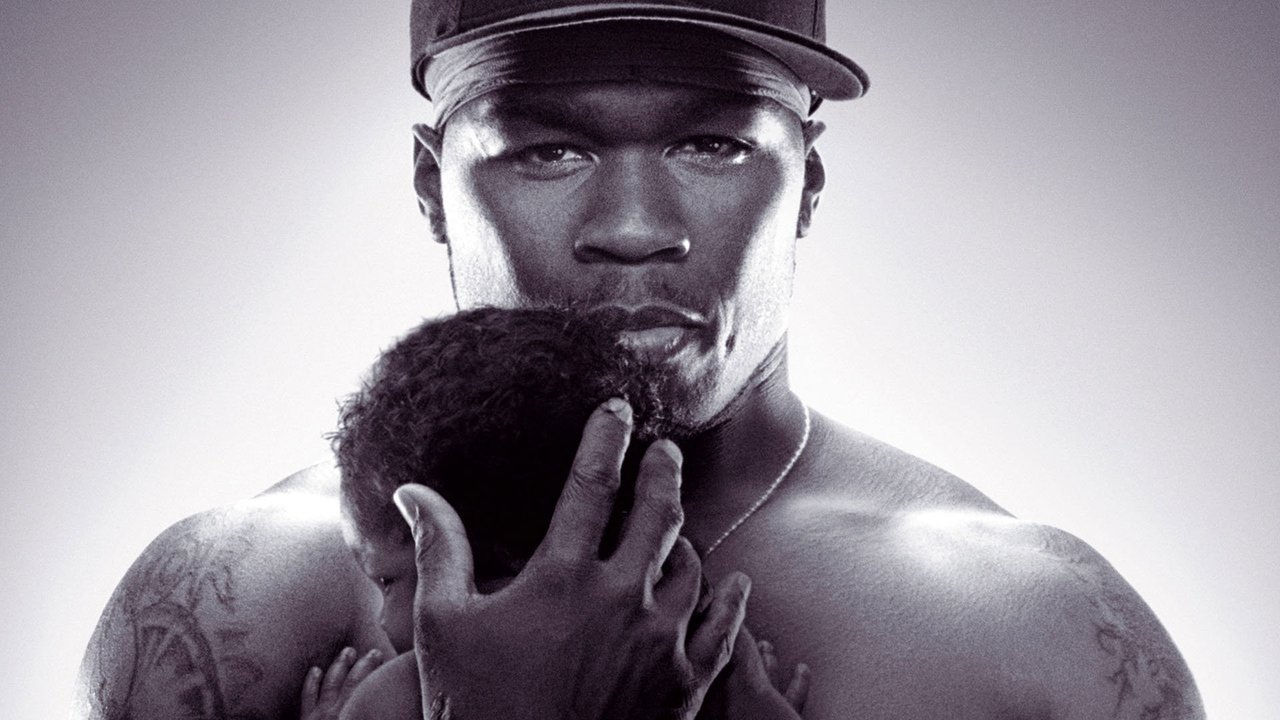
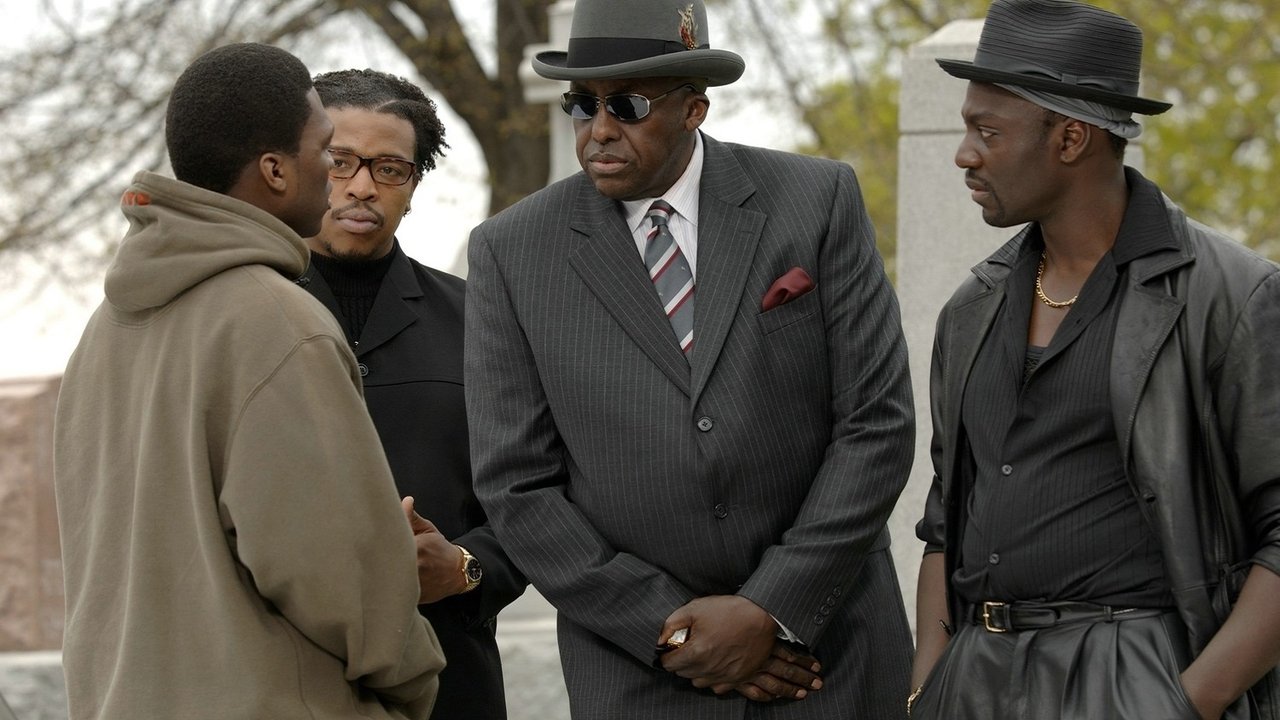
The mid-2000s were a strange time for movies. Every major label was trying to turn their biggest recording artist into a movie star, and this film is the peak of that trend. It arrived right when 50 Cent was the biggest name in music, and the movie leans heavily into that myth-making. While critics absolutely panned it—that 17% score on Rotten Tomatoes is hard to ignore—the audience score tells a different story. Fans of the era didn't care about the clunky pacing; they wanted the origin story of the man who survived nine shots and became a mogul.
The prestige paradox
What makes this movie weirder than your average "rapper movie" is the direction. The studio hired a director known for serious, Oscar-nominated Irish dramas to helm a story about the South Jamaica, Queens drug trade. This creates a weird friction. The movie looks expensive and polished, far better than it probably should, but the script still relies on every hood-movie trope in the book.
You can see the director trying to find the humanity in Marcus, the protagonist, while the marketing department clearly just wanted more shootouts. If you’re watching this with a teen who is a fan of modern hip-hop, they’ll likely appreciate the grit. If they’re used to the high-gloss, fast-paced action of modern John Wick-style movies, they might actually find this a bit slow. It’s more of a character study that happens to have a lot of guns in it.
Beyond the "8 Mile" shadow
Everyone compares this to 8 Mile, but they are fundamentally different experiences. Where Eminem’s movie was about the internal struggle of an artist finding his voice, this is about the external struggle of a man trying to stay alive long enough to use his. It’s much darker and more cynical.
The violence here isn't "movie violence"—it’s meant to feel heavy and consequential. When people get hurt in this film, they stay hurt. This is a good entry point if your kid is starting to get into the history of the genre, but it’s worth noting that it portrays a very specific, very bleak era of New York history.
The mogul evolution
It is fascinating to look at this movie as the first draft of what would eventually become a massive TV empire. Many of the themes here—loyalty, the "business" of the streets, and the difficulty of going legit—are the same ones 50 Cent has been mining for years in his later television work.
If your teen is watching this because they’ve seen his more recent projects, it’s worth checking out our guide on 50 Cent on Hulu: Behind the Music and the Mogul to see how the real-life story compares to this dramatized version. The movie is essentially a legend-building exercise; the real story of how he transitioned from this world into a legitimate businessman is often more interesting than the gunfights on screen.
How to watch it now
Don't go into this expecting a masterpiece. Go into it expecting a time capsule. The fashion, the music, and the "tough guy" posturing are all very 2005. It’s a movie that rewards people who already like the soundtrack. If you don't care about the music, the 5.6 IMDB score is going to feel very accurate. But for a certain type of hip-hop fan, this is essential viewing, flaws and all. Just be prepared for the fact that it doesn't have the "feel-good" ending of most underdog stories; it’s a story about survival, and the cost of that survival is visible in every frame.