The 62-Episode Commitment Problem
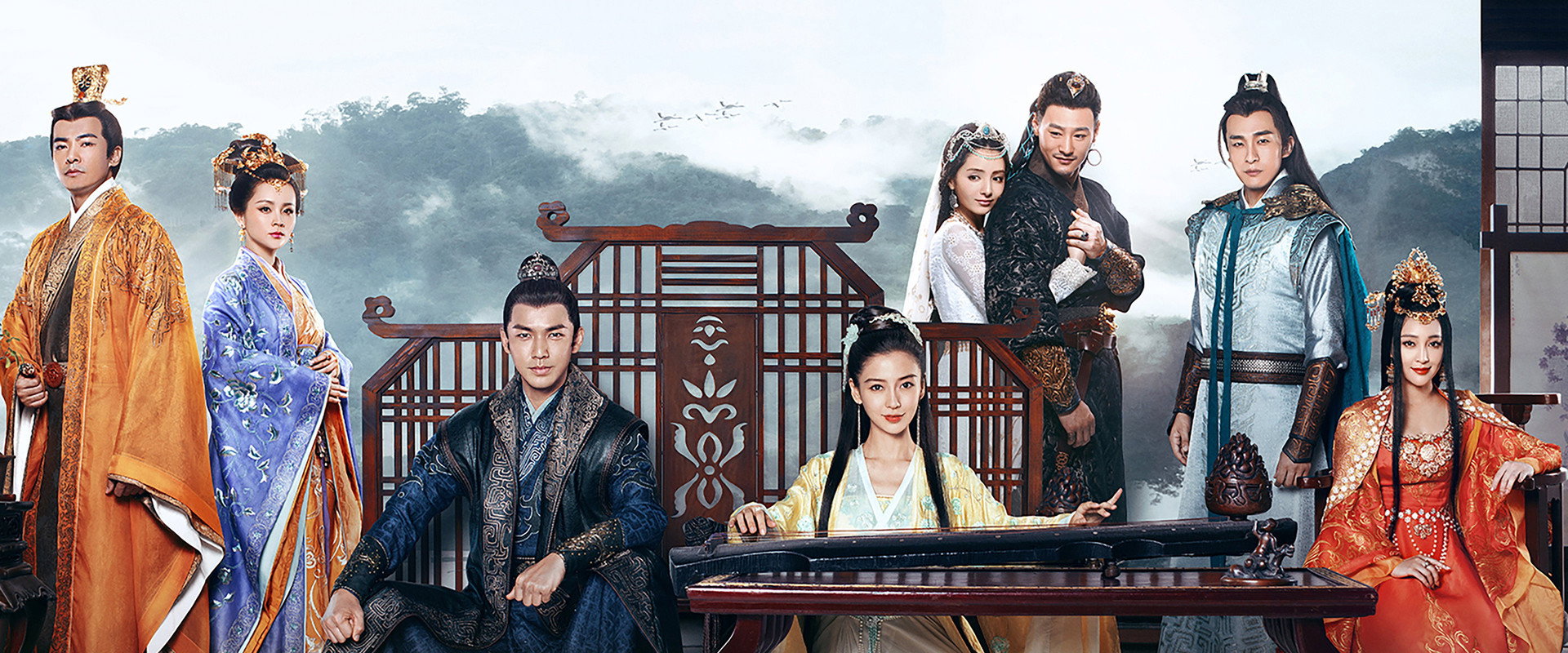
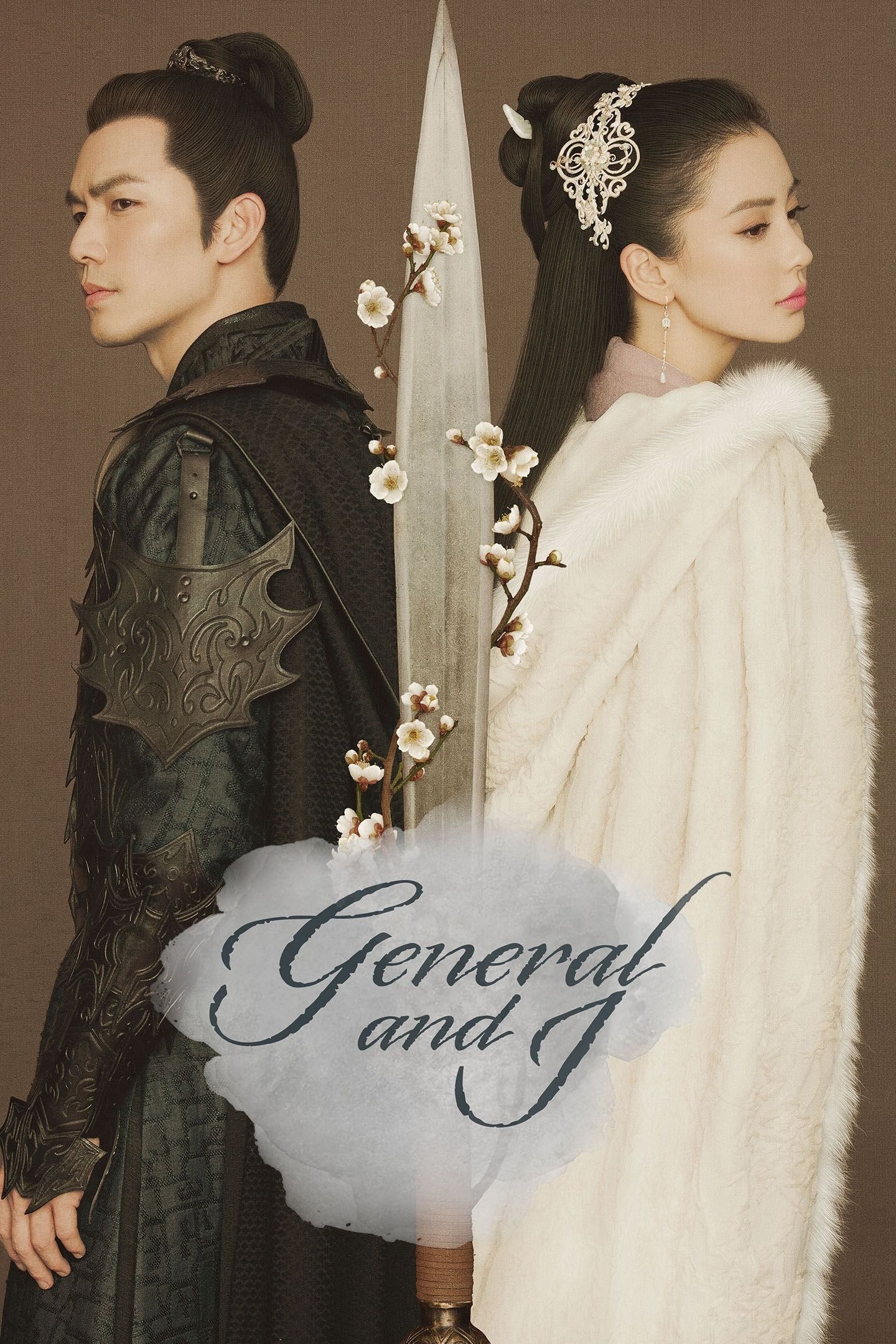
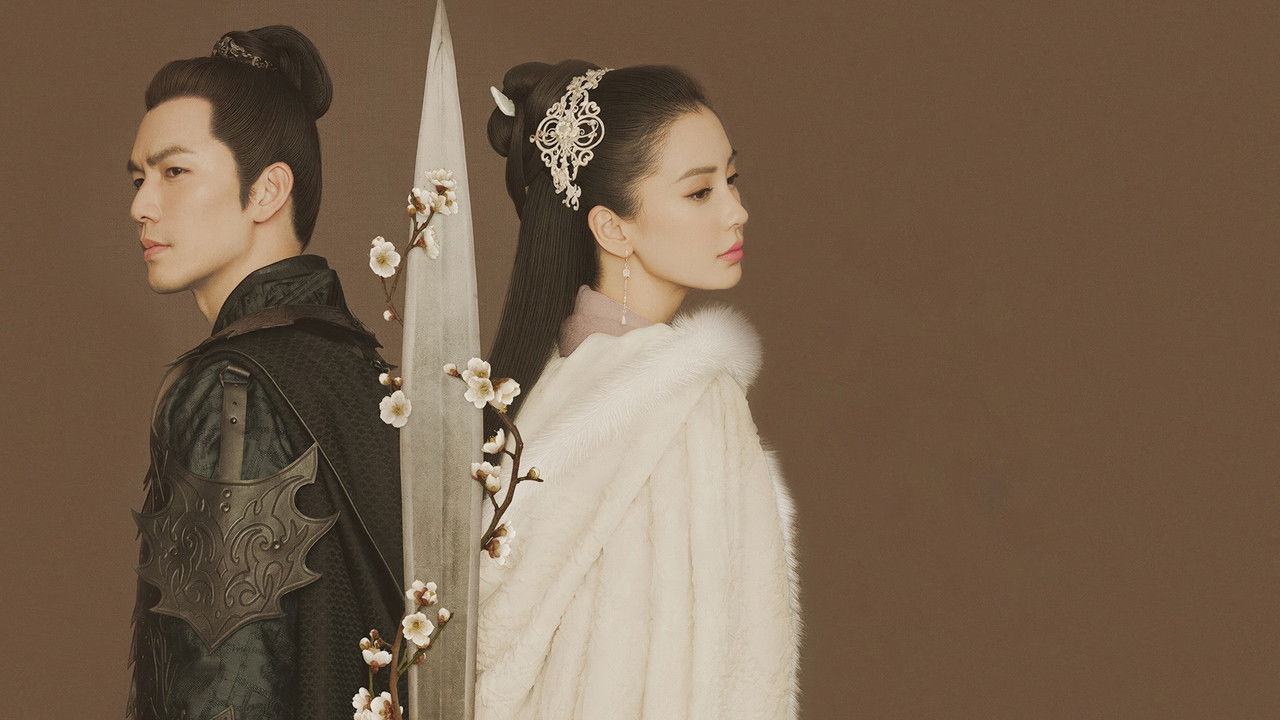
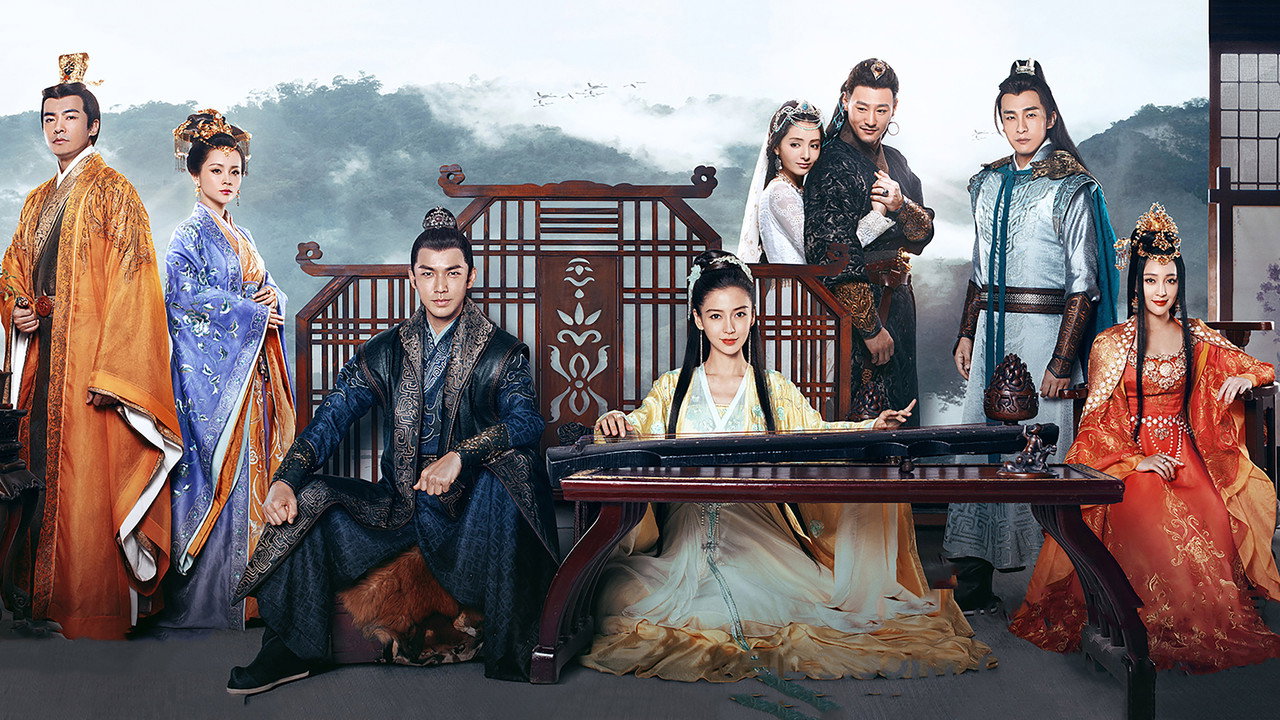
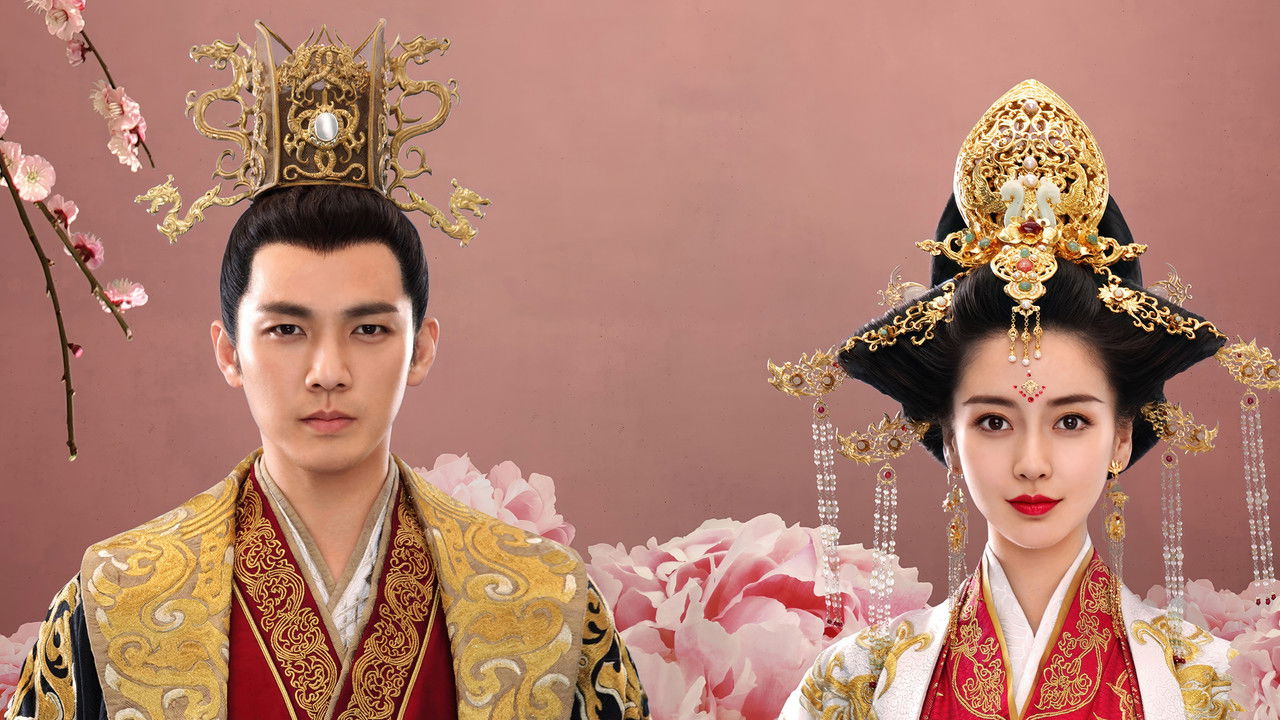
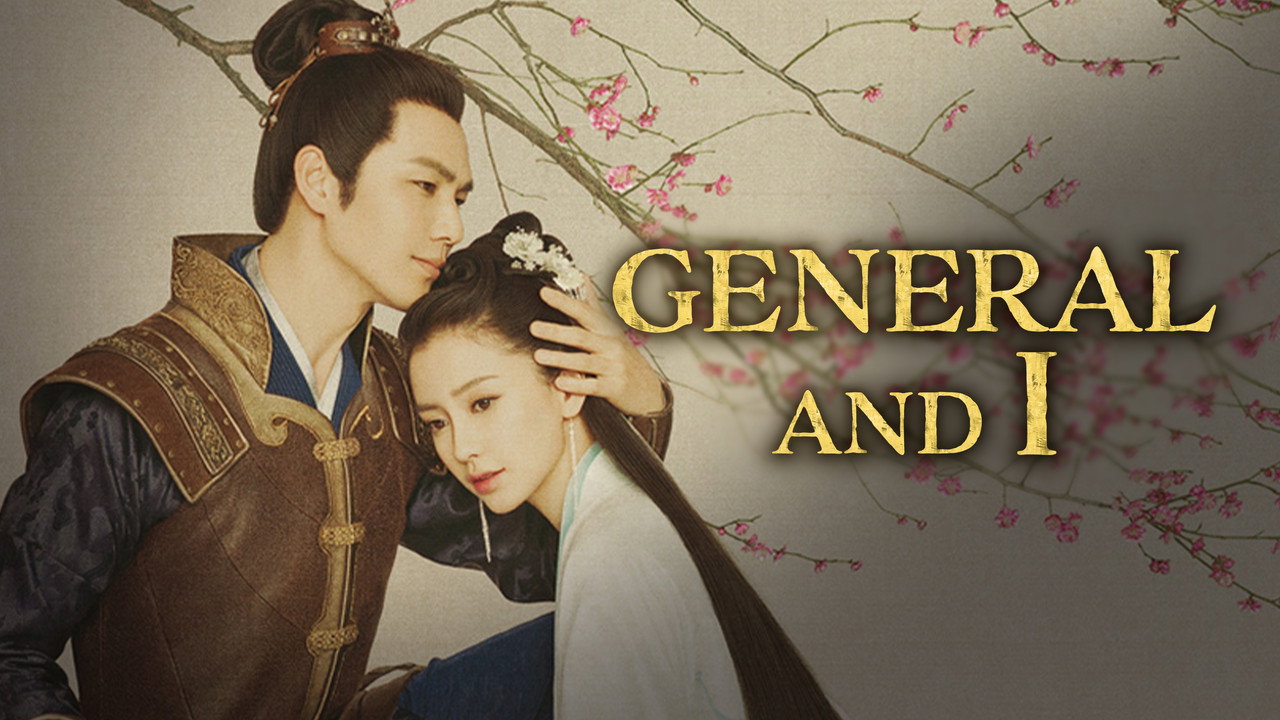
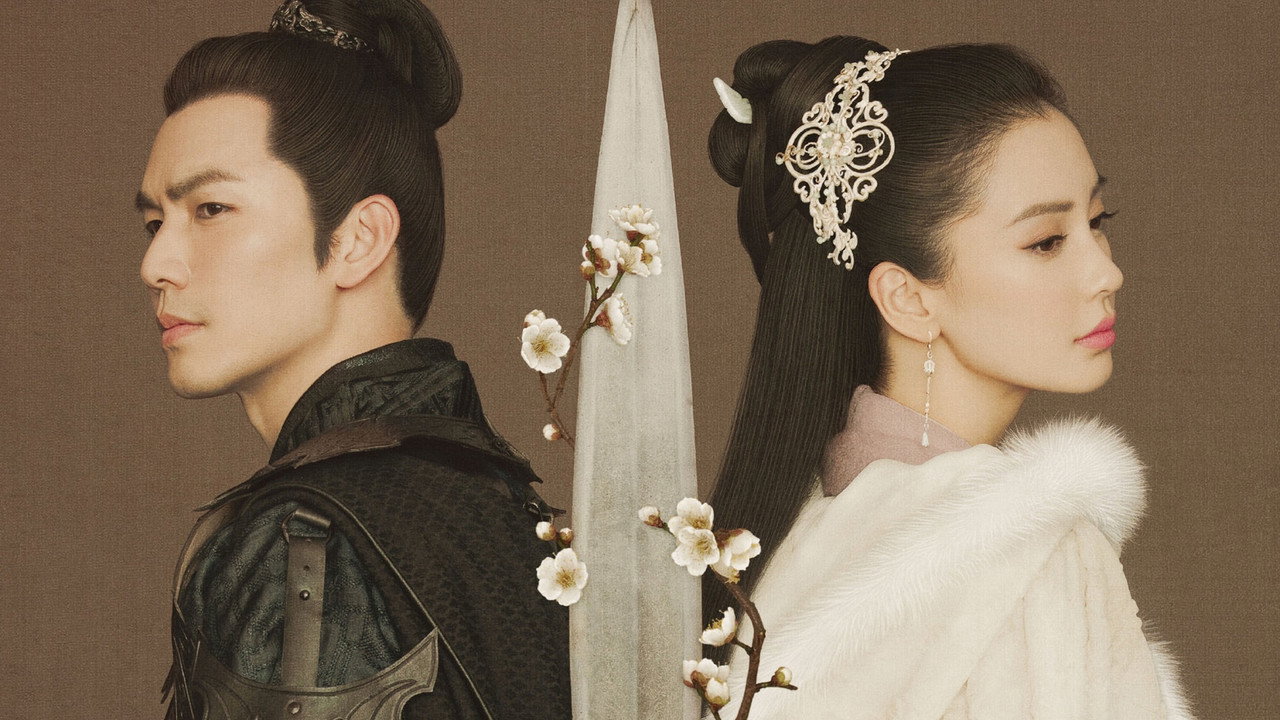
Chinese historical period dramas (often termed gu zhuang) offer epic scale, intricate political maneuvering, and high romance. On paper, General and I checks every box: adapted from Feng Nong's novel A Lonesome Fragrance Waiting to Be Appreciated, it pairs a martial powerhouse prince with a brilliant, renegade military adviser from an opposing realm.
The dynamic works well when the focus stays narrow. Unlike dramas that sideline women into passive romantic objects, Bai Pingting routinely out-thinks entire army battalions using weather patterns, terrain manipulation, and psychological warfare. For teens studying rhetoric or tactical narrative arcs, these chess matches are the highlight.
Visuals and Pacing
The issue that stops this from being an easy recommendation is execution. The drama aired in 2017 during an era of peak Chinese television production bloat, and it shows. The series stretches material that could comfortably fill 24 episodes across 62. Subplots involving conniving consorts, poisoned cups, and prolonged misunderstandings cycle repeatedly.
Worse for a show reliant on epic scale, the production relied on aggressive green-screen compositing. Known colloquially among drama fans as the "cut-out" controversy, multiple wide shots and battle sequences feature actors lit under studio fluorescent lighting superimposed onto outdoor environments. If your kid appreciates clean cinematography and kinetic, authentic wire-stunt work, this show will feel artificial quickly.
Where It Fits
For families exploring East Asian historical media, stronger alternatives exist. Shows like Nirvana in Fire deliver vastly superior writing and political intrigue, while The Untamed or Word of Honor offer better pacing and emotional payoff. Reserve General and I for viewers who have already exhausted top-tier titles and explicitly want standard historical romance tropes.