The slow-burn epic
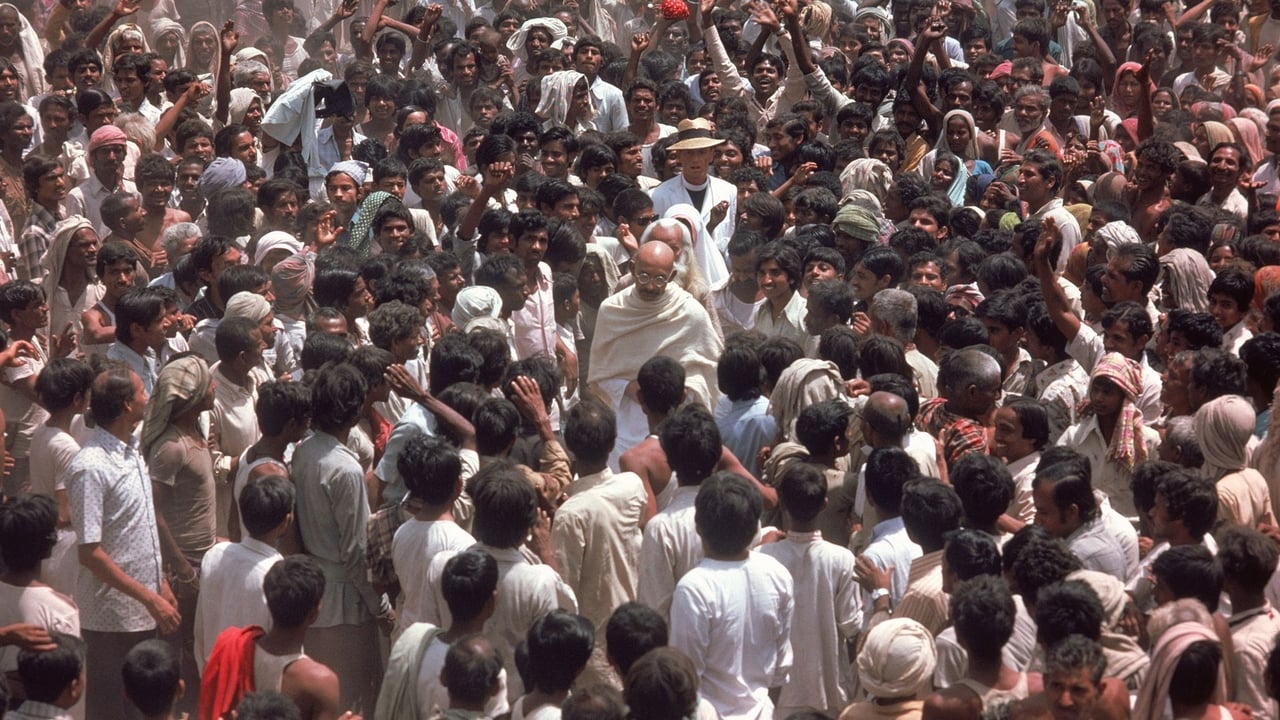
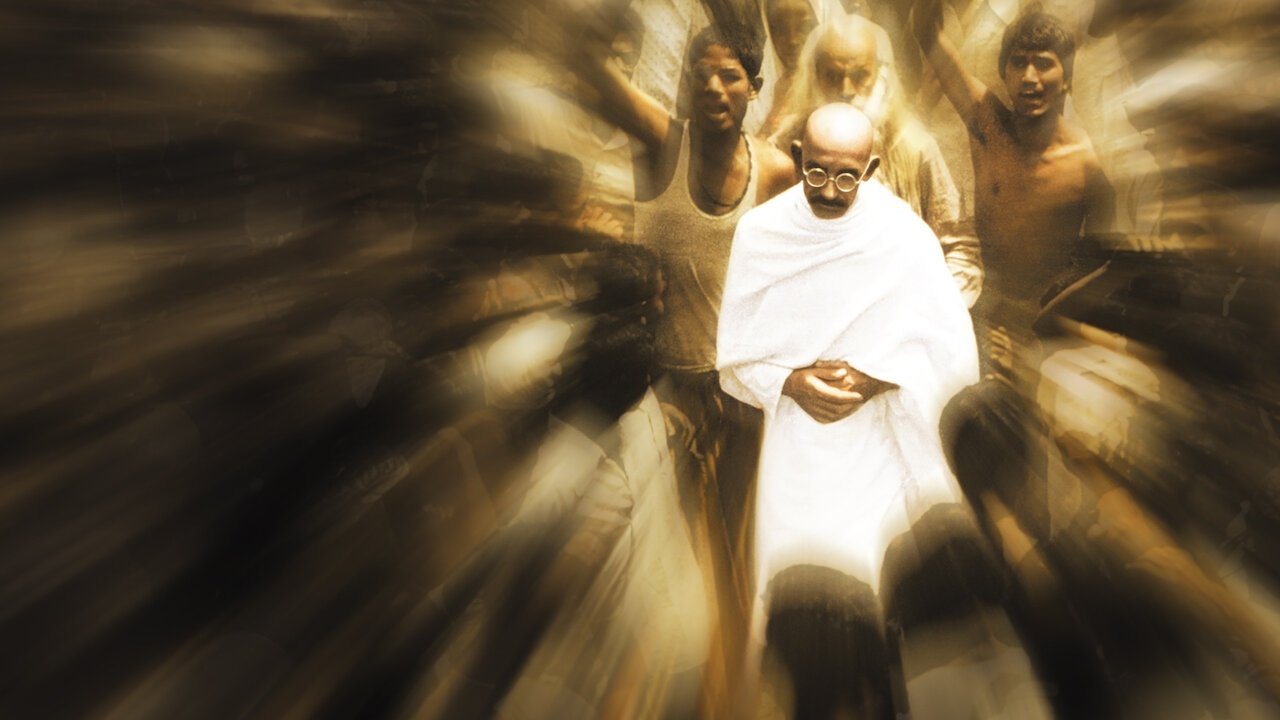
In an era of 90-minute blockbusters, Gandhi feels like a marathon. But it is a marathon with a purpose. Richard Attenborough didn't just make a movie about a man; he made a movie about a movement. For a modern kid, the most shocking thing isn't the violence—it is the patience. Gandhi's strategy took decades to bear fruit, and the film doesn't shy away from that long, grinding timeline.
Beyond the history books
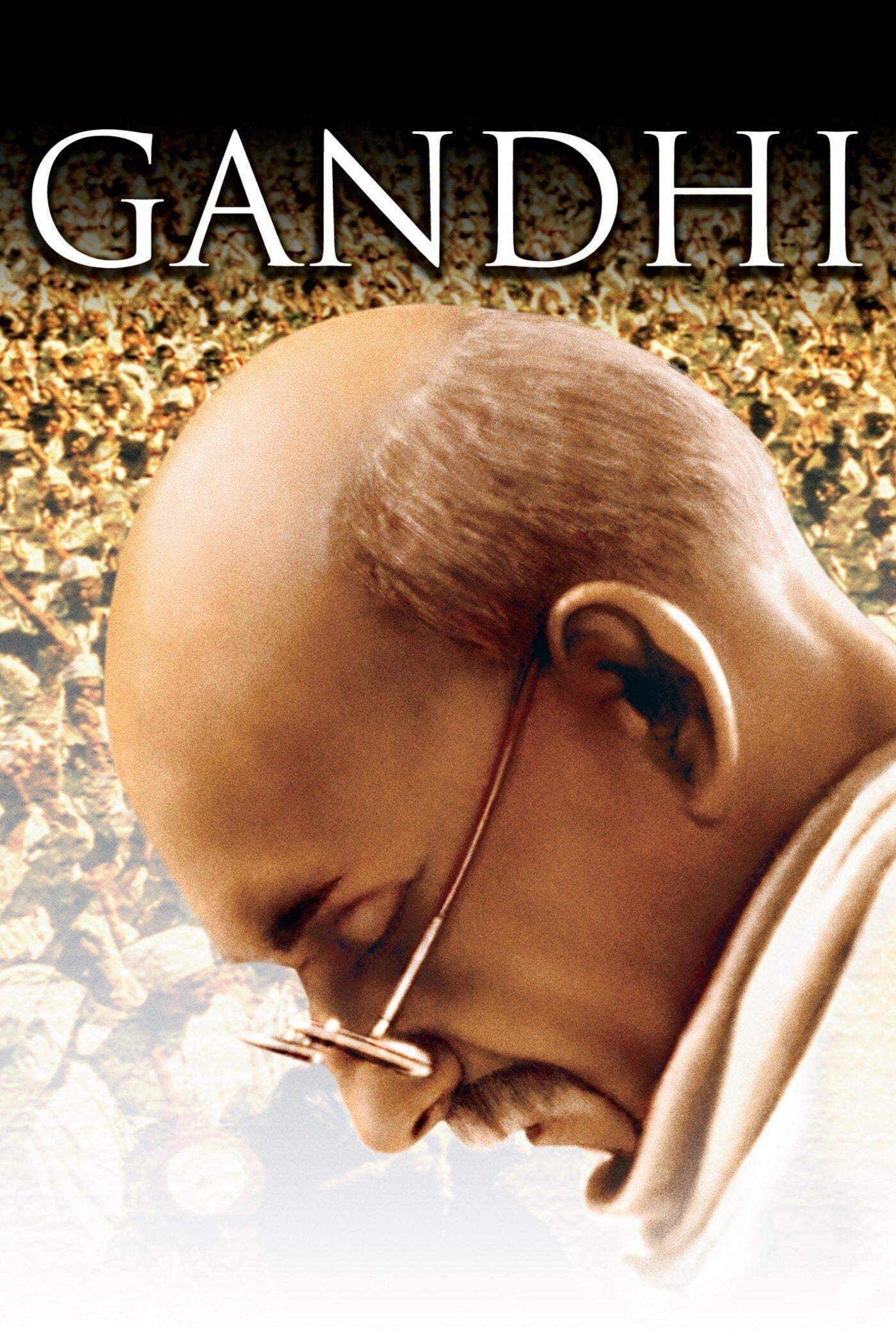
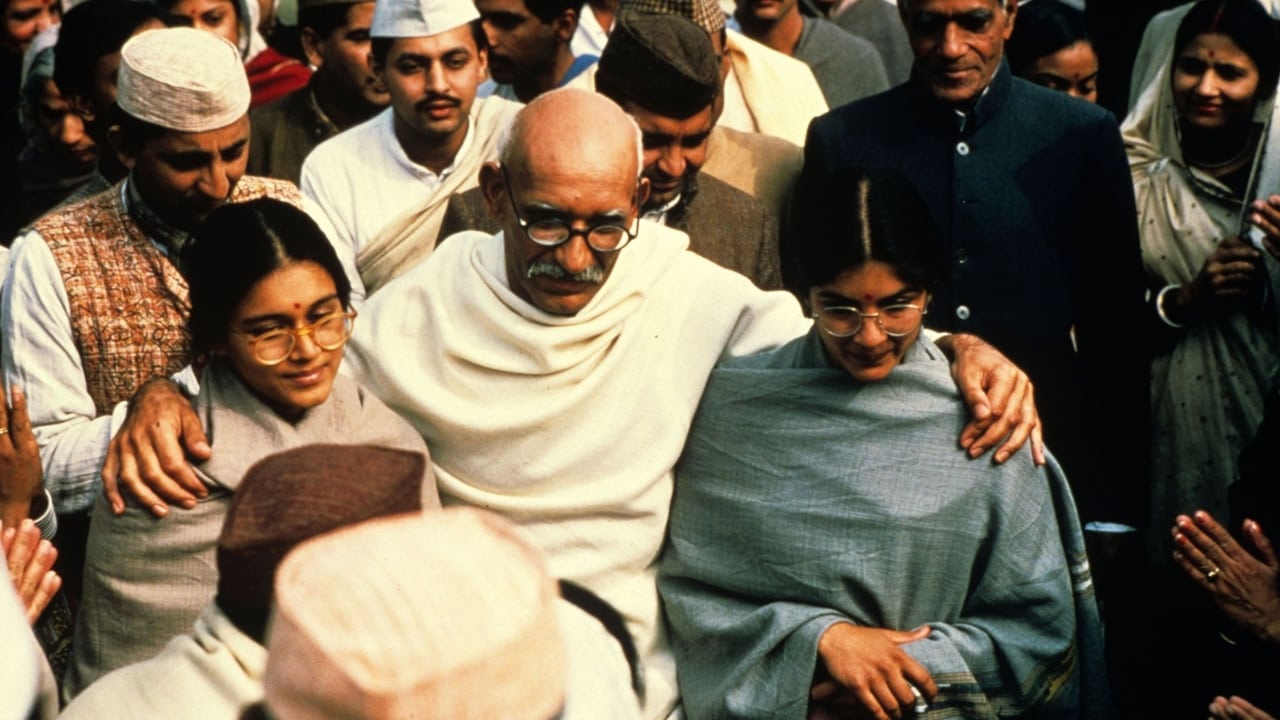
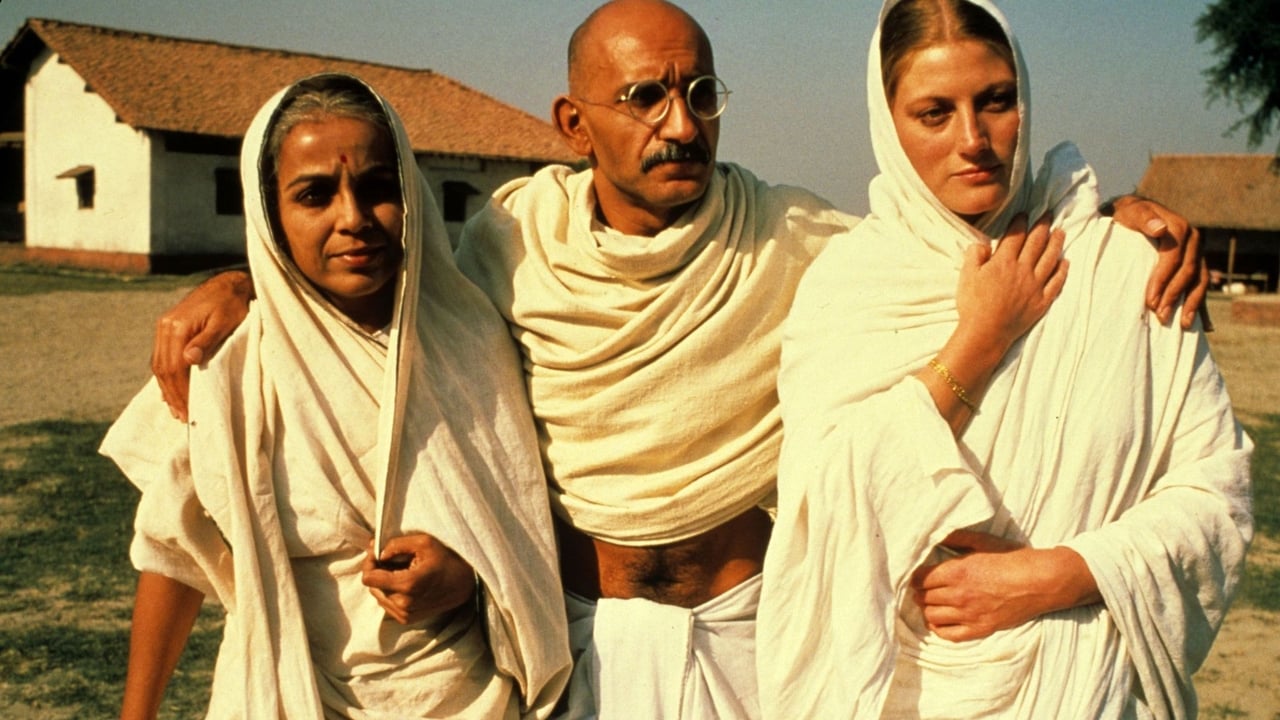
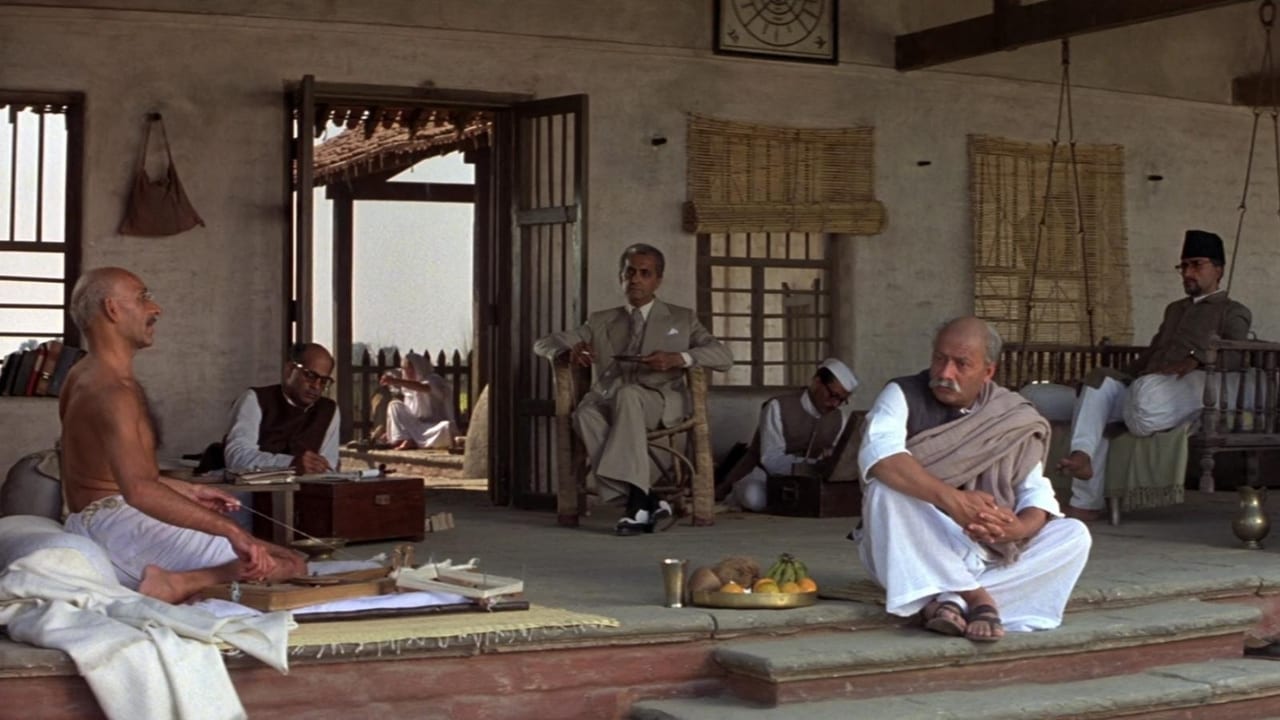
While most kids learn about Gandhi in a paragraph or two in a social studies textbook, this film puts meat on the bones. It shows him as a flawed, stubborn, and deeply human character. You see the transition from the young, suit-wearing lawyer in South Africa to the man in the homespun dhoti. That visual transformation is a great way to talk to kids about identity and simplicity.
Handling the heavy stuff
The violence in the film is sparse but intentional. When it happens, it is designed to make you feel the weight of oppression. The Amritsar Massacre is the big one. It is filmed with a clinical, horrifying detachment that makes the point better than any stylized action sequence could. If you have a sensitive kid, sit close for that part.
Ultimately, this is a movie about media literacy and public perception. Gandhi knew how to use the press and how to craft an image that the world couldn't ignore. In 2026, where every kid is navigating their own digital image, talking about how Gandhi 'curated' his message to topple an empire is a fascinating angle.