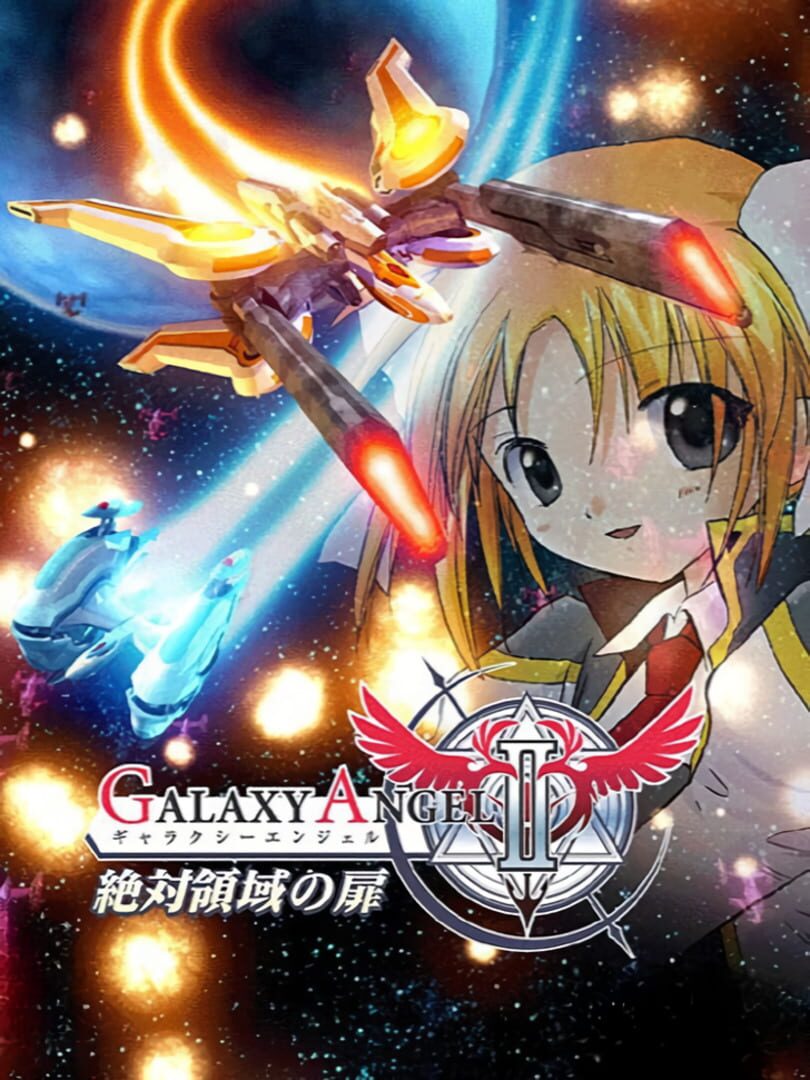
Galaxy Angel II is a 2006 PlayStation 2 sci-fi visual novel developed by Broccoli that follows the Rune Angel Troupe in a parallel universe called Neue. Unless your kid is deep down a retro anime rabbit hole, running a PS2 emulator, or actively studying Japanese, this game is virtually impossible to stumble into by accident.
If they are playing it, you don't have to worry about the usual modern gaming headaches—there are no microtransactions, predatory gacha mechanics, or live chats here. The low WISE score comes down to sheer playability in 2026: it is a slow, text-heavy, unlocalized 20-year-old sequel built around mid-2000s anime romance tropes.
Age Fit
Best suited for teens 13 and up (and nostalgic adults) who are already deep into retro anime, visual novels, or Japanese language study. Younger kids will bounce right off the wall-to-wall text and slow 2006 pacing.
WISE Breakdown
Wholesome
65
Lighthearted sci-fi visual novel focused on the Rune Angel Troupe in the parallel universe of Neue, though it incorporates standard mid-2000s anime romance and fanservice tropes.
Imaginative
60
Features a space-opera setting across a parallel universe, though the gameplay relies on standard visual novel and turn-based tactical formulas of the era.
Safe
85
As an offline 2006 PlayStation 2 release, it has zero microtransactions, gacha mechanics, or live online chat risks. Content includes mild anime suggestiveness.
Enriching
50
Heavy on text and reading comprehension (in Japanese or via fan translation), with light tactical strategy elements, though primarily built as light entertainment.
Parent Info
✓
Why It Might Be Great
Zero modern monetization: Because it is a 2006 PlayStation 2 release from Broccoli, there are no loot boxes, gacha pulls, or battle passes attached to the character roster.
Heavy reading volume: Like most visual novels, the game is essentially an interactive sci-fi book, requiring sustained reading attention to follow the Rune Angel Troupe across the universe of Neue.
Language practice for niche learners: Since the game was released in Japan, teens studying Japanese sometimes use mid-2000s visual novels like this for reading and listening comprehension.
⚠
What to Watch For
2000s anime dating-sim tropes: Expect the standard mid-2000s anime character designs, mild fanservice, and harem-style romance mechanics where a male protagonist builds affection with an all-female squad.
Massive accessibility hurdles: Unless your kid is emulating PS2 games on a PC with fan patches or reading Japanese on imported hardware, they cannot play this.
Conversation Starters
"How did you even track down a copy of a 2006 PS2 game from Japan?"
"Do you prefer the story parts of visual novels, or are you playing for the space battles?"
"How does the pacing of older anime games compare to what comes out now?"