The Problem With 'Clean' Streaming
Most parents assume toggling the explicit filter on Apple Music or Spotify handles the music problem. In practice, that filter is a blunt instrument. It relies on record labels self-reporting explicit tags, which usually just flags the seven standard curse words. It ignores heavy themes, sexual innuendo, and drug references wrapped in clean language. More importantly, mainstream music apps now double as podcast networks, meaning true crime, relationship talk, and video feeds sit one tap away from a search for Taylor Swift.
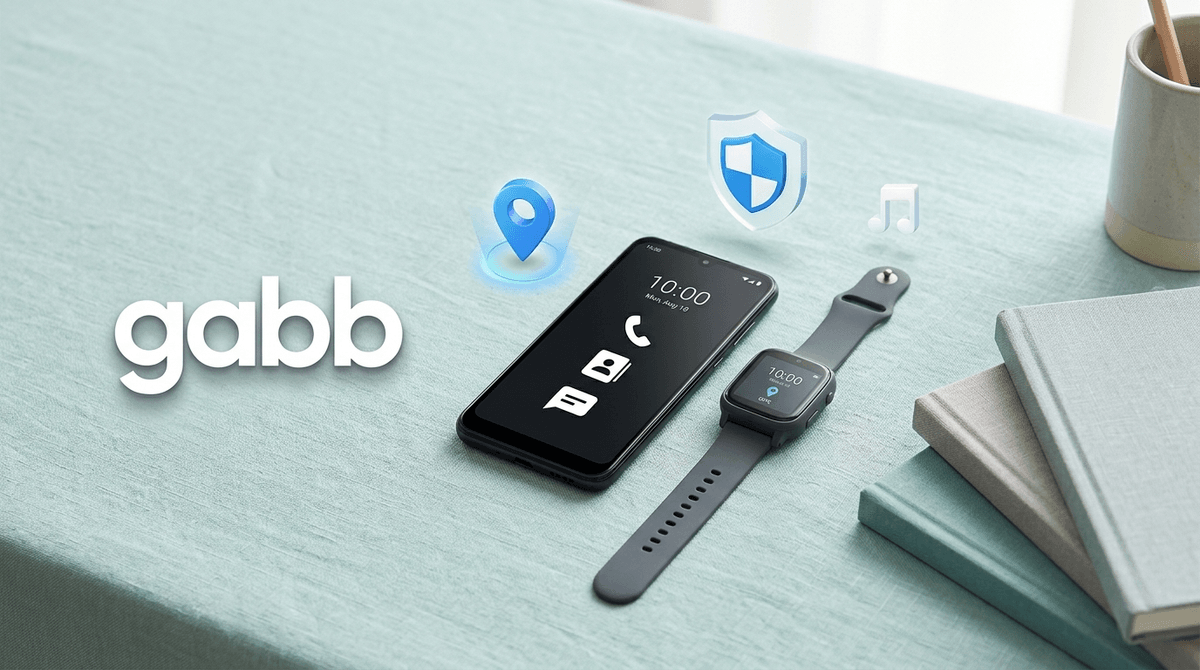
Gabb Music strips out everything except the audio. There are no video rabbit holes, no user comments, and no podcasts. The company licenses and vets a discrete catalog across multiple genres, sorting them into functional playlists like sleep, homework, and family road trips.
The Plus Tier Reality
If you hand this to an older kid, prepare to spring for the Gabb Music+ tier. The entry-level plan functions like an old-school radio mix: you pick a genre or mood station, and the app serves songs. That works fine for background noise during sports practice or bedtime. But modern kids listen via search and playlists. If they want to look up a specific track, skip freely, and download songs to listen on the bus without cellular data, the base plan will frustrate them quickly.
When It Fits
This app is built for the elementary-to-middle-school runway. It gives kids the autonomy to discover their own taste in music without requiring an adult to monitor the queue. By high school, social pressures and niche music discovery usually push teens toward standard platforms, where learning to navigate open algorithms becomes the goal. But as training wheels for a kid's first device, Gabb Music hits a rare sweet spot of real culture and zero junk.