The sequel trap for superhero fans
Live-action Japanese superhero shows (tokusatsu) like Ultraman, Super Sentai, and Kamen Rider are usually easy wins for elementary and middle-schoolers: practical suit effects, clear good-versus-evil stakes, and zero sexual content. Kamen Rider W (2009) is widely considered one of the best entries in the franchise, following a wannabe hard-boiled private eye and his shut-in genius partner who plug USB-like "Gaia Memories" into their belts to merge into a single two-toned hero.
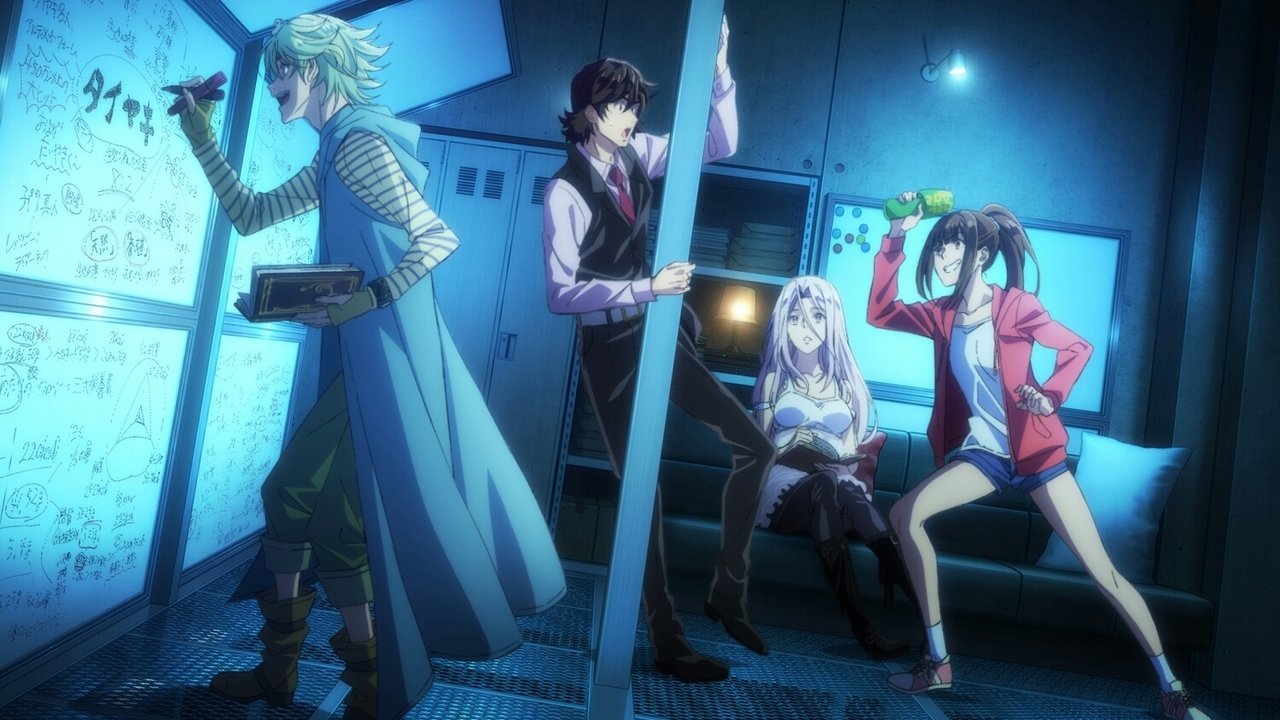
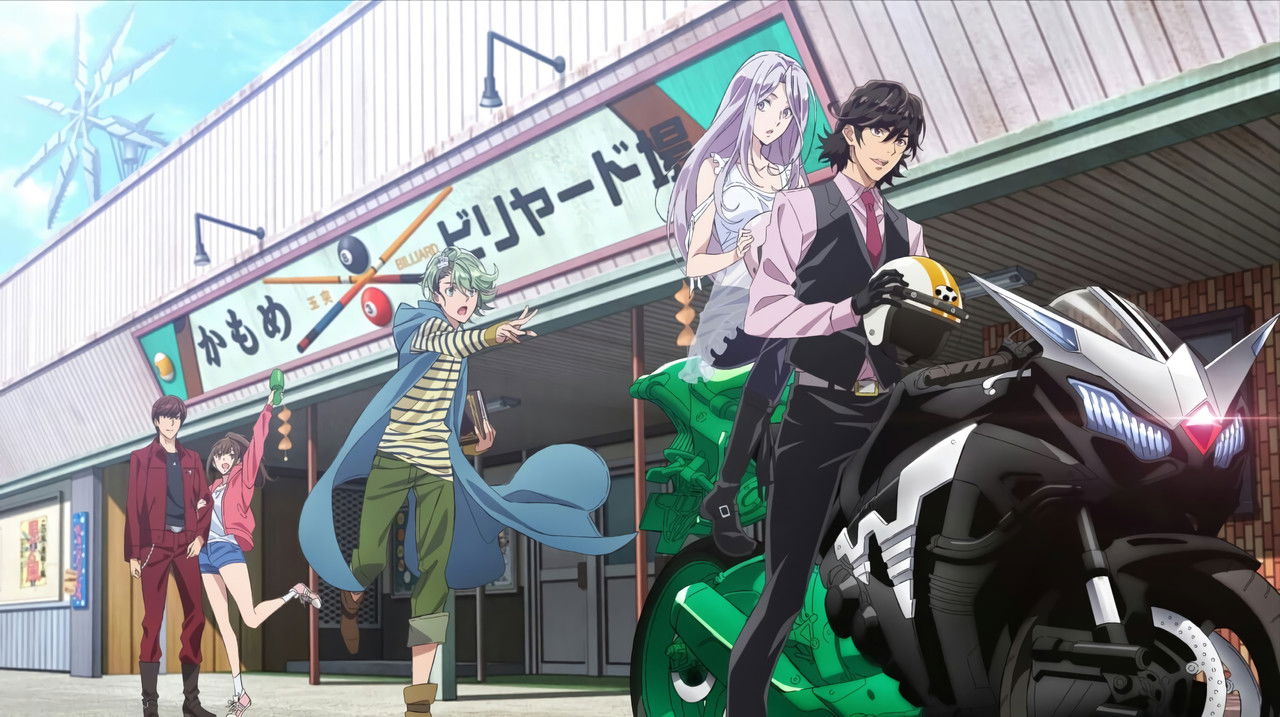
Fuuto PI picks up that exact story, based on a sequel manga serialized in a magazine for adult men (Big Comic Spirits). Because the target demographic aged up, the show's rating aged up with it. Within the first twenty minutes, Shotaro is chasing a mysterious witch who loses her clothes in an alley, followed by a scene where she steps out of his office shower completely naked (covered only by convenient framing). It's standard-issue late-night anime fan service, and it's persistent enough that you'll want to know about it before putting it on the living room TV.
Does it hold up on its own?
If you strip away the leering camera angles, the actual detective work is solid. The show breaks its 12 episodes into neat multi-part cases where citizens of Fuuto buy black-market Gaia Memories that turn them into monsters called Dopants. The mysteries treat the superpowers like street drugs, exploring why desperate or bitter people give in to their worst impulses.
The catch is that Fuuto PI does very little hand-holding for newcomers. It assumes you already love Shotaro, Philip, their loudmouth boss Akiko, and Police Superintendent Terui. If a teen is curious about the franchise, they'll have a much better time tracking down the original live-action Kamen Rider W—or checking out Netflix's Ultraman: Rising for a clean, standalone Japanese superhero entry.