The Roguelike as a Teacher
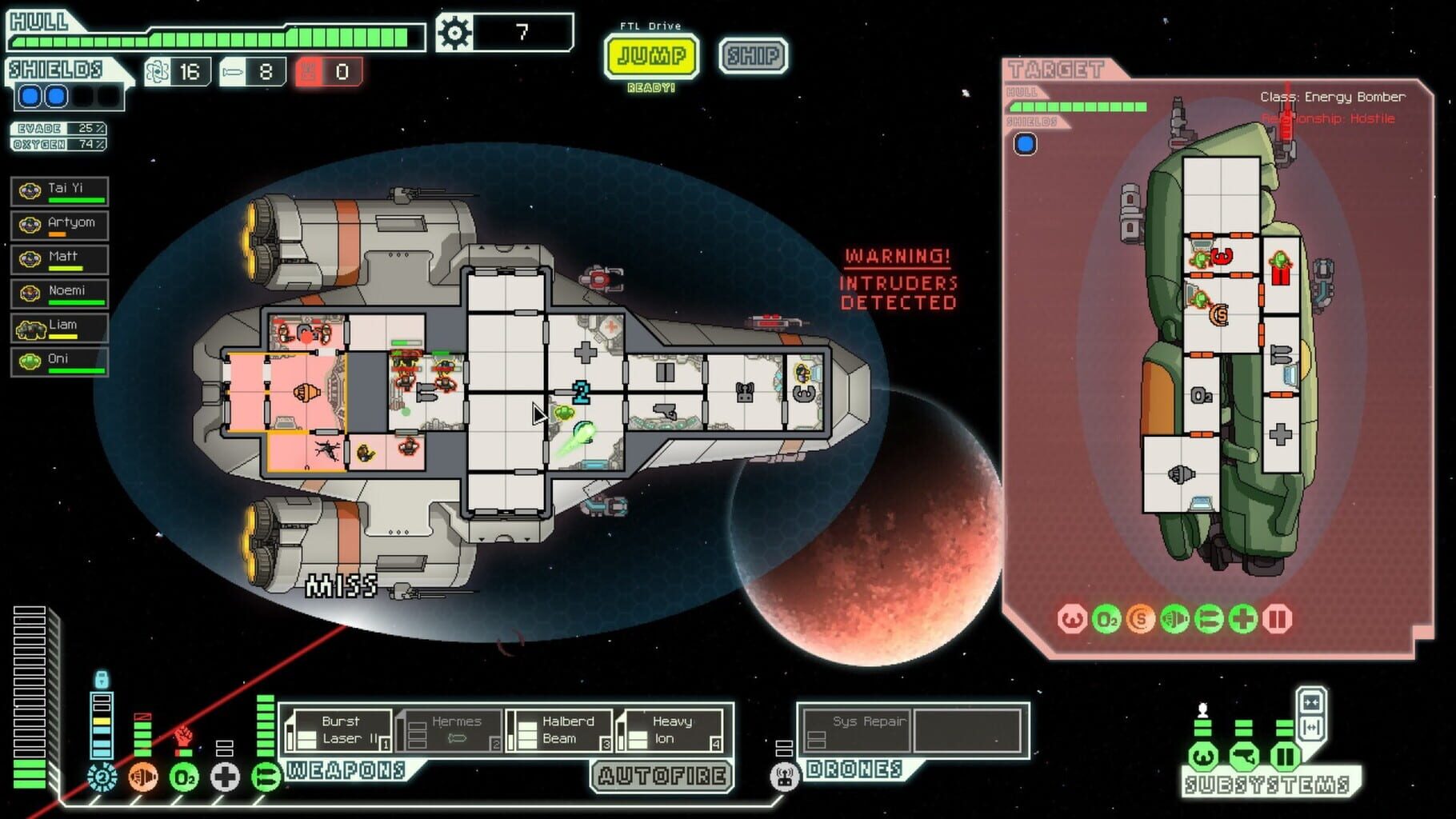
FTL: Faster Than Light belongs to a genre called 'roguelikes,' which means it's designed around short, intense runs where death is permanent. In a world of games that hold your hand and give participation trophies, FTL is refreshingly blunt. If you forget to close the airlocks during a fire, your crew dies. If you spend all your scrap on fancy guns and forget to upgrade your shields, you won't make it past the third sector.
Why it works in 2026
Even fourteen years after its release, FTL remains a staple because it doesn't rely on cutting-edge graphics. Its clean, top-down UI is intuitive, and its soundtrack is legendary. It’s particularly great on the iPad, where the touch controls feel like you’re actually tapping a console on a starship bridge.
The 'Losing is Fun' Philosophy
The biggest hurdle for kids will be the 'permadeath.' Losing a ship they’ve spent an hour upgrading can be a gut punch. However, this is where the best parenting happens. FTL is a safe space to practice 'losing well.' Every defeat provides a clear lesson: 'I should have saved money for repairs,' or 'I shouldn't have trusted that giant alien spider.' It turns failure into a data point rather than a tragedy.
A Clean Break from the Feed
Because FTL is a self-contained, single-player experience, it doesn't use the psychological tricks of the attention economy. There is no 'algorithm' trying to keep them playing for six hours. A run usually lasts 20 to 40 minutes, making it an easy game to fit into a structured screen-time window. If your kid likes sci-fi, strategy, or just likes being the boss, this is an essential play.