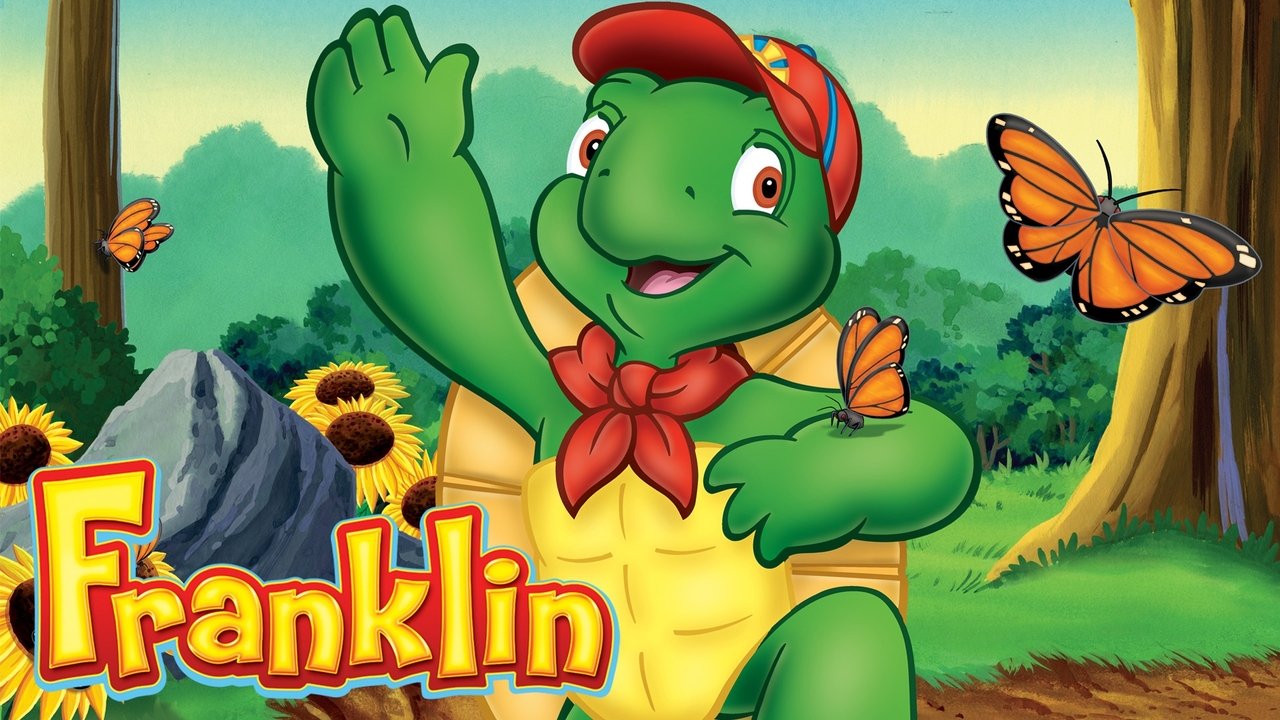
Why the Slow Pacing Still Works
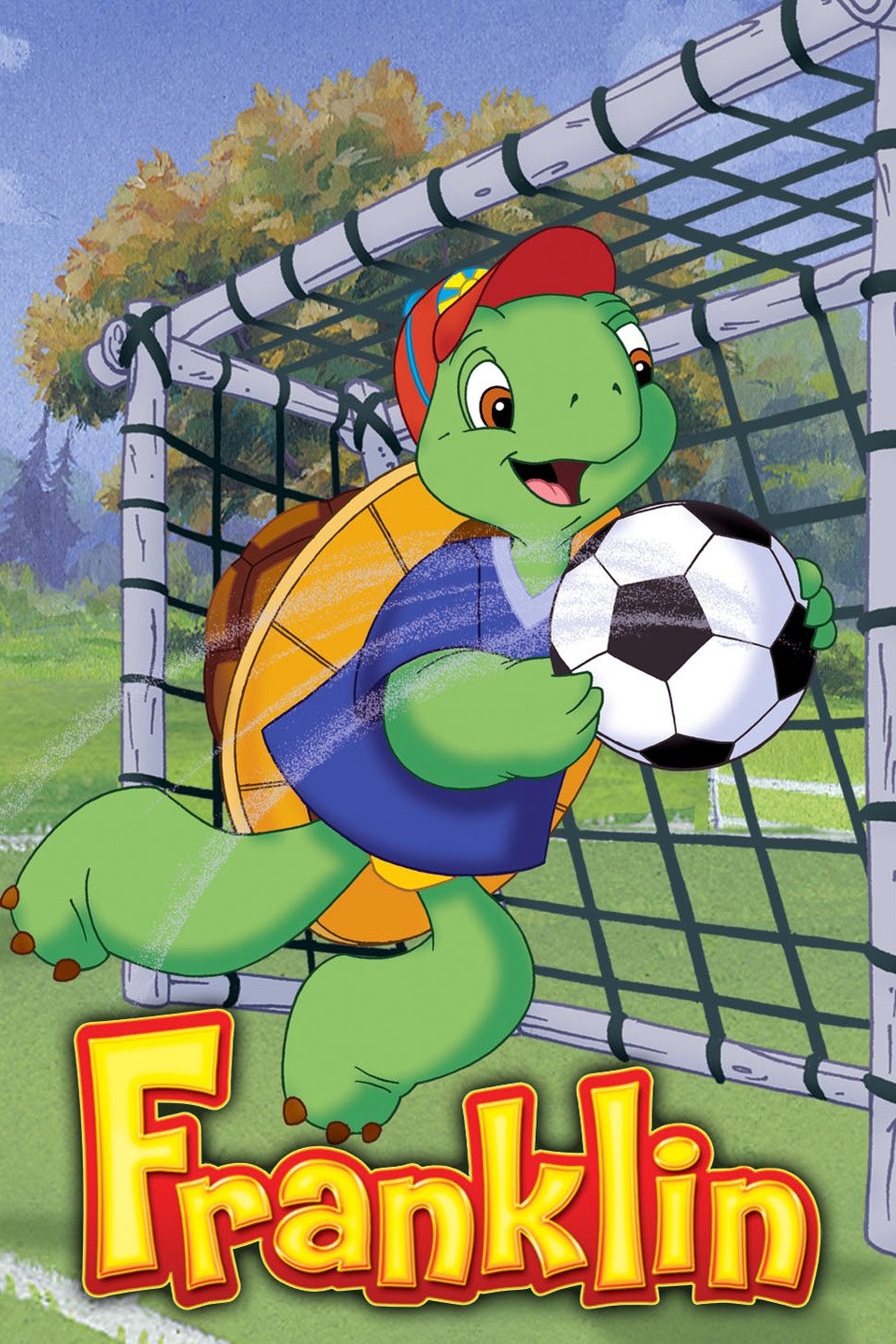
Most modern preschool programming runs on perpetual motion: bright primary colors, frequent musical interruptions, and visual edits every two seconds. Franklin belongs to a different era of Canadian public broadcasting—one that understood small kids process narrative better when the frame is allowed to rest.
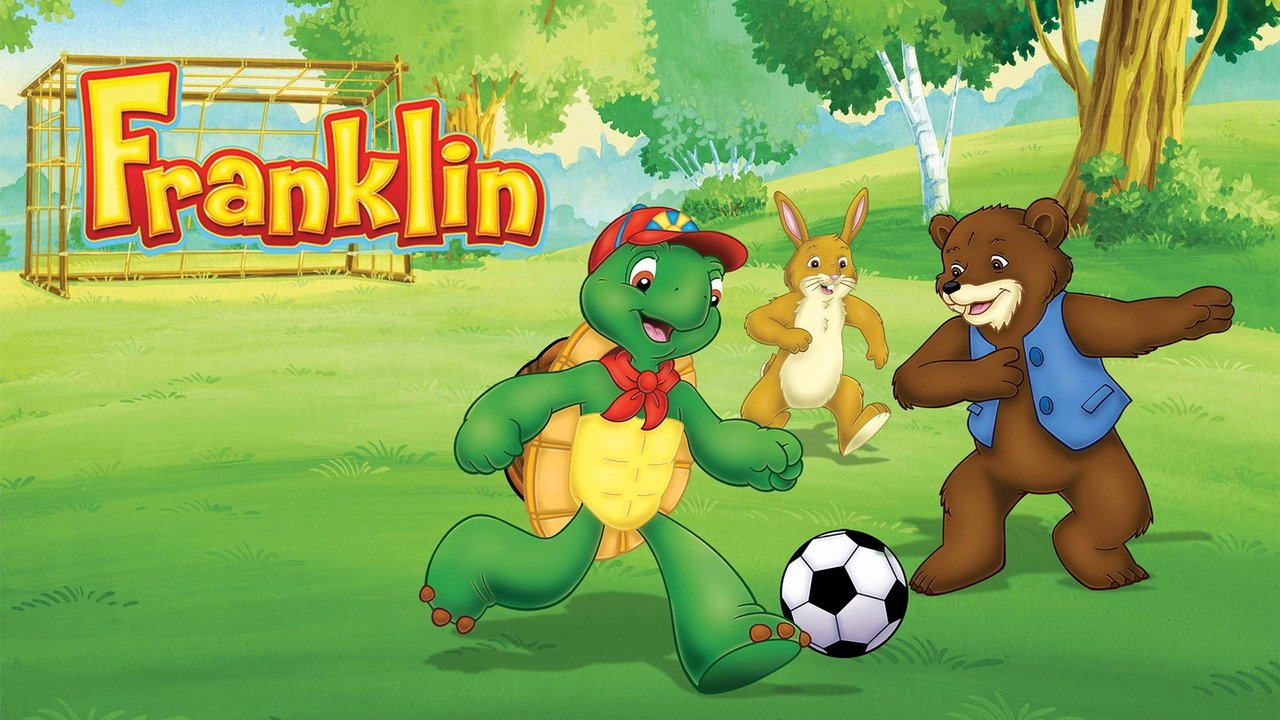
The stories rarely leave Franklin's immediate orbit. He visits Bear, goes to Mr. Owl's classroom, rides his bicycle, or tries to hide a torn library book. The stakes are never global; they are entirely emotional. When Franklin is scared of the dark or feels embarrassed because he needs training wheels, the show does not treat the feeling as a joke or a problem to solve in twenty seconds with a magic song.
The Real Value: Flawed Characters
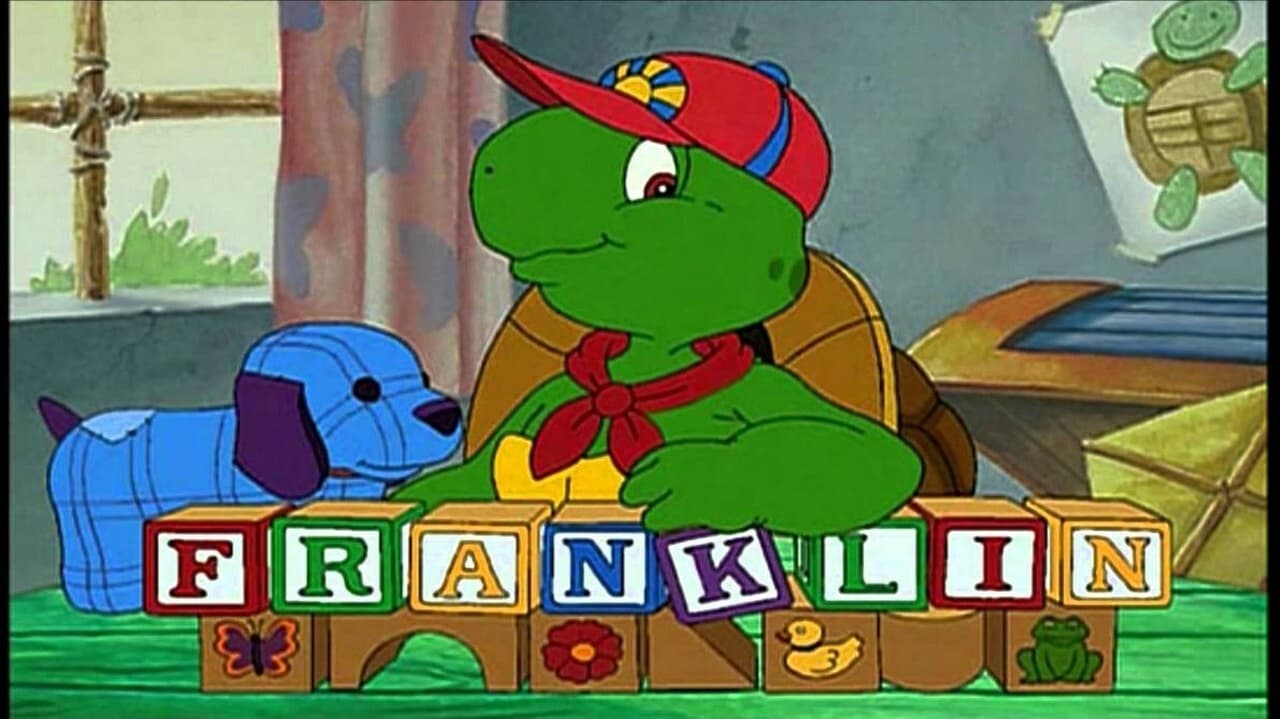
Franklin is not an idealized role model. He can be stubborn, selfish, and slightly petty—which is why kids connect with him. In various episodes, he cheats at a game, fibs about an accomplishment to impress his peers, or sulks when things do not go his way.
Crucially, his parents do not swoop in with heavy-handed moralizing. They ask questions, let him sit with the discomfort of having messed up, and give him space to make amends. It provides a blueprint for childhood problem-solving that feels organic rather than preachy.