Final Fantasy VII

Final Fantasy VII

game

1997, Role-playing (RPG), Adventure

WISE
82%

WISE Score

91%

IGDB

An eco-warrior, a giant sword, and a flower merchant take on a soul-sucking corporation in a foundational JRPG loaded with magic, grief, and 1997 polygons.

Where to Play

Screenwise Verdict

Final Fantasy VII is a high-water mark for storytelling in games, but modern parents should know what they are handing their kid. This is a 40-hour 1997 JRPG. It requires patience, stamina for turn-based combat, and a willingness to read miles of dialogue text boxes. If your middle schooler can handle that, they will discover a story that treats them like an intelligent adult.

Content-wise, it earned its Teen rating legitimately. You get eco-militancy, corporate cruelty, mental breakdowns, pixelated blood, and one of the most famous character deaths in gaming history. There are no predatory microtransactions or toxic Discord servers built in, just a giant, moody adventure about trying to save a dying world.

Age Fit

Best for middle schoolers, teens, and adults. Younger kids will struggle with the blocky visual style, dense menus, and high volume of unvoiced dialogue.

WISE Breakdown
Wholesome
58

Starts with eco-terrorism and deals with corporate corruption, death, existential dread, and human experimentation, though balanced by deep loyalty and fighting to save the planet.

Imaginative
94

Iconic cyberpunk fantasy worldbuilding, unforgettable music, and the endlessly customizable Materia magic system.

Safe
78

Single-player offline JRPG free from modern monetization, ads, or toxic chat. Contains pixelated fantasy violence, blood, swearing, and dark thematic moments.

Enriching
85

Requires tactical party management, heavy reading comprehension, and wrestling with complex moral questions about environmental stewardship and grief.

Parent Info
✓

Why It Might Be Great

  • Deep strategy through the Materia system, which lets players craft complex magic and stat combinations across party members.
  • Massive narrative scope that treats environmental destruction, corporate corruption, identity, and personal loss with real weight.
  • Zero modern digital noise—no microtransactions, daily log-in popups, battle passes, or unmoderated live voice chat.
  • Nobuo Uematsu's soundtrack remains one of the absolute peaks of video game scoring.
⚠

What to Watch For

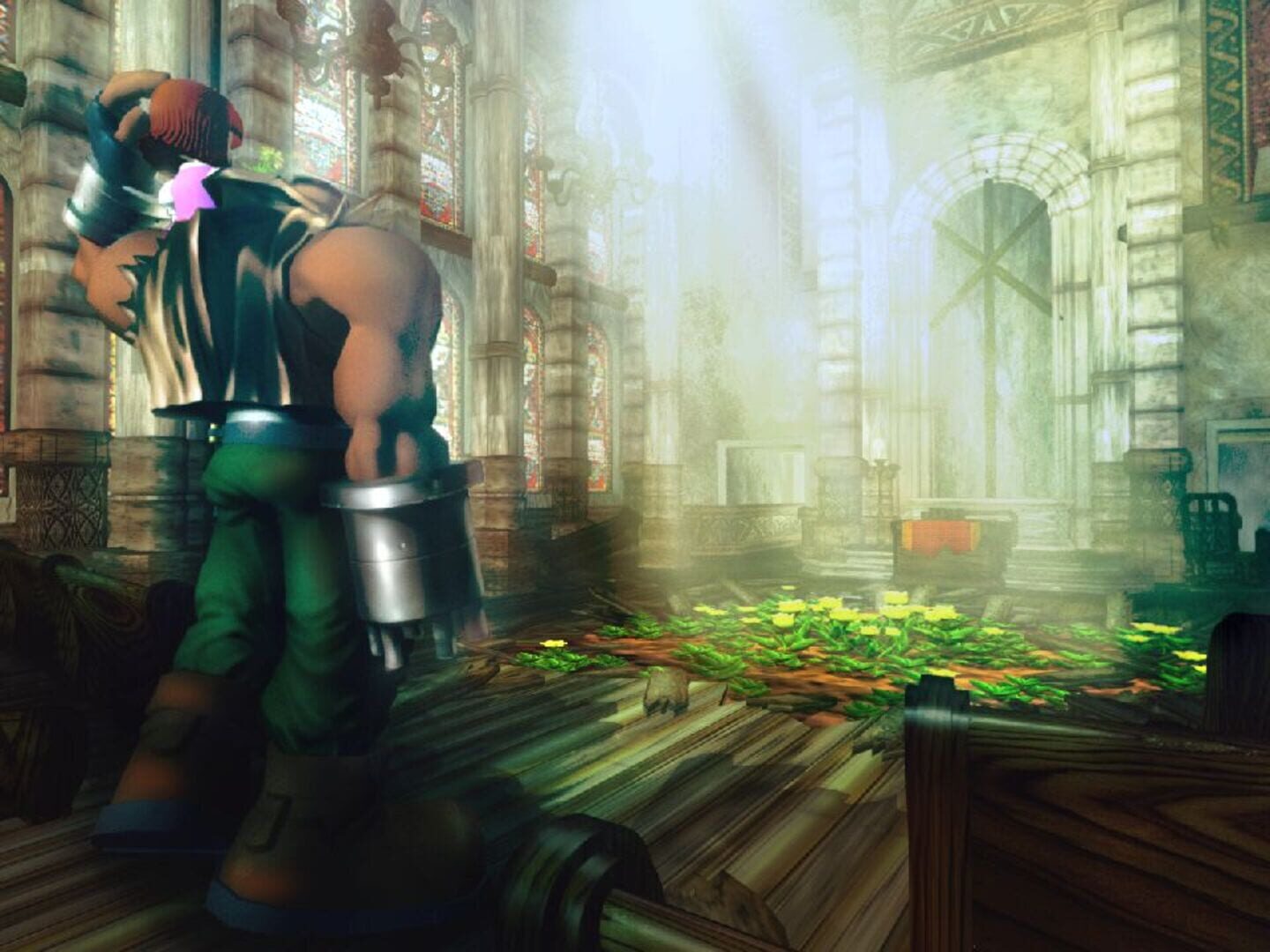
  • Blocky 1997 graphics and high random encounter rates create a high barrier for kids raised on fluid, modern action titles.
  • Major character death halfway through the story lands hard and is a permanent narrative event.
  • Mature subplots include a section where Cloud visits a brothel-adjacent establishment (Honey Bee Inn) and implied human/alien hybrid experimentation.
  • Mild swearing disguised with symbols (like %#&$!) alongside explicit mentions of alcohol and smoking.

Conversation Starters

  • "Avalanche uses extreme tactics to stop Shinra from draining the planet's life force. Do noble motives justify destructive methods?"
  • "Cloud spends a lot of the story trying to be someone he isn't. Why is it so hard for him to accept his actual past?"
  • "How did Aerith's story arc feel compared to how modern movies or games handle major character losses?"

Deep Dive

The JRPG standard that defined an era

When Final Fantasy VII arrived on the original PlayStation in 1997, it shifted how video games told stories. Moving from 2D sprites to pre-rendered backgrounds and blocky 3D character models allowed Square to build a sprawling, cinematic epic. The game follows Cloud Strife, a mercenary hired by an eco-terrorist group called Avalanche to blow up energy reactors built by Shinra, an electric power mega-corporation literally draining the planet's soul (Lifestream).

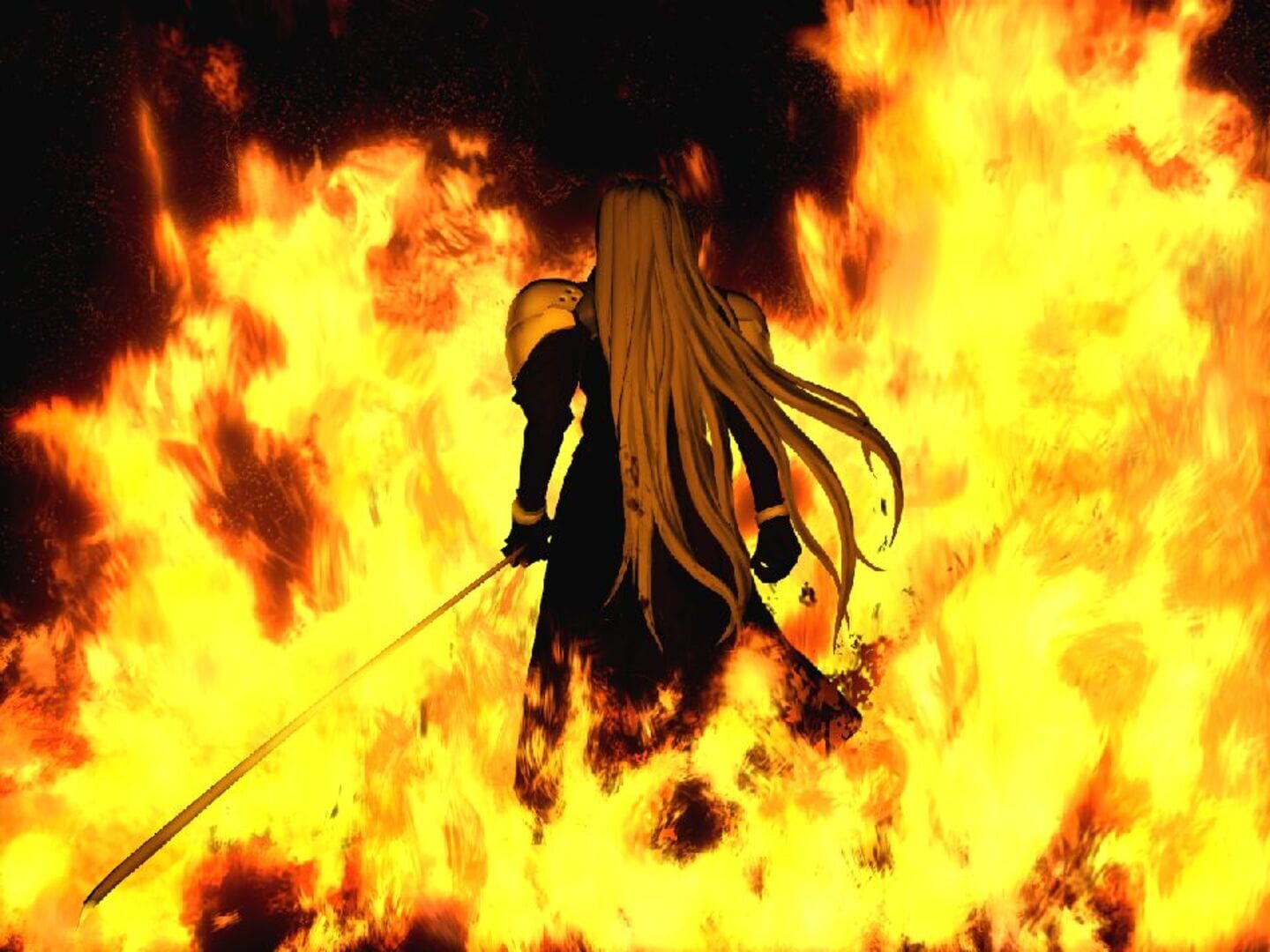
What starts as a localized city rebellion expands into a globe-trotting hunt for Sephiroth, a fallen war hero intent on destroying the planet to become a god. The narrative tackles heavy material: trauma, grief, existential identity crises, and environmental devastation. It does so without hand-holding or sanitizing the consequences.

Modern playability friction

While the narrative and musical score remain brilliant, the gameplay mechanics show their age. Random encounters happen every few steps in dungeons, shifting the screen into turn-based combat that can feel tedious to modern players raised on instant action. Navigation on pre-rendered backgrounds can be confusing without visual prompts, and the translation from Japanese retains occasional clunky phrasing.

If your kid is interested in playing the original rather than the modern action-heavy Remake trilogy, modern re-releases on platforms like the Nintendo Switch or PlayStation include quality-of-life toggles, such as speeding up gameplay three times or turning off random encounters. Using those features does not spoil the magic; it simply removes the 1997 grind so the story and strategy can shine.

What Parents Ask

Ask Anything

Get a personalized guide on any topic