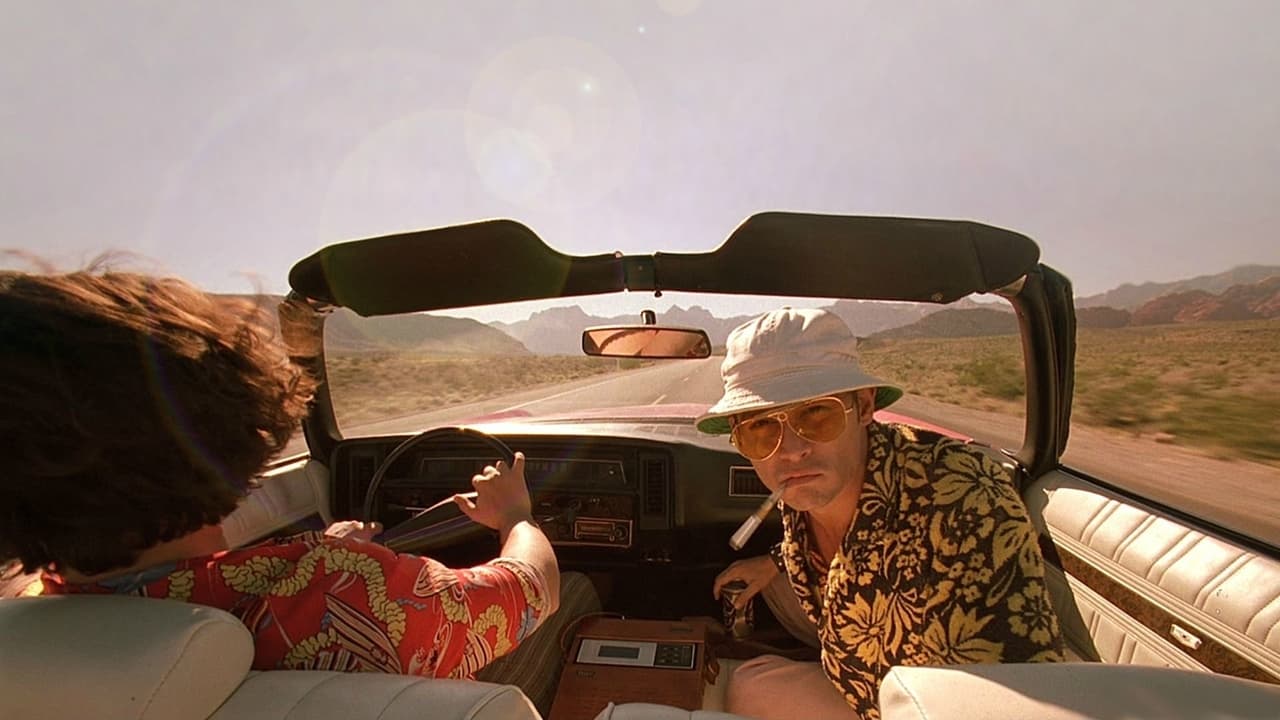
The Death of the American Dream in a Suitcase
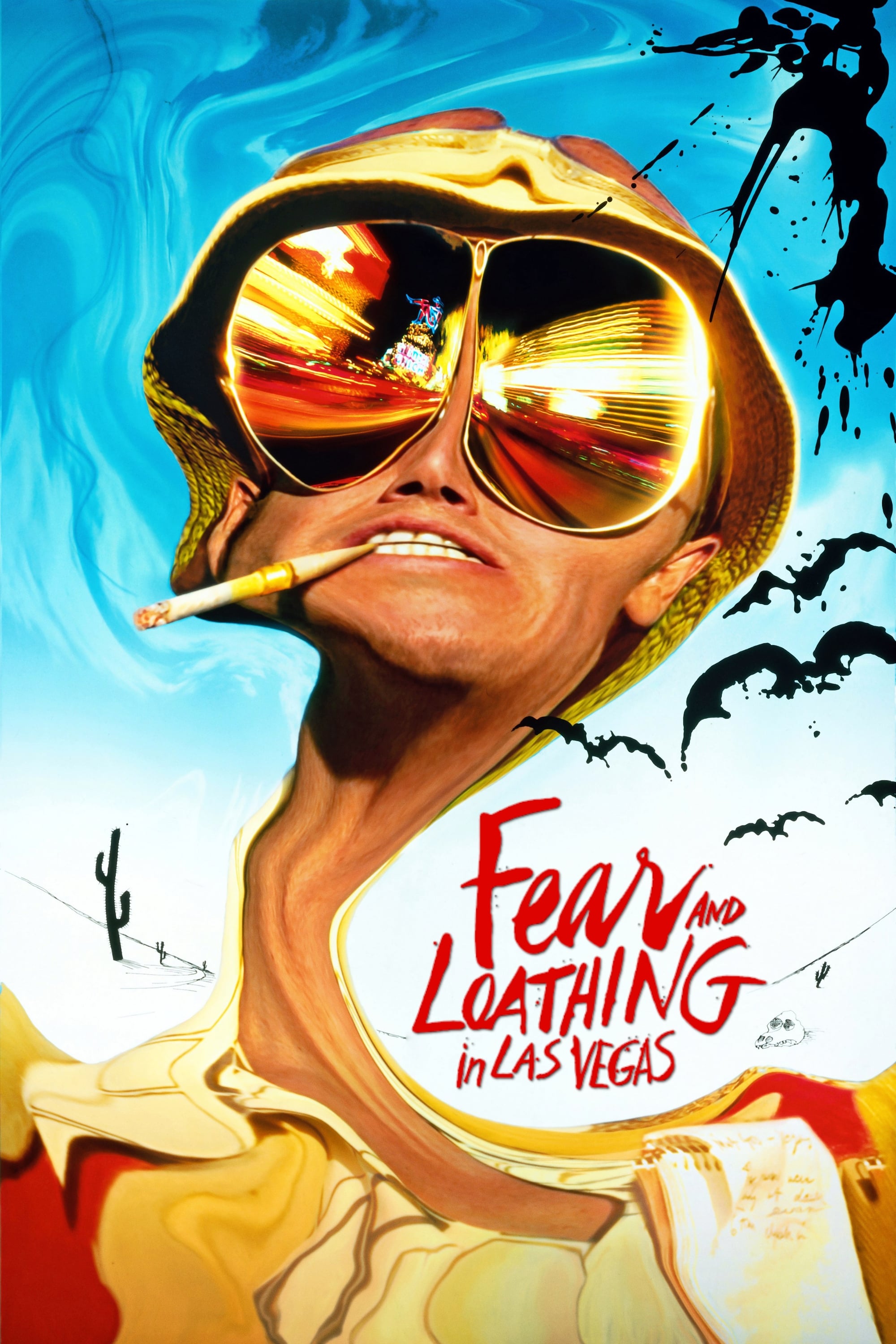
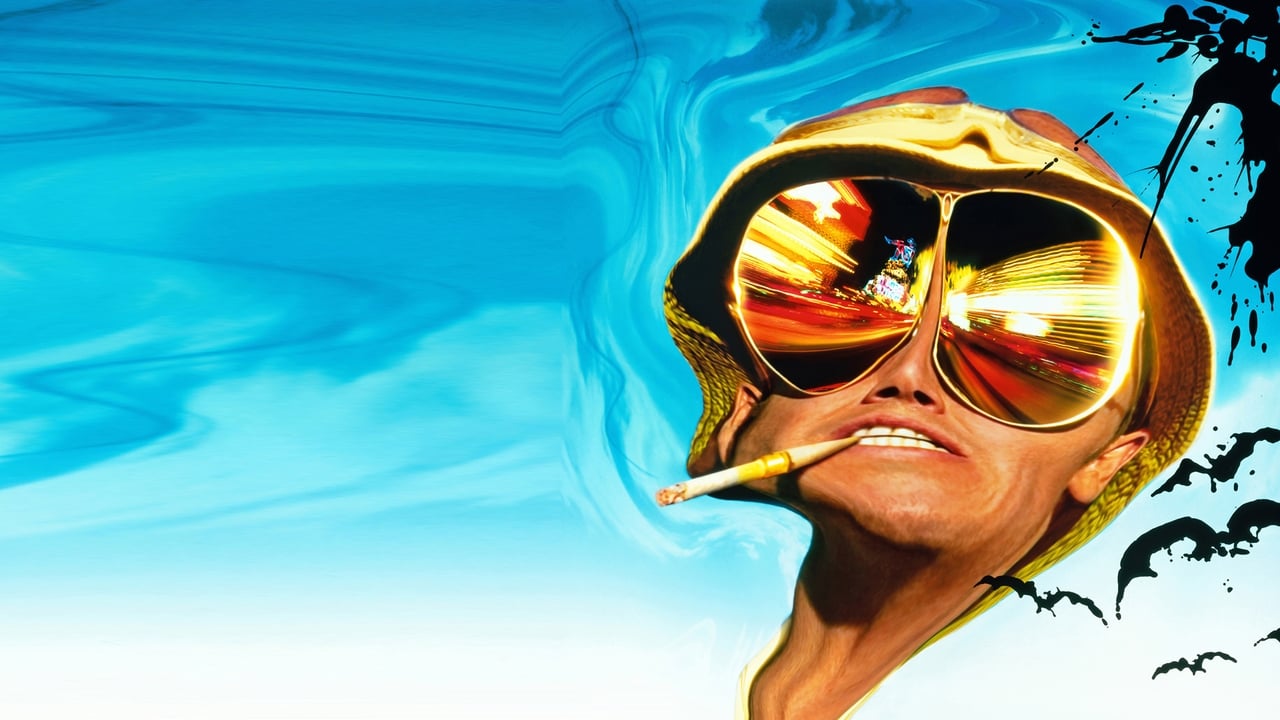
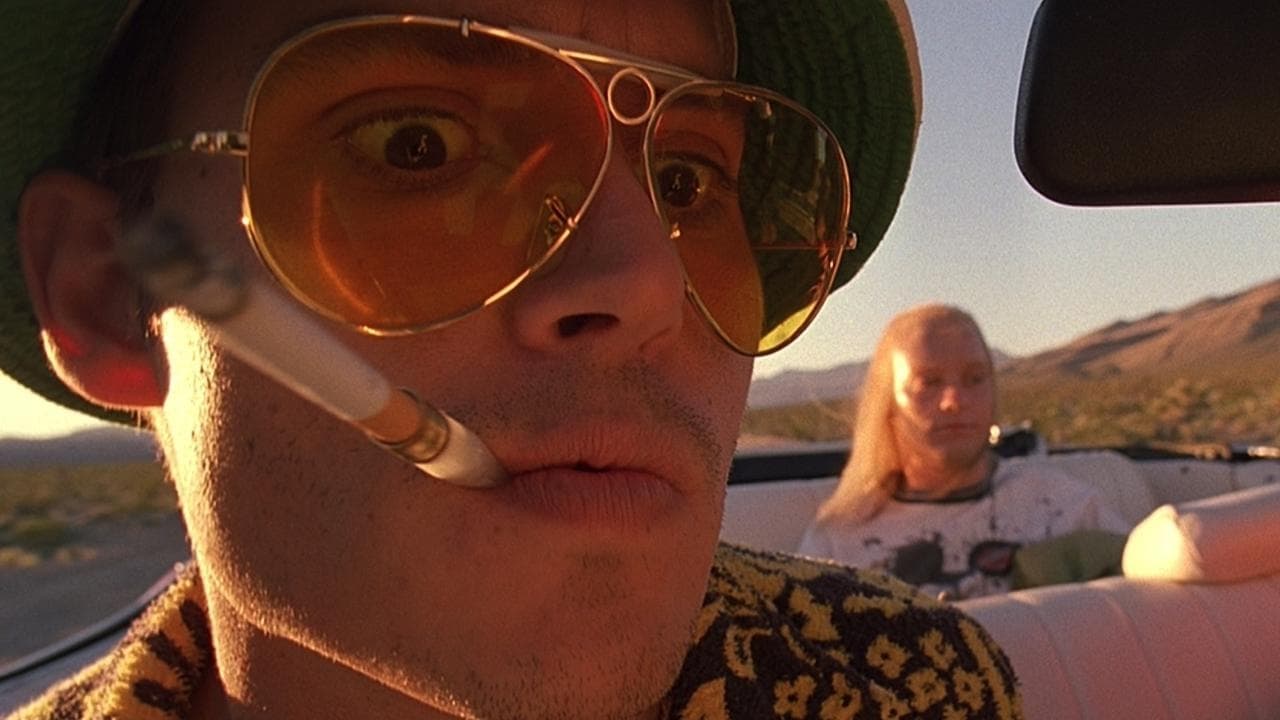
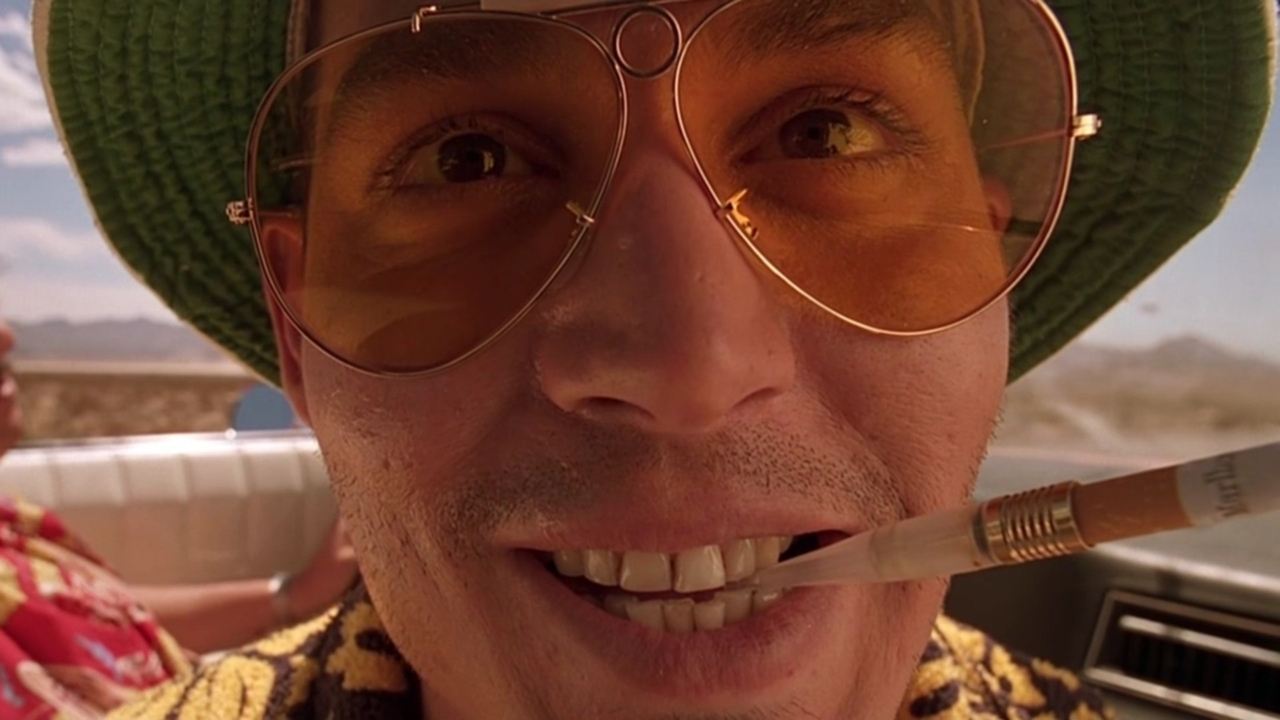
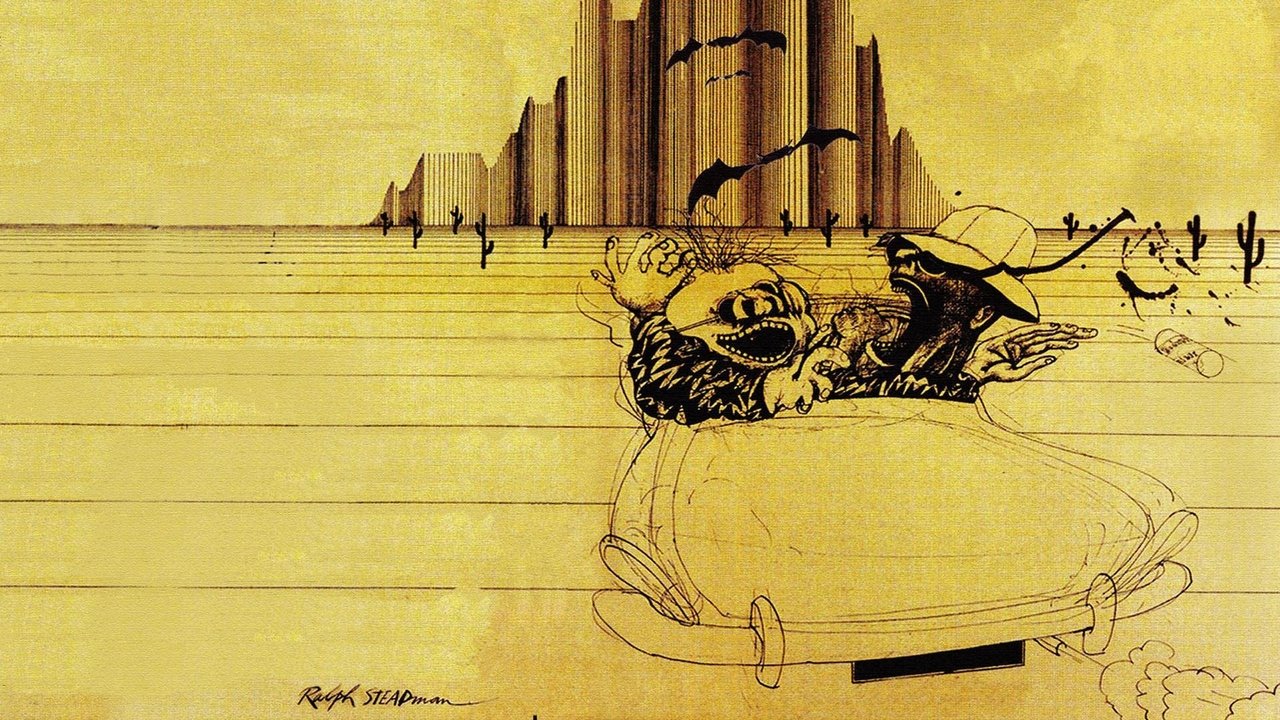
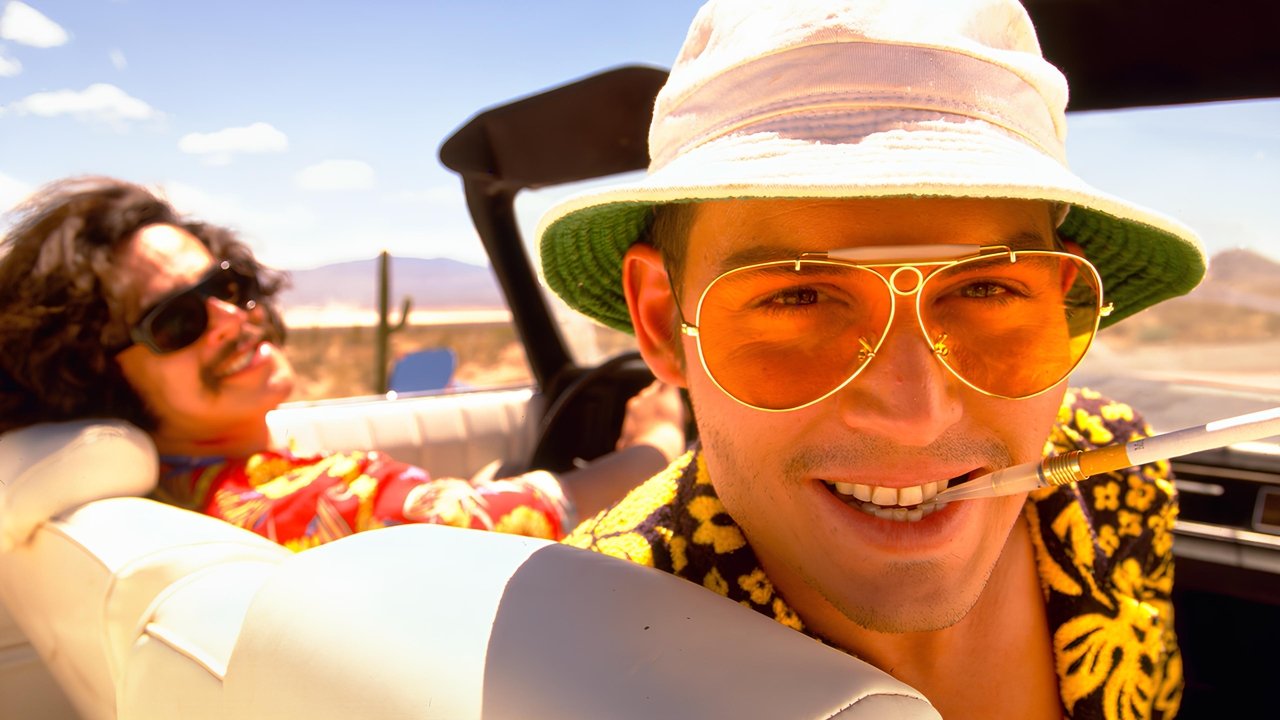
Terry Gilliam was perhaps the only director capable of bringing Hunter S. Thompson's 'unfilmable' book to life. The result is a movie that critics in 1998 mostly loathed, but audiences have since canonized as a psychedelic staple. It doesn't follow a traditional plot; it's a series of vignettes fueled by a suitcase full of illicit substances and a growing sense of dread.
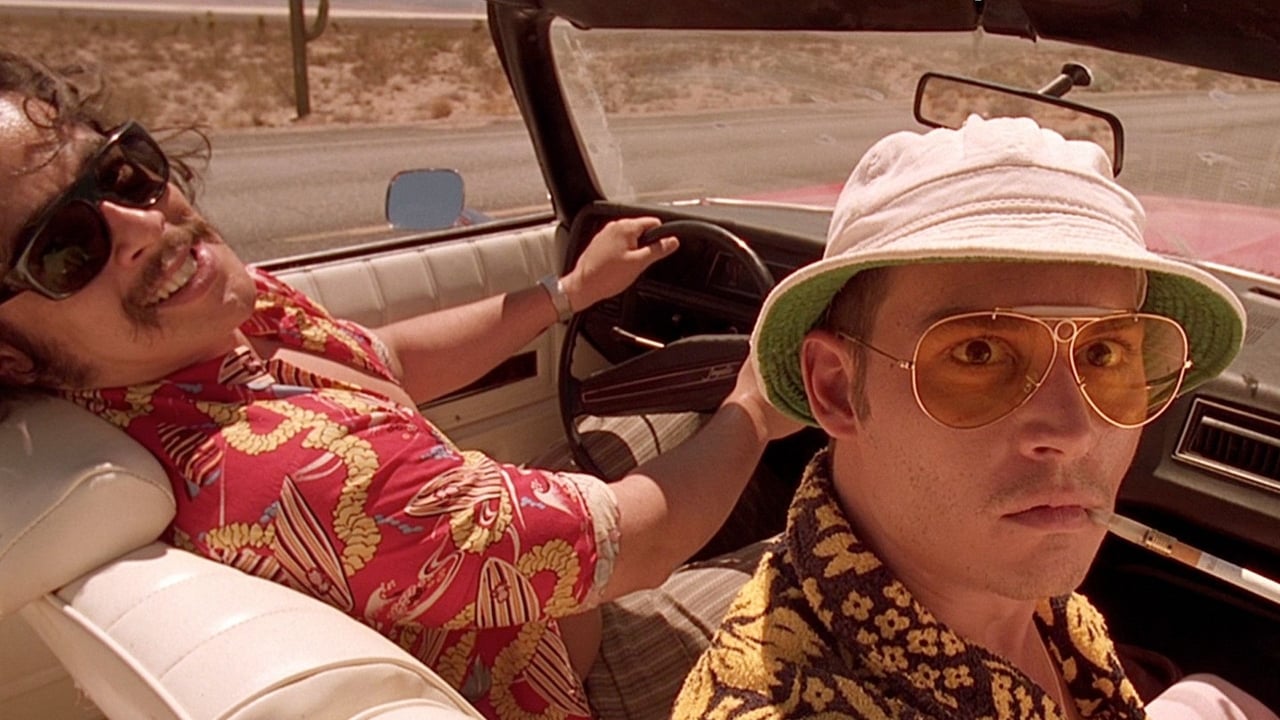
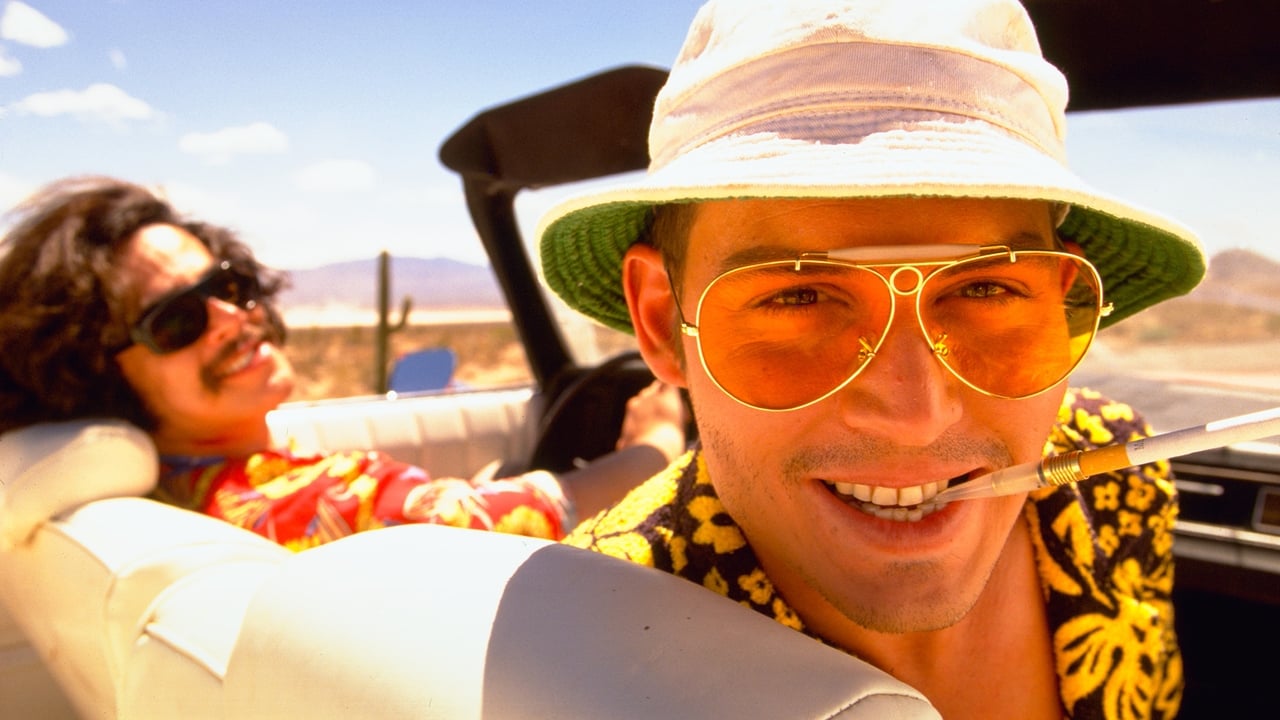
Johnny Depp spent months living in Thompson's basement to nail the role, and it shows. Every twitch, mumble, and cigarette-holder gesture feels authentic to the man who invented Gonzo journalism. Beside him, Benicio del Toro is genuinely terrifying as Dr. Gonzo, a character who embodies the dangerous, unpredictable edge of the drug culture the film explores.
Visual Storytelling as a Trip
Gilliam uses wide-angle lenses and 'Dutch angles' (tilted shots) to ensure the audience never feels stable. When the characters are on 'uppers,' the editing is frantic; when they hit 'downers,' the world stretches and melts. The famous lizard scene in the hotel lobby remains one of the most effective uses of practical and digital effects to convey a mental breakdown.
Why it's a difficult watch in 2026
While the artistry is undeniable, the film is a sensory assault. It is loud, dirty, and intentionally repulsive. For a modern audience, the casual mistreatment of women and service staff by the 'heroes' can be a hard pill to swallow, even if the film is critiquing that very behavior. It’s a movie that demands you be in a specific headspace to appreciate it, and for many families, that headspace is 'not with the kids.'