The Engineering of Rocky Falls
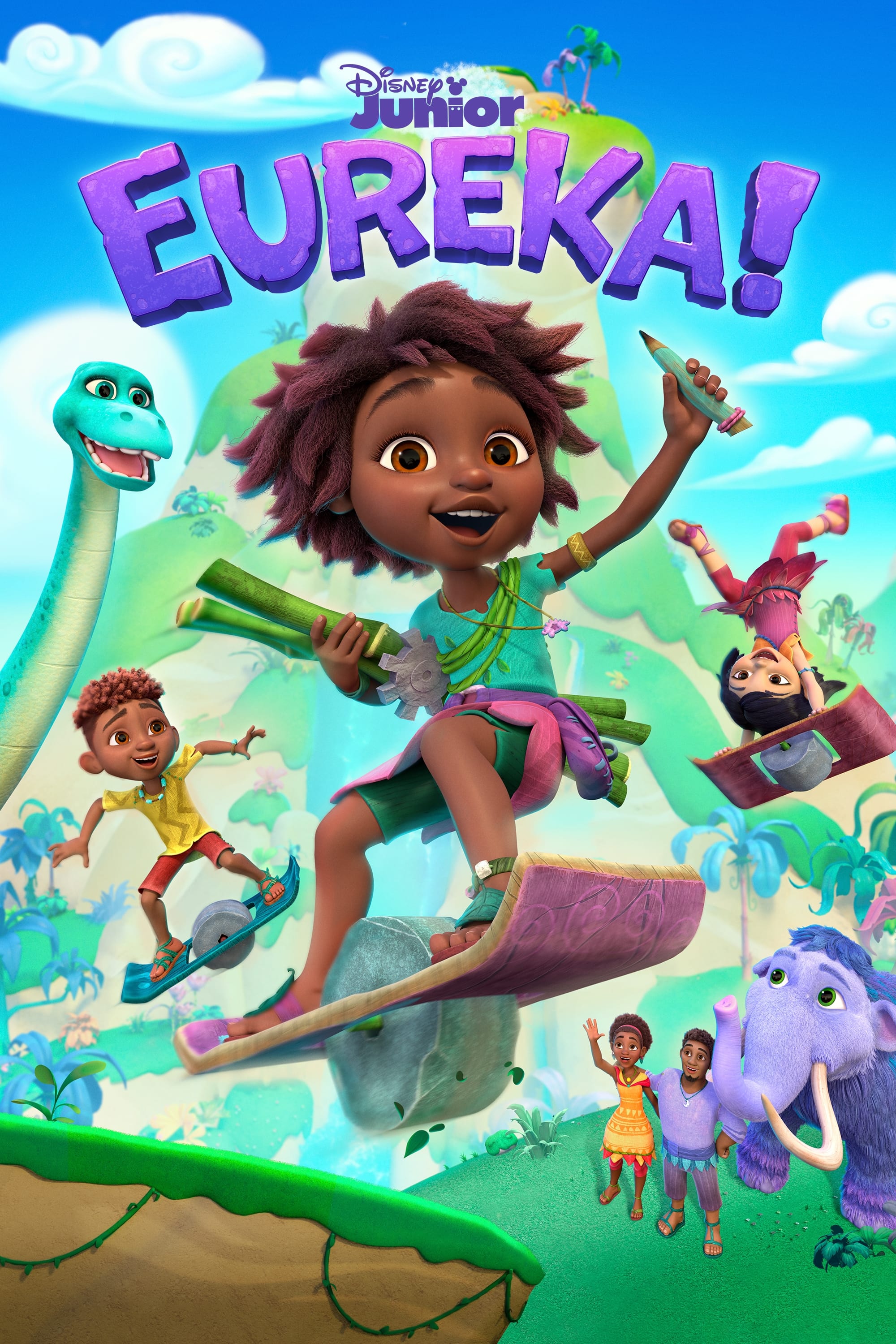
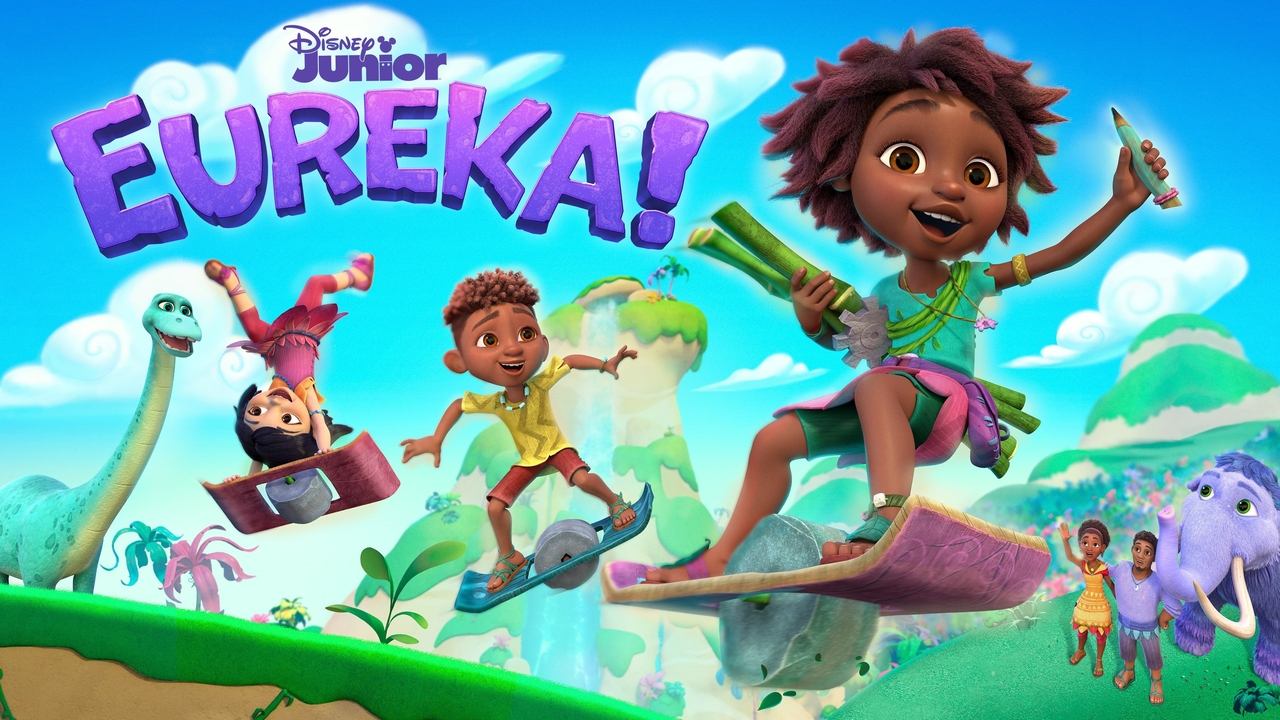
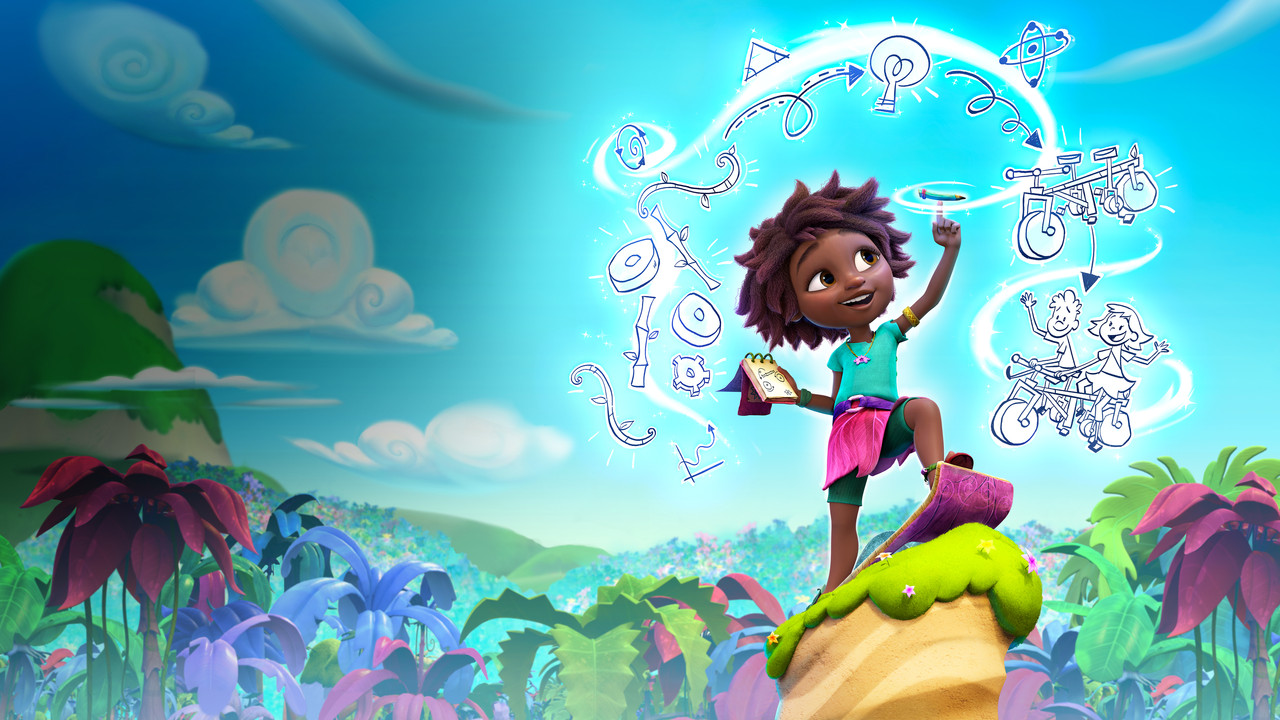
In a sea of preschool content that often relies on magic to solve problems, Eureka! stands out by leaning into logic—even if that logic involves a mammoth named Murphy. The show introduces the concept of 'Thinker-Iking,' which is basically a kid-friendly term for the engineering design process. Eureka doesn't just snap her fingers; she draws plans, tests materials, and almost always hits a snag that requires a rethink.
This focus on iteration is the show's secret weapon. In an age where kids can get frustrated when they don't master a skill or a game instantly, seeing a protagonist who views a broken invention as a 'puzzle to solve' rather than a failure is a great bit of mental modeling.
Why it works for parents
The parents in Rocky Falls—Roxy and Rollo—are refreshingly supportive. They run a cafe and a woodshop, providing a grounded (if stone-age) environment for Eureka's wild ideas. It’s the kind of show that makes you want to be the parent who says 'let's try it' instead of 'that's too messy.'
Compared to something like Ada Twist, Scientist, which is more grounded in real-world chemistry and physics, Eureka! is more about the spirit of invention. It’s more whimsical, which makes it a bit more accessible for the 3-year-olds who might find Ada's rapid-fire facts a bit overwhelming. It’s a great 'starter STEM' show that pairs well with a big bucket of LEGO or some recycled junk-modeling supplies.