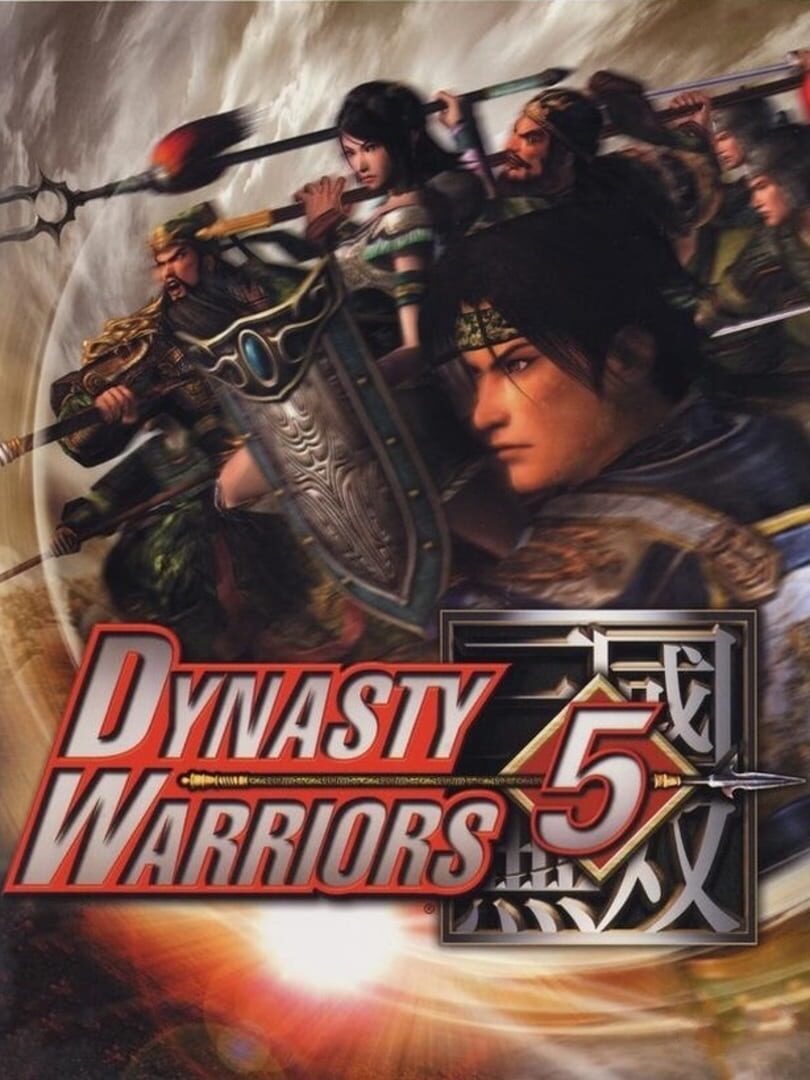
The "Musou" Formula at Its Simplest
Before Omega Force started lending their game engine to Nintendo for Hyrule Warriors and Fire Emblem Warriors, Dynasty Warriors 5 was the blueprint. In Japan, this style of game is called Musou (meaning "peerless" or "only one"). The appeal is pure arcade catharsis: while normal action games make you sweat over a single opponent, Dynasty Warriors lets you swing a giant halberd once and send twenty enemy soldiers tumbling across the screen like bowling pins.
Dynasty Warriors 5 improved on its predecessors by giving each of the 48 playable officers their own dedicated story mode (Musou Mode) instead of lumping them into one big kingdom campaign. That means you get personal perspectives on famous battles like Chibi (Red Cliffs) and Wuzhang Plains, narrated with earnest, melodramatic 2000s voice acting where everyone pronounces "Cao Cao" like "Cow Cow."
Why It Still Comes Up—and What to Play Instead
For a specific type of kid, this series is a Trojan horse for history. Luo Guanzhong's Romance of the Three Kingdoms is one of the pillars of Chinese literature, and Koei packed Dynasty Warriors 5 with an extensive in-game encyclopedia charting every battle, weapon, and officer biography. Plenty of teenagers in the mid-2000s ended up knowing the political alliances of 3rd-century warlords Liu Bei, Sun Quan, and Cao Cao better than their own social studies curriculum.
If you don't happen to have a working PlayStation 2 or original Xbox hooked up to the TV, there is no reason to hunt down old cables just for this entry. If a kid likes the idea of mowing down huge armies with a sibling in split-screen, point them toward the modern crossover games on Nintendo Switch—Hyrule Warriors: Definitive Edition or Fire Emblem Warriors: Three Hopes—which run on the exact same button-mashing DNA with decades of quality-of-life upgrades. If they specifically want the Three Kingdoms historical setting on modern hardware, 2025's Dynasty Warriors: Origins is the modern reboot built for current consoles.