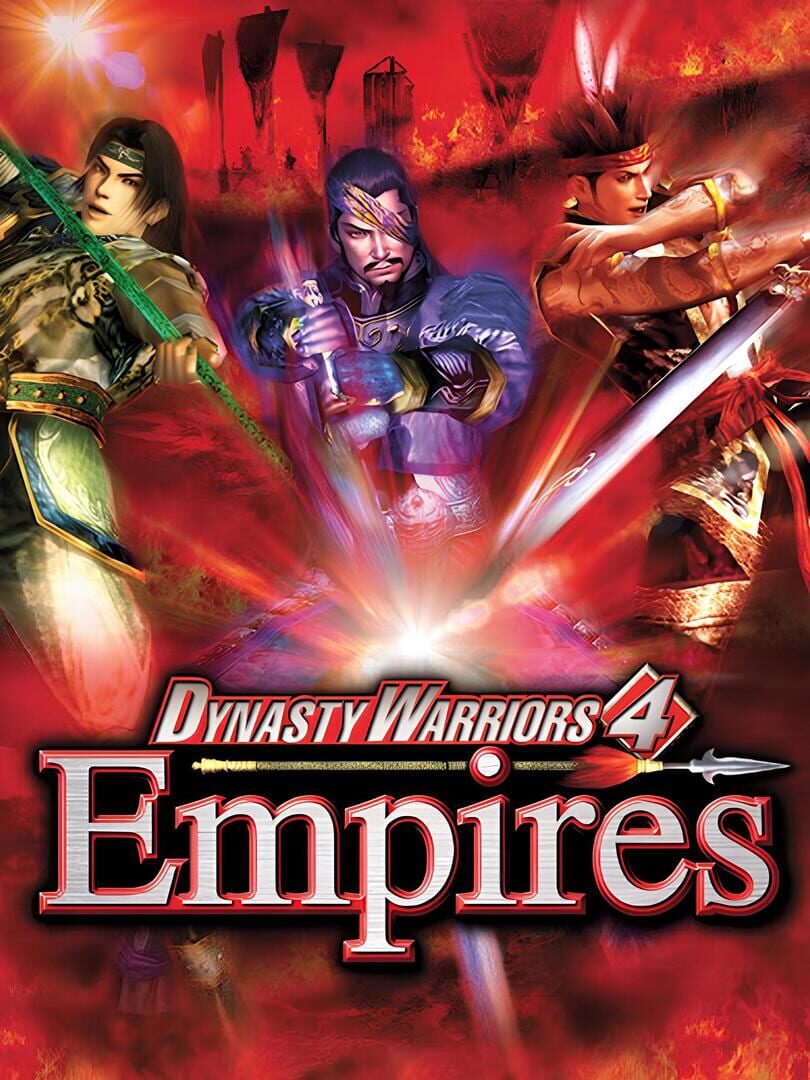
What the "Empires" label means
If you aren't steeped in Koei Tecmo history, the Dynasty Warriors franchise splits into three tracks: the numbered main games (story-driven button mashers), Xtreme Legends (hardcore challenge expansions), and Empires.
Dynasty Warriors 4: Empires was the very first time the series tried the Empires formula. Instead of replaying historical battles in order, the game drops you onto a map of ancient China divided into 24 territories. Every turn represents a season. Before fighting, your officers bring you four governing cards—things like hiring new generals, forging a temporary alliance with a neighbor, or boosting troop morale. Then you pick one province to invade or defend.
How it holds up today
Inside the battles, the tactical twist is that you can't just run straight at the enemy commander and win. You have to capture linked supply depots across the map to cut off enemy reinforcements, and if an officer gets defeated, they can be captured and recruited to your side after the match.
The concept is great, and it's why Koei still makes Empires games two decades later. The problem is the 2004 hardware ceiling. On the PS2, the game can only render a couple dozen soldiers on screen at once, so enemies pop in out of thin air right in front of your horse. Locking onto the right officer in a crowd is a wrestling match with the controller, and the English voice acting is legendary for being hilariously stiff.
Better modern alternatives
If your kid is drawn to the mix of big-picture map strategy and on-the-ground action, skip the PS2 archaeology:
- For Switch families: Fire Emblem Warriors: Three Houses (Three Hopes) or Hyrule Warriors: Age of Calamity deliver the exact same 1-vs-1,000 loop with modern controls, slick presentation, and characters kids recognize.
- For history buffs: If they specifically want the Romance of the Three Kingdoms setting with the turn-based conquest map, Dynasty Warriors 8: Empires or Dynasty Warriors 9: Empires run on modern consoles and PCs without the twenty-year-old camera headaches.