The "polite" friction
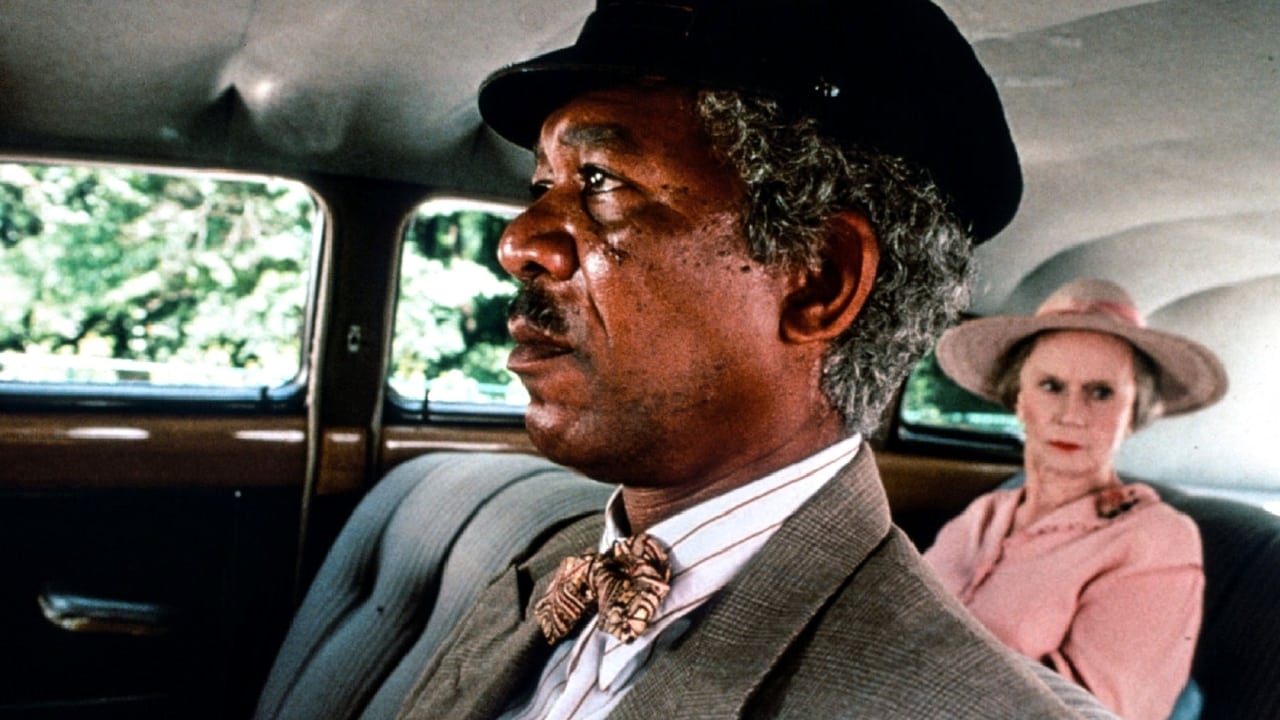
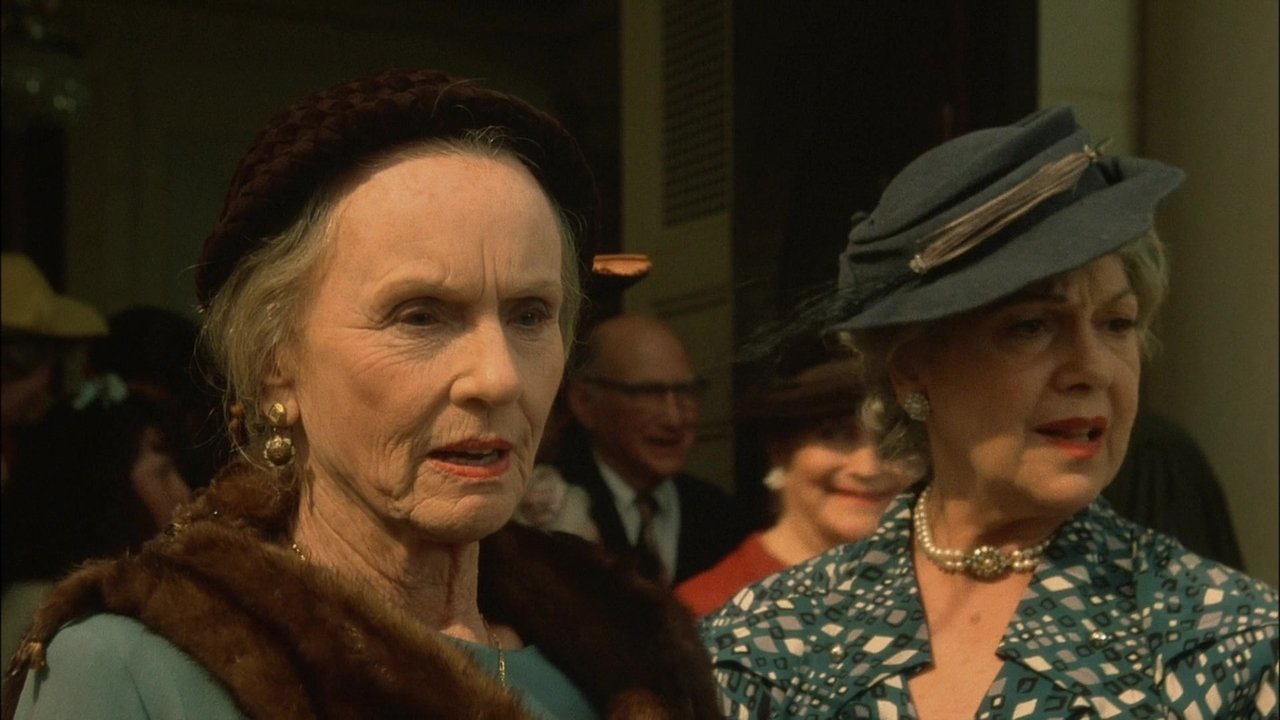
While the bullets mention the racial tension, what’s actually interesting for a modern viewer is how passive the conflict is. Unlike many Civil Rights movies that focus on marches or legislation, this is a movie about the dinner table and the driveway. It captures a very specific brand of Southern "politeness" that masks deep-seated prejudice. Daisy doesn't think she’s a bigot—she’s a self-proclaimed liberal—which makes her moments of condescension toward Hoke much more useful for a conversation with a teenager than a movie with a cartoonish villain. It’s a look at how people who think they are "the good guys" can still participate in a broken system.
The intersection of identity
The synopsis mentions Daisy is a Jewish widow, and that’s not just a background detail. There is a pivotal moment involving the bombing of a synagogue that shifts the dynamic. It’s one of the few times the movie acknowledges that Daisy and Hoke are both outsiders in the mid-century South, albeit in very different ways. For a kid who might only see "white vs. black" in history books, this adds a layer of complexity regarding how different marginalized groups navigated that era. It’s a subtle way to talk about how shared vulnerability can eventually lead to empathy, even if it takes twenty years to get there.
The car as a ticking clock
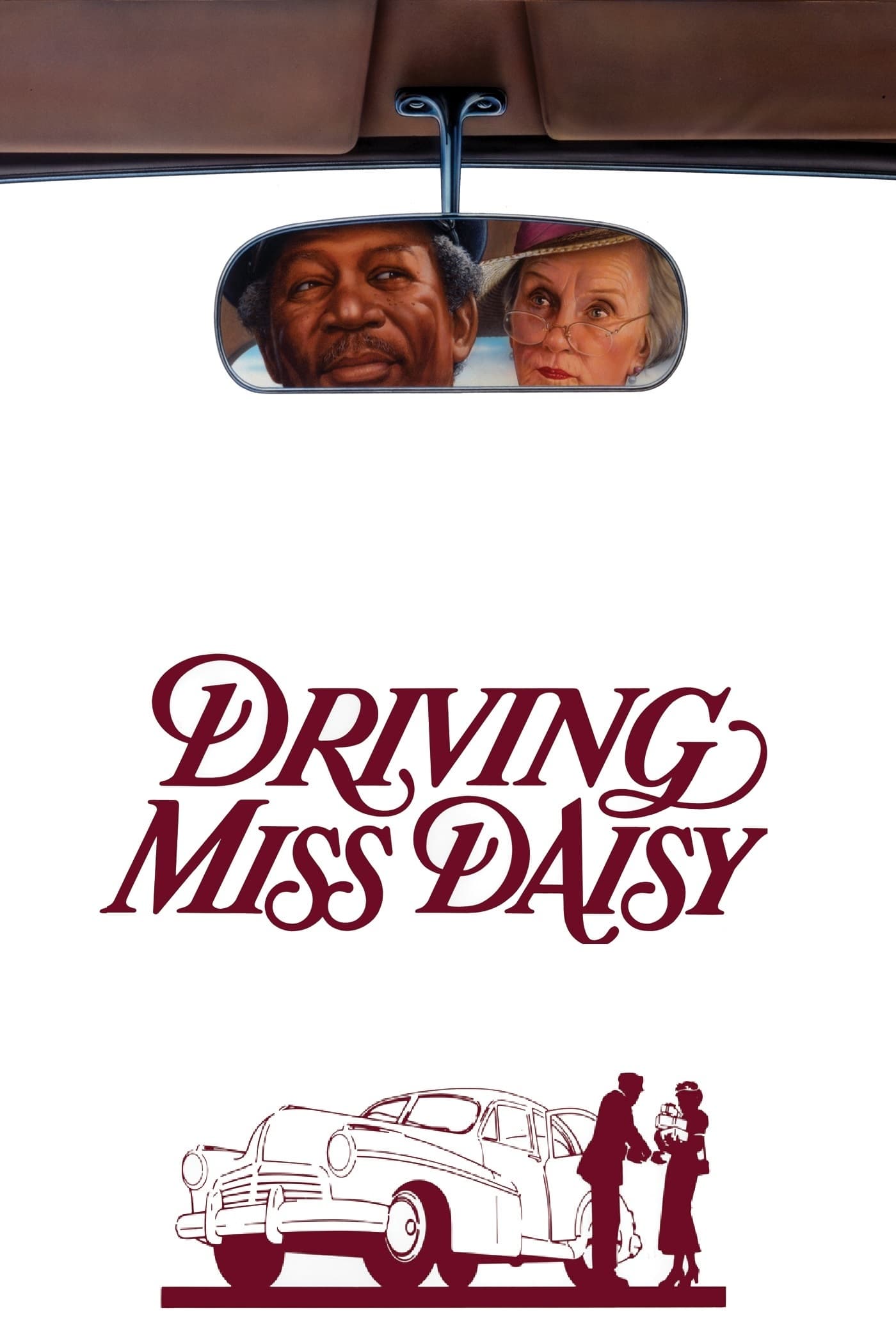
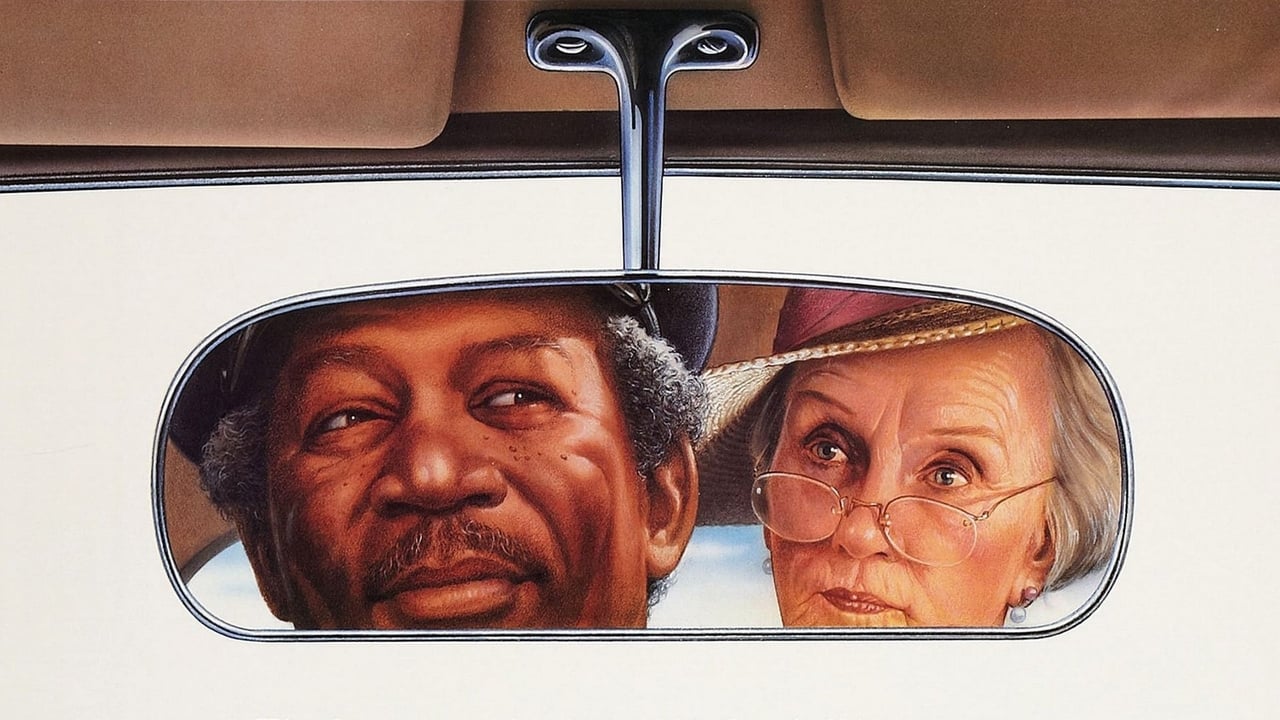
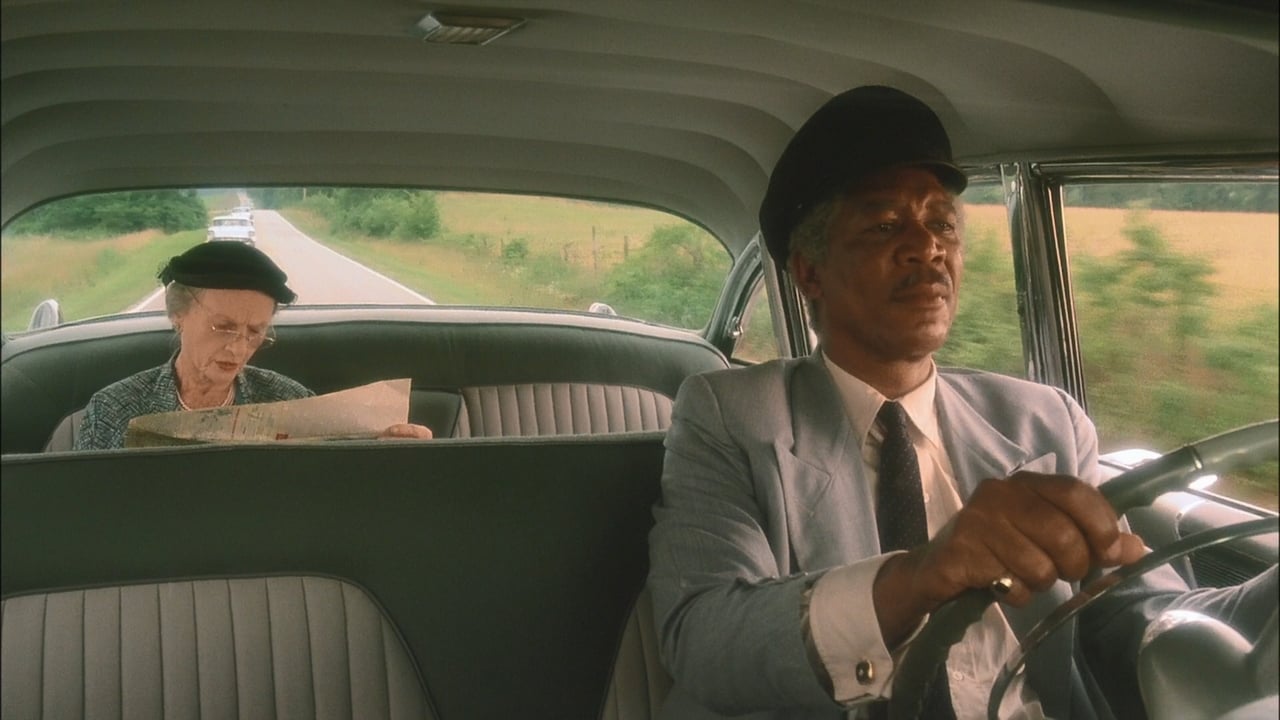
If you have a kid who is into vintage tech or cars, the Hudson Commodore and the various Cadillacs are the real stars here. But the car also serves as a brilliant metaphor for autonomy. The movie starts because Daisy is no longer allowed to drive, and it ends when she can barely move. In a world of fast-paced action movies, the slow, rhythmic shots of Hoke driving Daisy to the grocery store or the Piggly Wiggly emphasize how small and controlled their world is. It’s a great way to show kids how much "freedom" is tied to the ability to simply move from point A to point B without asking for permission.
If they liked The Green Book
If your family watched The Green Book or even something like The Help, this is the cinematic ancestor to those stories. It’s much quieter and less "Hollywood" than those newer entries, which might make it feel a bit dry, but it’s also less interested in giving the audience a big, heroic emotional payoff. It’s a "small" movie in every sense of the word. If you’re looking for a deeper dive into the era's social norms, checking the historical context on Common Sense Media can help bridge the gap between the 1980s filmmaking style and the 1950s setting. Just be prepared for the fact that the movie doesn't "move"—it simmers.