The sweet spot of early Dragon Ball Z
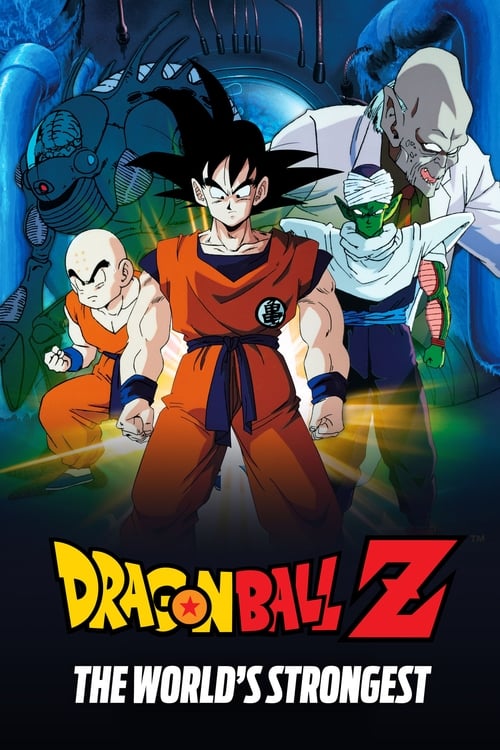
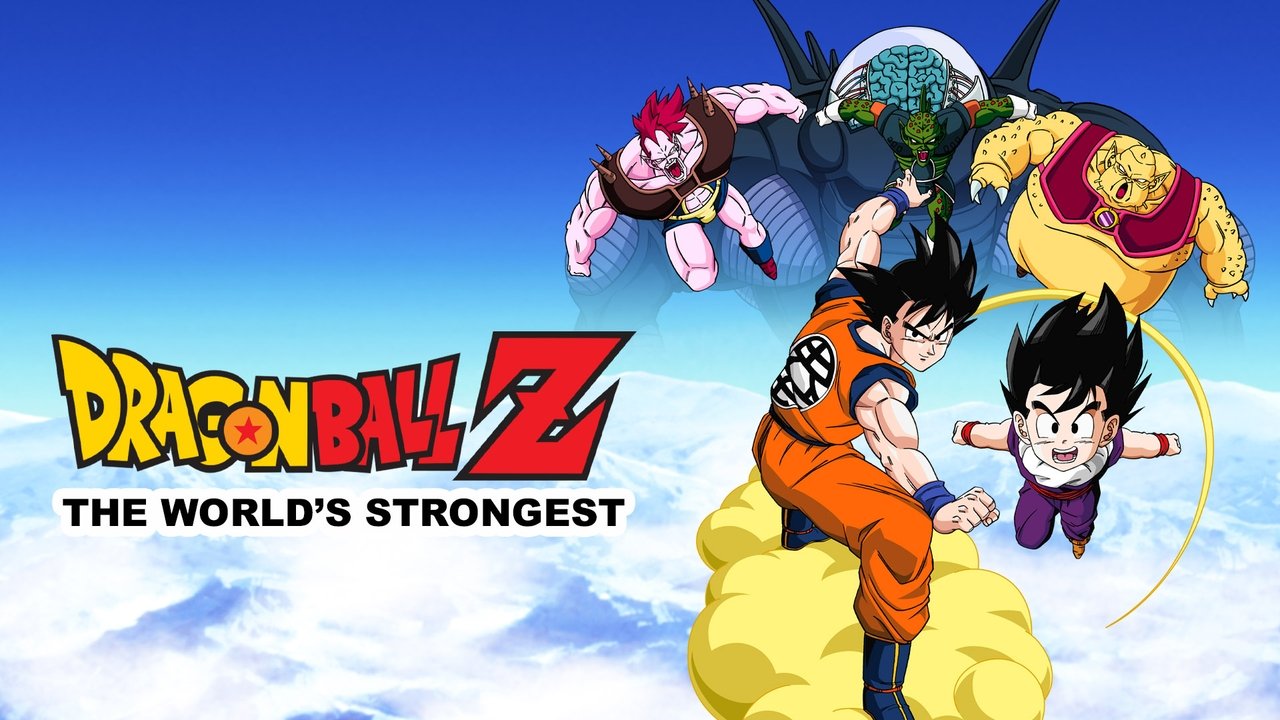
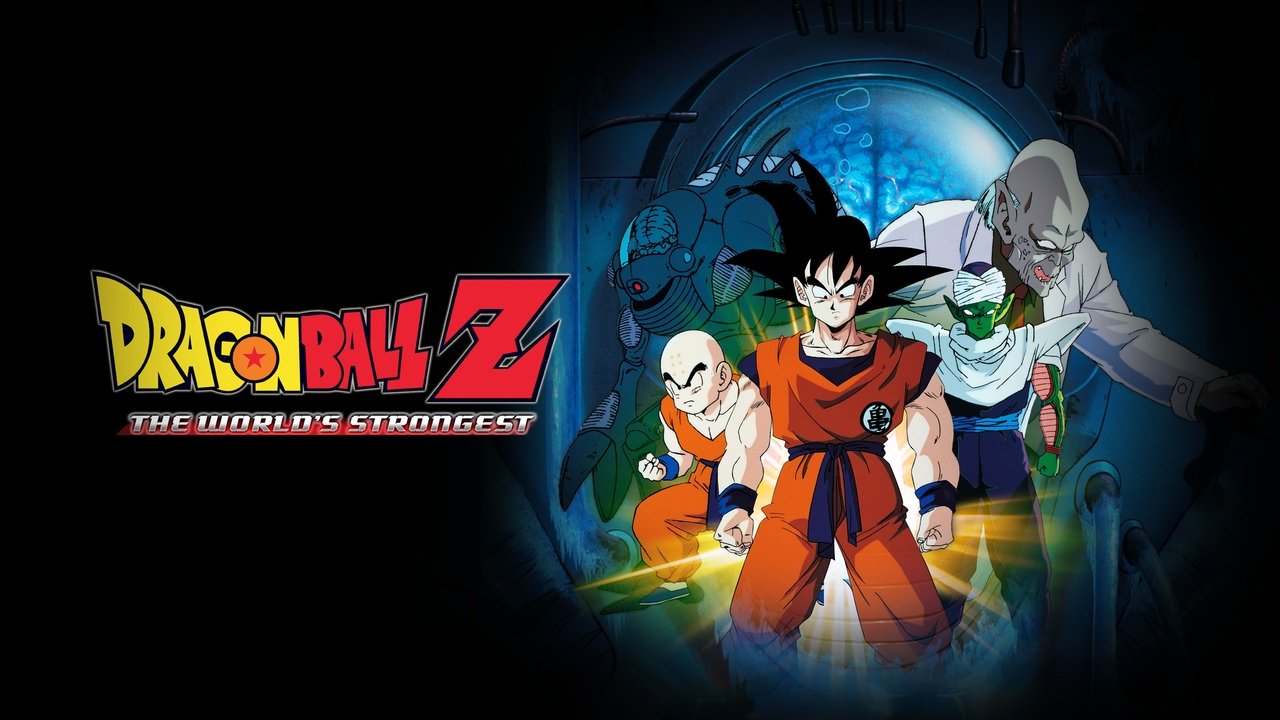
To understand why fans still bring up The World's Strongest over thirty years later, you have to look at when it was made. Released in Japan in 1990 as the second Dragon Ball Z theatrical feature, it captures the franchise right before Super Saiyans and planet-melting power scaling took over the story.
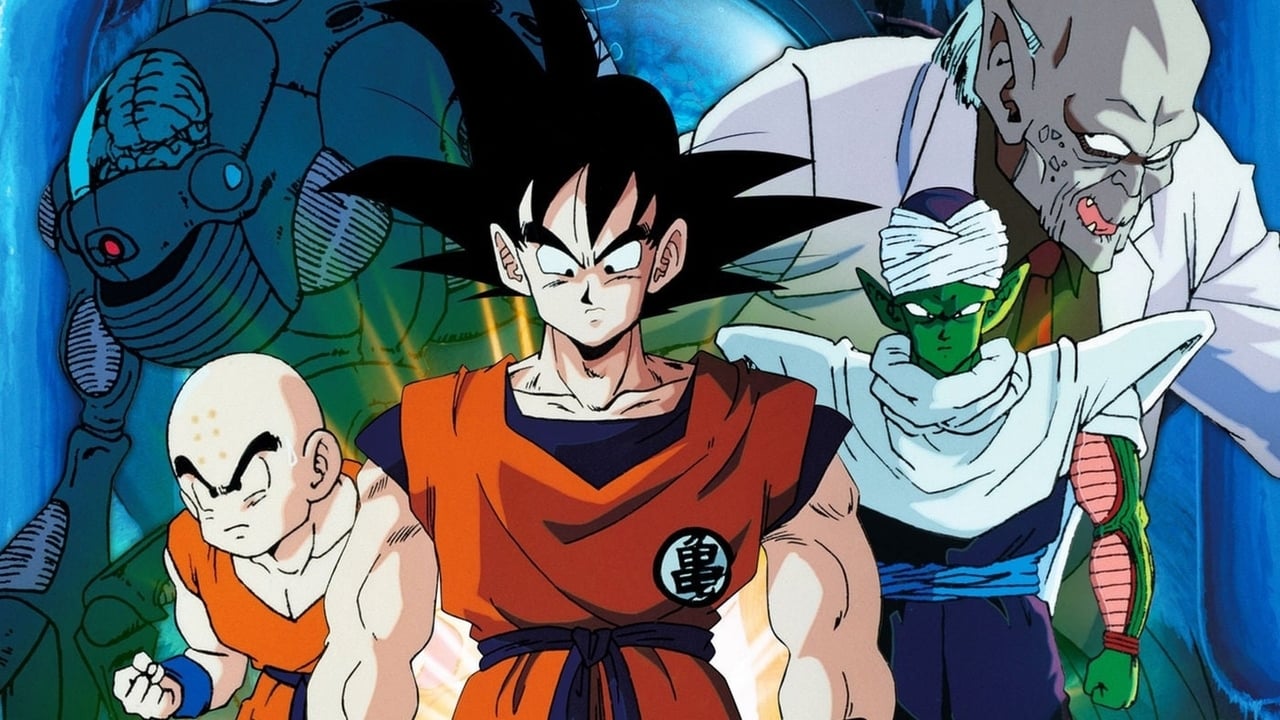
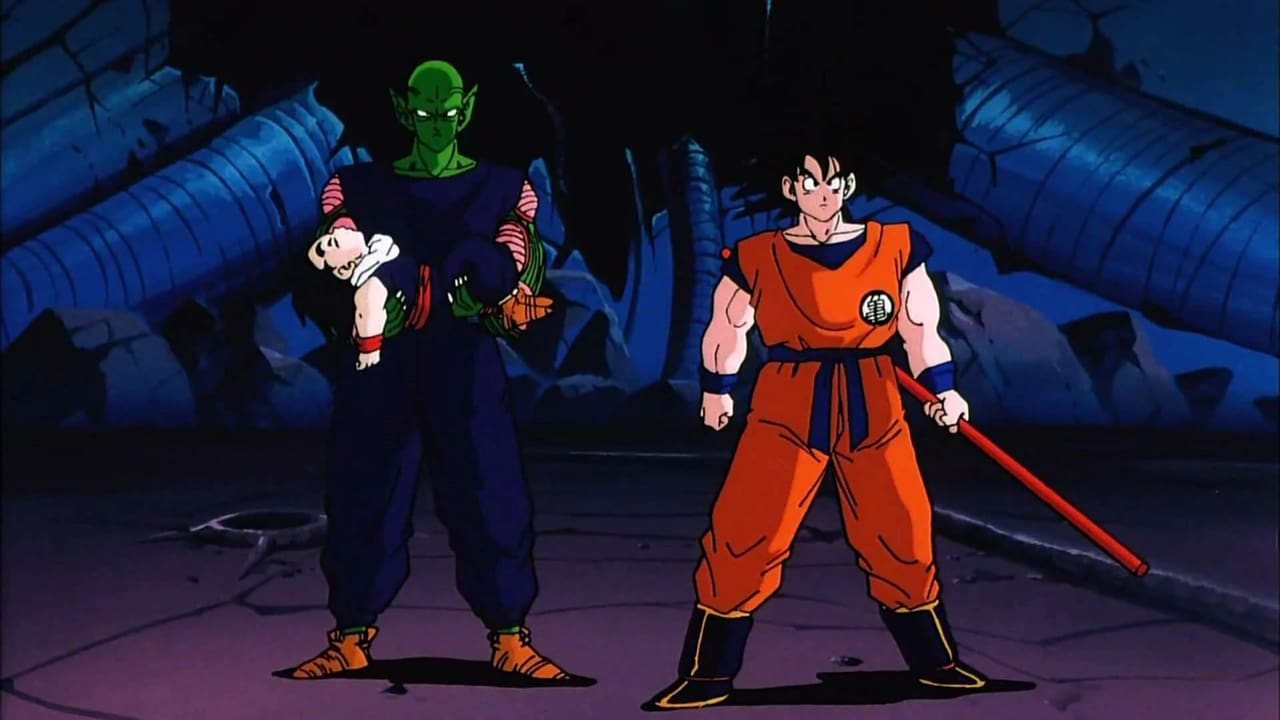
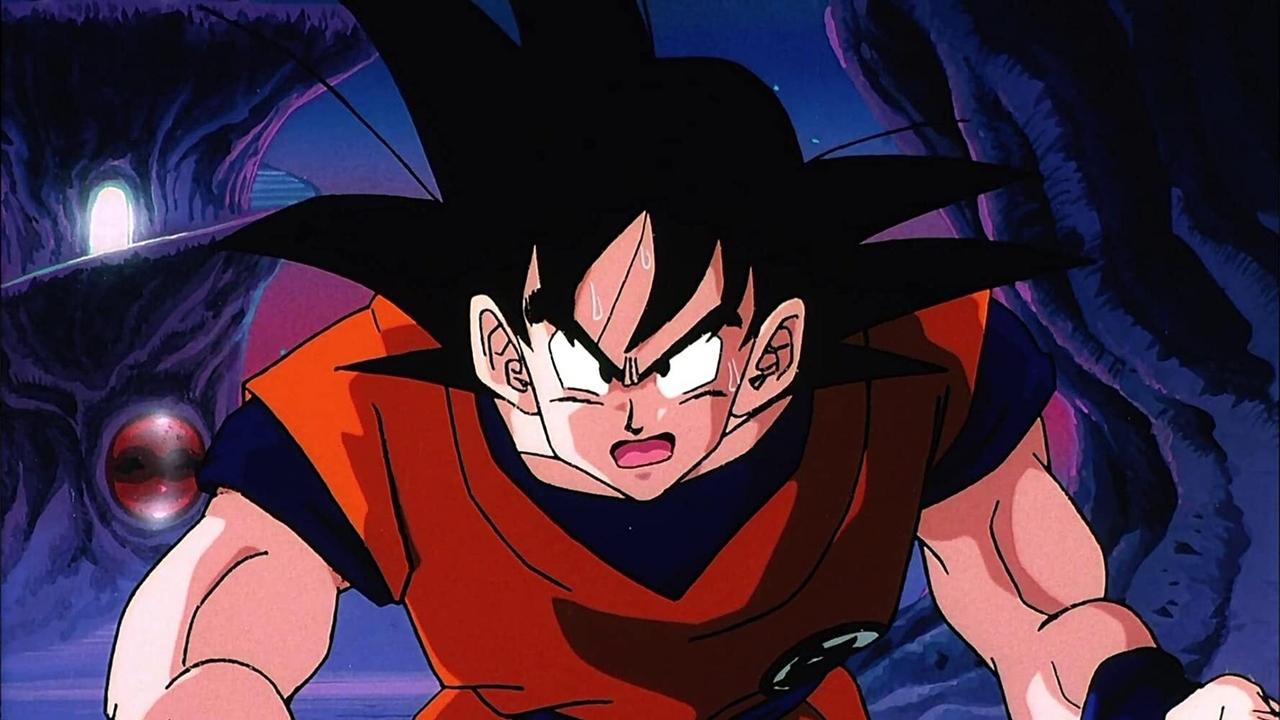
In the main television series, characters often spend three episodes charging a single attack while staring at each other across a wasteland. The theatrical movies from this era had to get in and out in an hour, forcing the animators to pack an entire arc's worth of choreography into a tight runtime. The fights in Dr. Wheelo's ice fortress feel heavy and physical. Goku, Krillin, and Roshi actually have to dodge, block, and use technique against Dr. Kochin's bio-warriors.
Which version are you watching?
Like most 90s anime brought to North America, The World's Strongest has a messy history of dubs and edits that can change what shows up on your screen:
- The 1998 Pioneer/Ocean Dub: The original English release (distributed with Toei's blessing before Funimation took over the whole catalog) features the early "Ocean Group" voice cast and keeps the original Japanese musical score by Shunsuke Kikuchi, which sounds like a 1970s kung-fu movie.
- The Uncut Funimation Dub: Uses the familiar English voice cast most kids know today. In uncut streaming or Blu-ray versions, you will get the brief comedic nudity with young Gohan and a few slightly harsher lines of dialogue that were scrubbed from old TV broadcasts.
Does it fit into the main story?
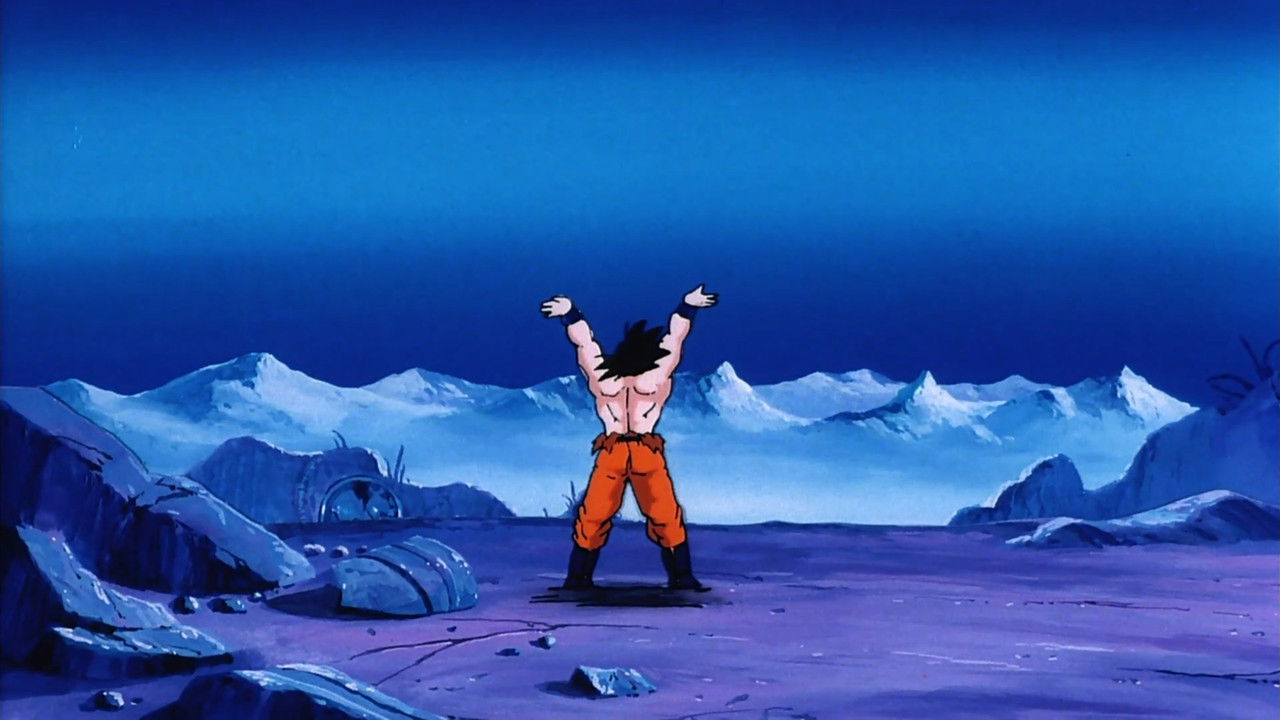
If your kid is trying to figure out how this fits into the main Dragon Ball Z timeline, save them the headache: it doesn't. Like almost all of the 90s DBZ movies, it exists in a parallel "what-if" pocket universe. Goku knows the Kaio-ken and Spirit Bomb, yet Piccolo and Kami are somehow alive while everyone is still hanging out on Earth instead of heading to Namek. Treat it as a standalone side quest.