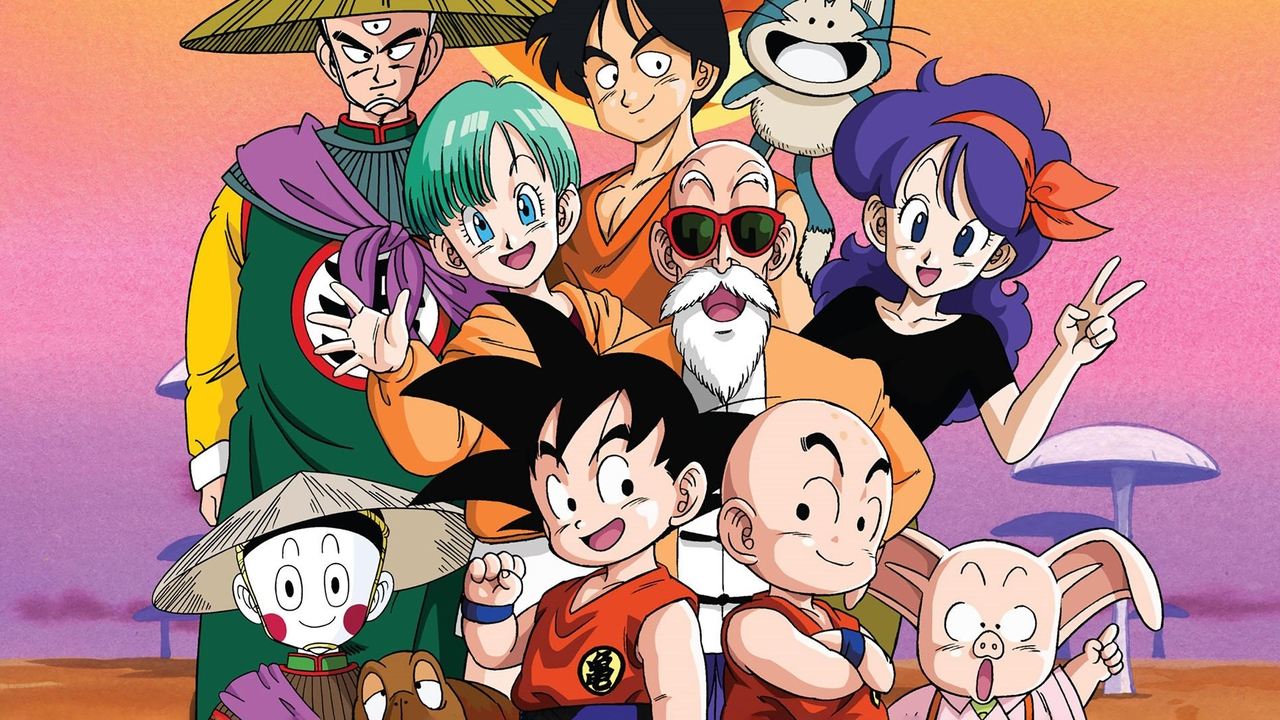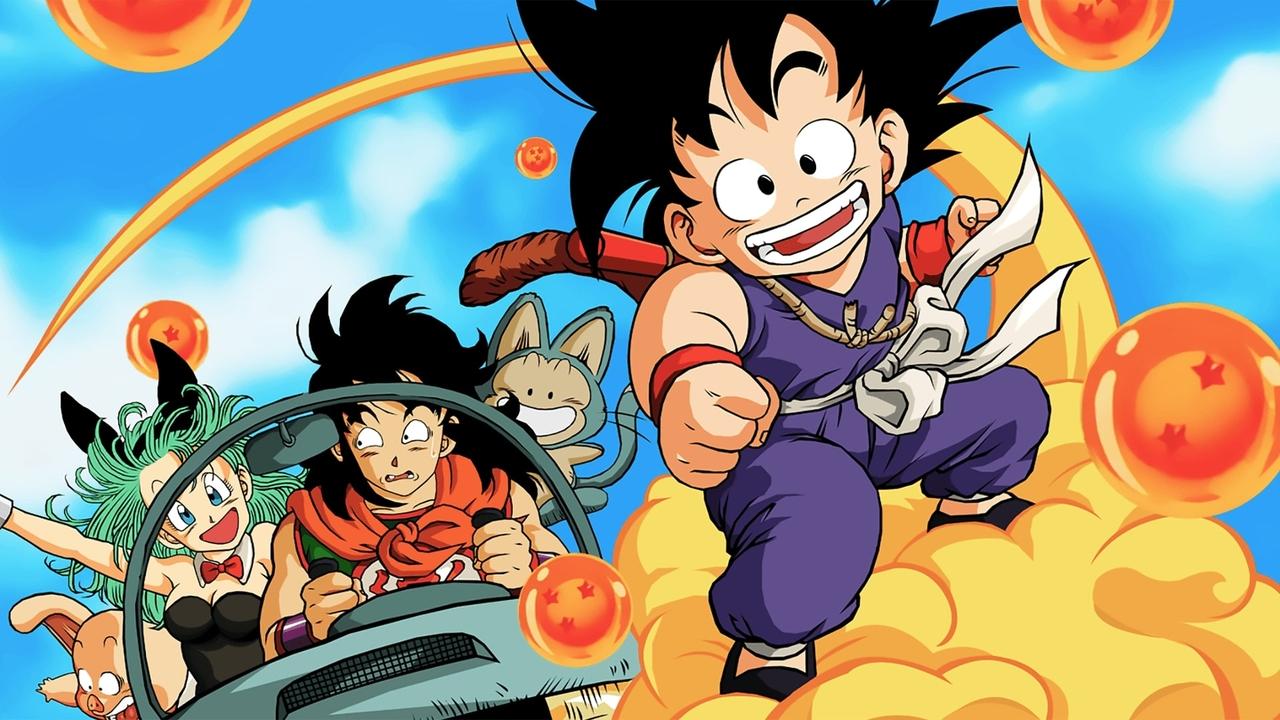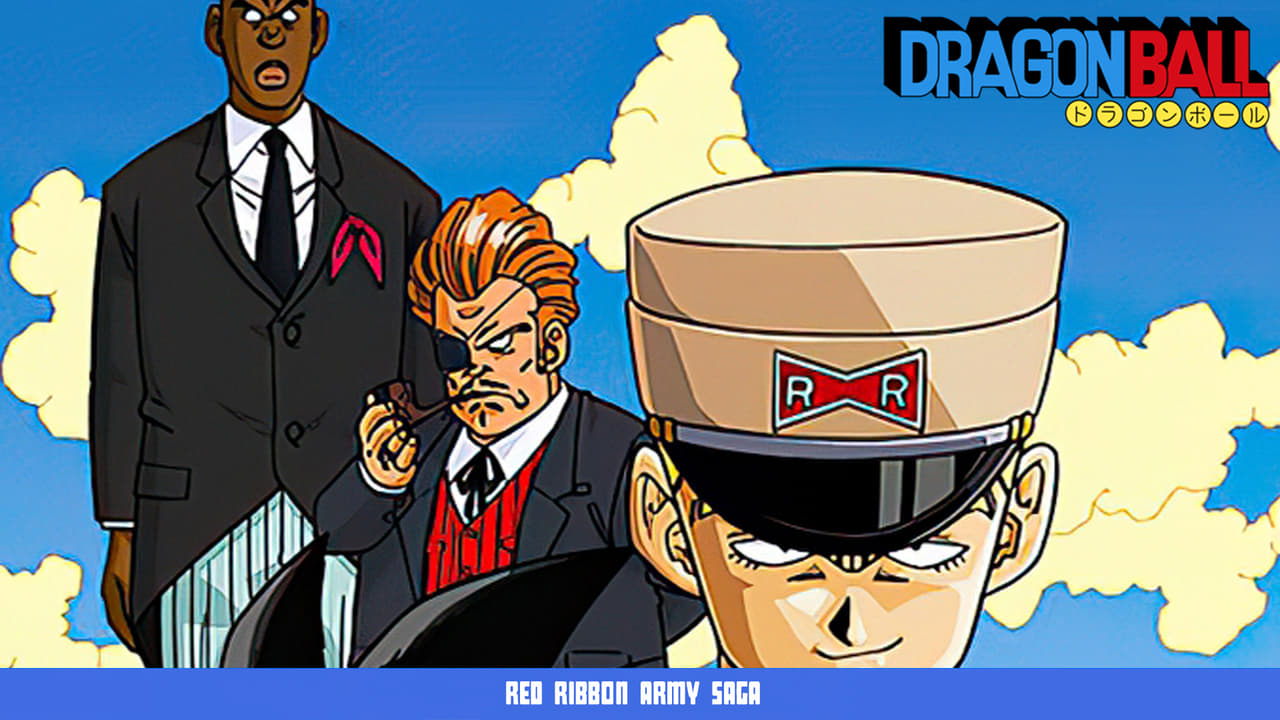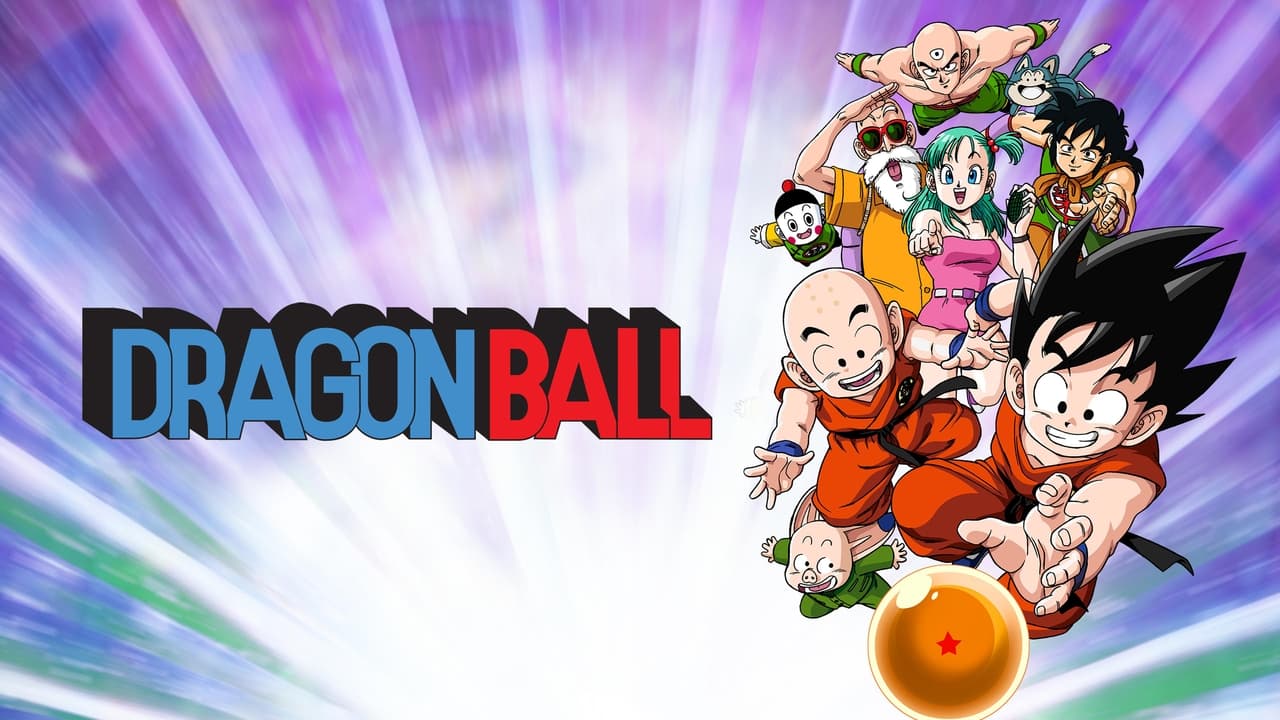

Dragon Ball

Dragon Ball

show

TV-PG, 1986

WISE
82%

WISE Score

8.5

IMDb

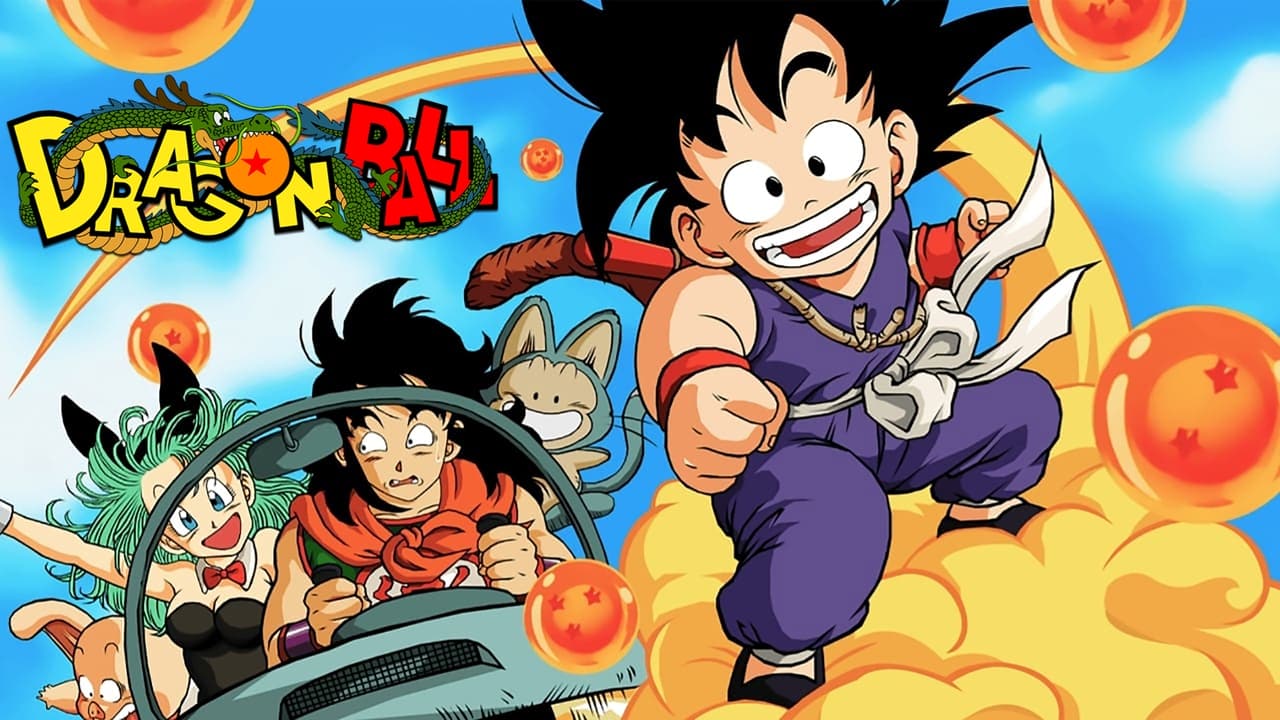
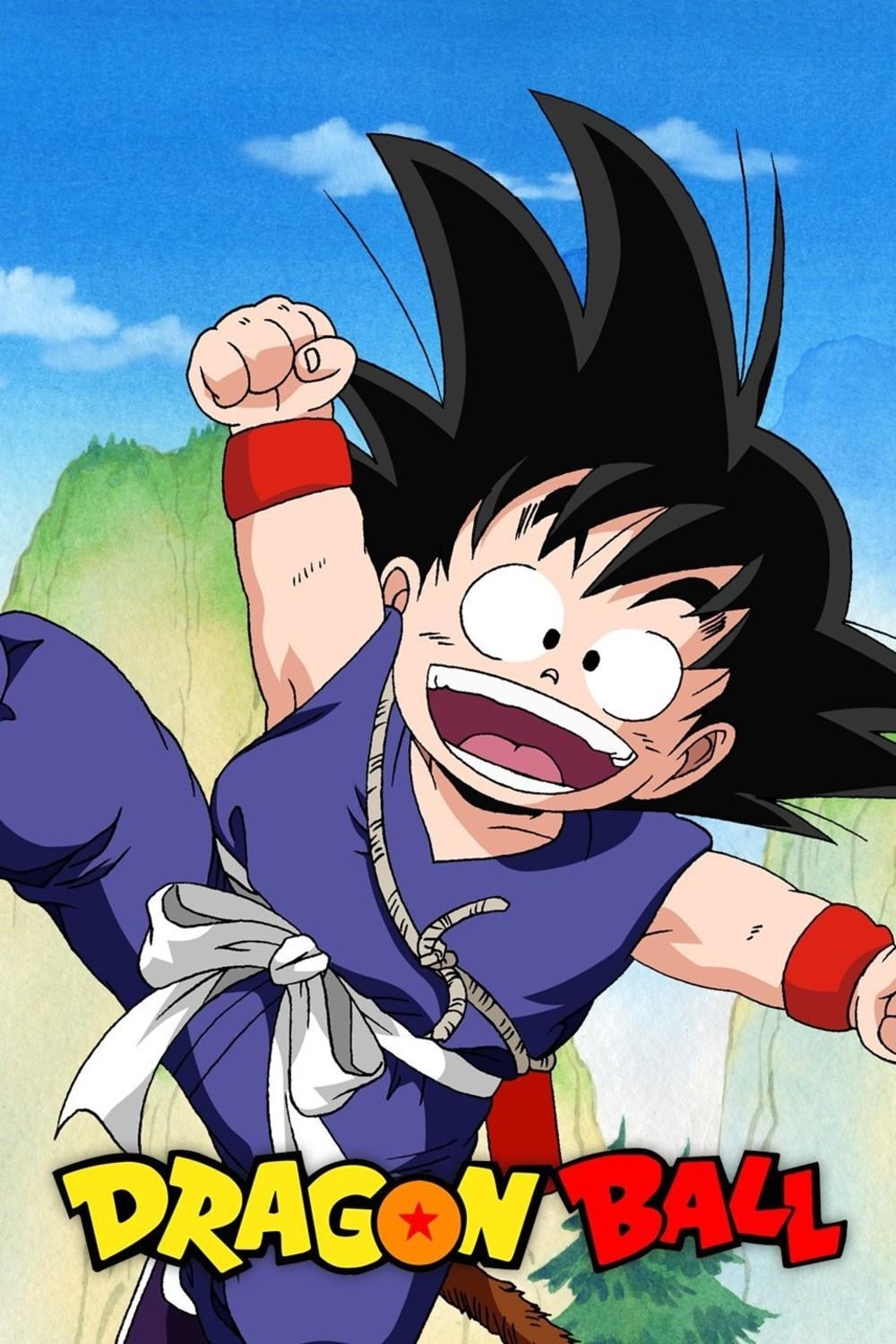
Before the world-ending power levels and blonde hair, Dragon Ball was a weird, charming, and occasionally crude adventure about a boy with a tail.

IMDb8.5
Common Sense Media
Where to Watch
Loading streaming options...
Screenwise Verdict

Dragon Ball is the blueprint for almost every action anime your kid likes today. It’s funny, adventurous, and surprisingly heart-filled. However, it’s also a product of 1986 Japan, which means it carries some baggage—specifically a brand of 'pervy' humor that feels incredibly dated and out of sync with modern boundaries.

If you can navigate the Master Roshi nonsense, you’re left with a stellar story about a kid who just wants to get stronger and do the right thing. It's a much better starting point than jumping straight into the screaming matches of Dragon Ball Z.
Age Fit

Perfect for 10-year-olds who have outgrown 'little kid' cartoons but aren't quite ready for the heavy gore of seinen anime. Adults will find it a nostalgic, though occasionally cringey, trip down memory lane.

WISE Breakdown
Wholesome
62

Goku is the definition of pure-hearted, but the show is dragged down by a relentless amount of 'dirty old man' humor involving Master Roshi that hasn't aged well.

Imaginative
94

Akira Toriyama's world-building is legendary. From the Hoi-Poi capsules to the unique martial arts and the mythology of the dragon, it is a creative goldmine.

Safe
65

While the violence is mostly cartoonish, there is a surprising amount of brief nudity (mostly Goku bathing) and highly inappropriate sexual 'jokes' targeting the female lead, Bulma.

Enriching
78

It models the value of hard work, discipline, and the idea that there is always someone stronger to learn from. It's a masterclass in the 'hero's journey.'

Parent Info
✓

Why It Might Be Great

  • Goku's innocence is genuinely funny and sweet, providing a grounded center to the increasingly wild martial arts action.
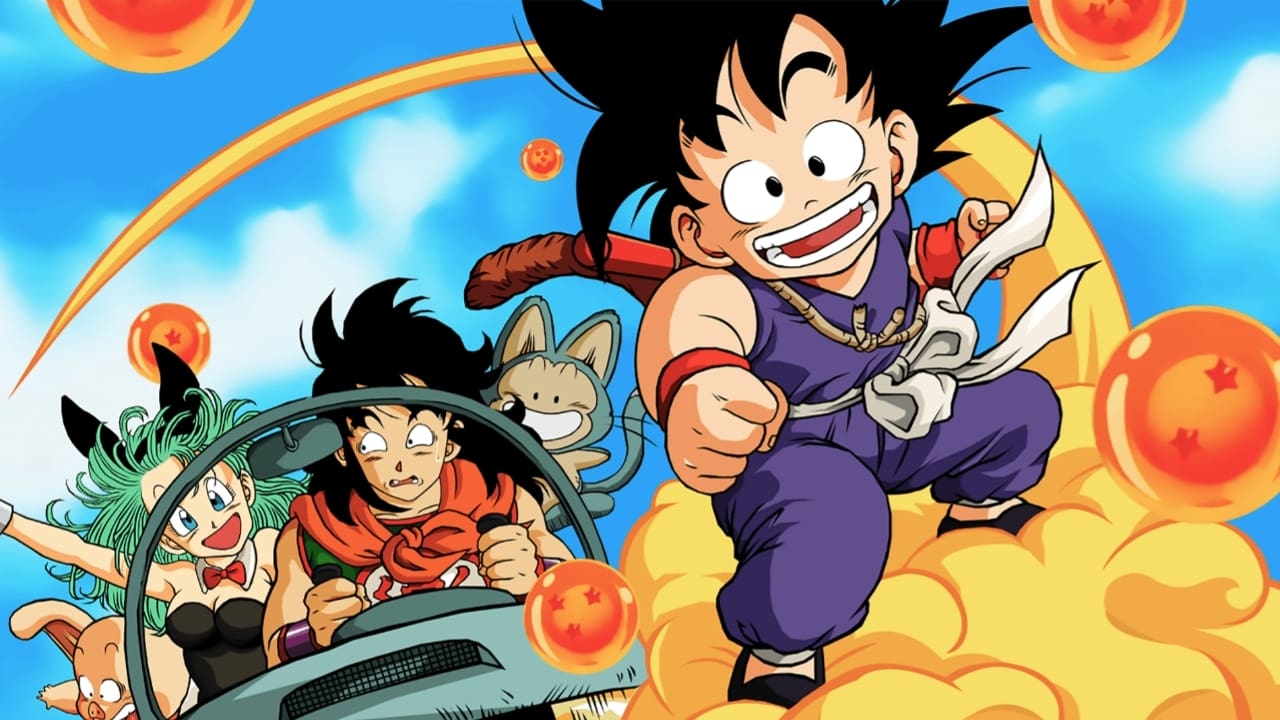
  • The sense of adventure is much stronger here than in later series; it's a road trip across a bizarre, imaginative world.
  • It teaches grit and growth—watching Goku train and fail before succeeding is more rewarding than the instant power-ups of modern shows.
  • The art style is iconic and vibrant, standing out from the generic look of many modern digital animes.
⚠

What to Watch For

  • Master Roshi is a perpetual creep. His 'humor' involves trying to peek at Bulma or touching her inappropriately, which is played for laughs.
  • Early episodes feature anatomical curiosity. Goku, having lived alone, doesn't understand the difference between boys and girls and occasionally checks 'manually,' which can be jarring.
  • The pacing is 1980s slow. Modern kids used to Demon Slayer might find the three-episode treks across a forest a bit of a slog.

Conversation Starters

  • "Why do you think Goku is so much happier than the villains he fights?"
  • "Master Roshi is supposed to be a 'wise teacher,' but he does some pretty gross things. How do we handle people who are talented but act badly?"
  • "If you could have one wish from Shenron, would you use it for yourself or for everyone?"
  • "Bulma is a genius scientist. Do you think she gets enough credit for the quest's success compared to Goku's fighting?"

Deep Dive

The Foundation of Shonen

Before it became a franchise about muscular men screaming until their hair changed color, Dragon Ball was a loose, wacky adaptation of the Chinese classic Journey to the West. This original run is often overlooked by modern fans who go straight for the 'Z' era, but that's a mistake. The original series has a charm and a sense of discovery that the later, combat-heavy iterations lose.

The Roshi Elephant in the Room

You have to talk about Master Roshi. In the 80s, the 'dirty old man' was a standard anime trope. In 2026, he’s just a guy who needs to be on a registry. He frequently tries to bribe Bulma into showing him her underwear or makes unwanted advances. If you’re watching this with a 10-year-old, it’s the perfect (if annoying) time to discuss why that behavior is garbage, even if the show treats it as a joke.

Why it Still Works

Despite the dated bits, the core of the show is bulletproof. Goku is an all-time great protagonist because he isn't motivated by angst or revenge—he’s just a curious kid who loves a challenge. The progression of his skills feels earned. When he finally masters a technique like the Kamehameha, the audience feels the payoff because they saw the work. For a generation of kids used to 'overpowered' protagonists who win by default, Goku’s journey is a healthy reminder that even the best have to start at zero.

What Parents Ask

Stills
Dragon Ball — still 1
Dragon Ball — still 2
Dragon Ball — still 3
Dragon Ball — still 4
Dragon Ball — still 5
Dragon Ball — still 6
Dragon Ball — still 7
Dragon Ball — still 8

Ask Anything

Get a personalized guide on any topic