The sound of institutional failure
Most true crime relies on the mystery of who did it. Dr. Death doesn't bother with that. You know exactly who the villain is within the first ten minutes. The real horror is the sound design. If you have any sensitivity to the sound of metal on bone or the wet thud of a surgical mistake, this show will be a physical ordeal. It’s not slasher gore. It’s clinical, sterile, and much more upsetting because it’s happening to patients who are asleep and vulnerable.
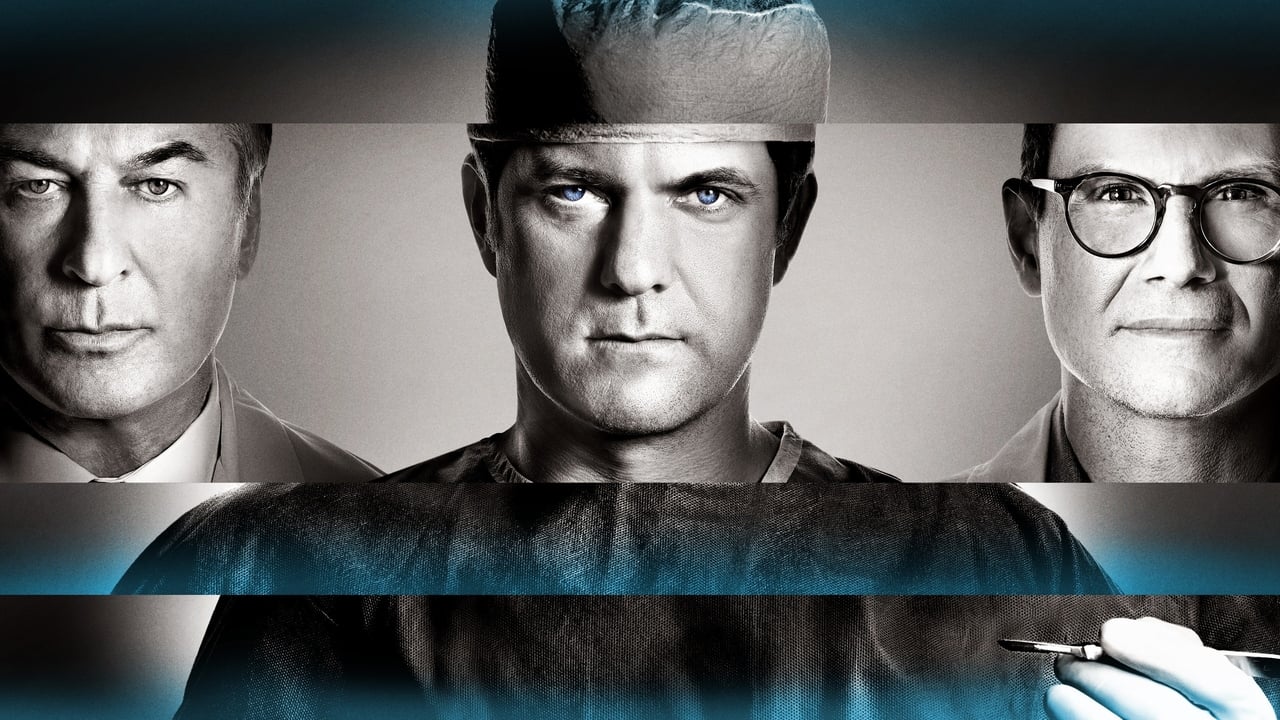
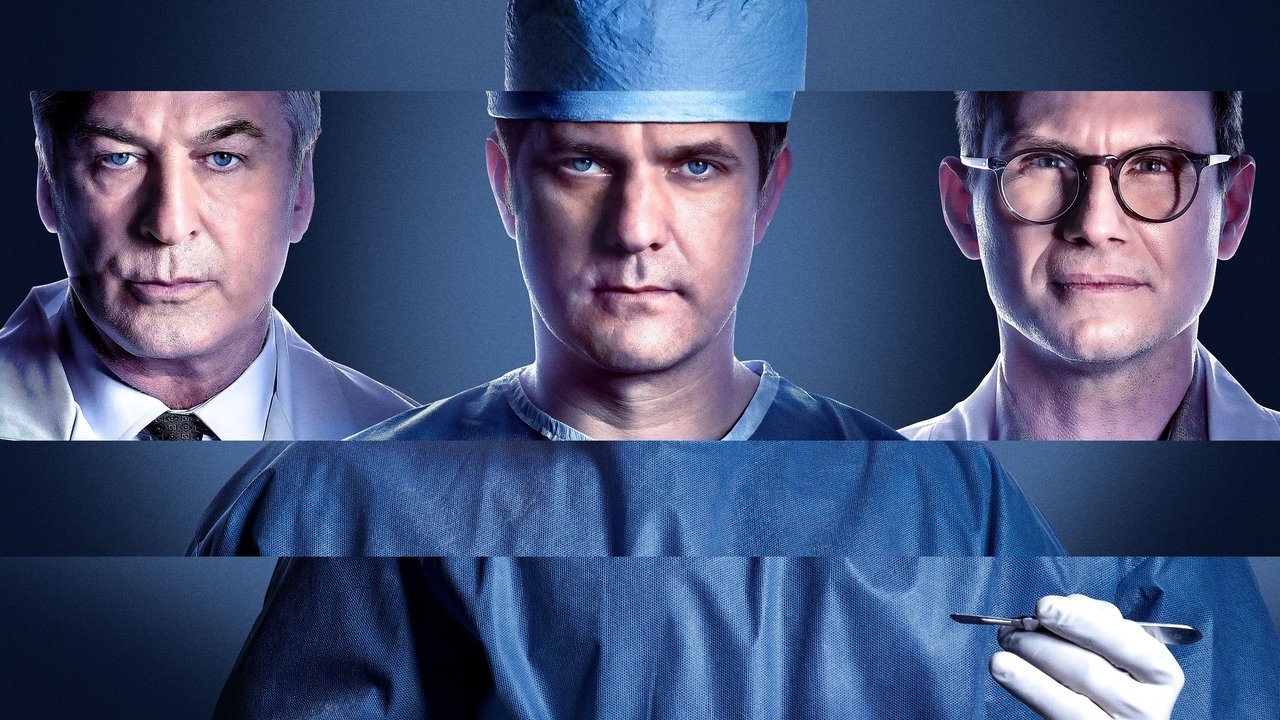
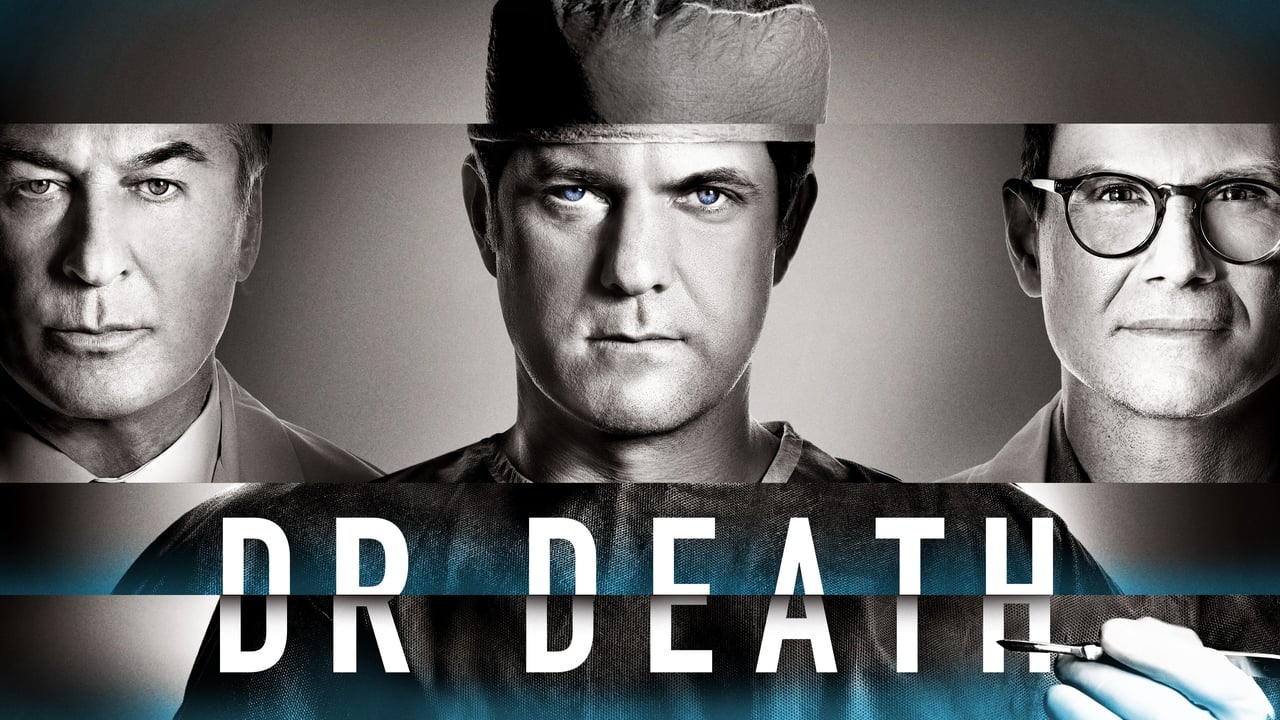
The first season is the standout here. Joshua Jackson plays Christopher Duntsch with a terrifying mix of incompetence and arrogance. He isn't a mastermind. He’s a guy who thinks he’s a genius while he’s actively destroying lives. It’s a frustrating watch because the show focuses heavily on the red tape that allowed him to keep moving from hospital to hospital. It’s less about one "bad apple" and more about a system that protects its own reputation over the lives of the people on the table.
Behind the camera
If you’re coming to this because you’re a fan of the cast, you’ll find some interesting DNA here. Beyond the leads, the series benefited from directors who understand how to balance procedural tension with character drama. For those following The Emma Swan Legacy: A Parent's Guide to Jennifer Morrison, it’s worth noting her work directing episodes for gritty, high-stakes dramas like this. She brings a specific eye to the power dynamics in the operating room that helps ground the more sensational elements of the story.
The medical student trap
If you have an older teen who is obsessed with medical procedurals or wants to go to med school, they are going to ask to watch this. It’s the ultimate anti-recruitment film. While it’s strictly for the 17+ crowd due to the graphic nature of the surgeries, it serves as a massive reality check on the "god complex" often associated with surgeons.
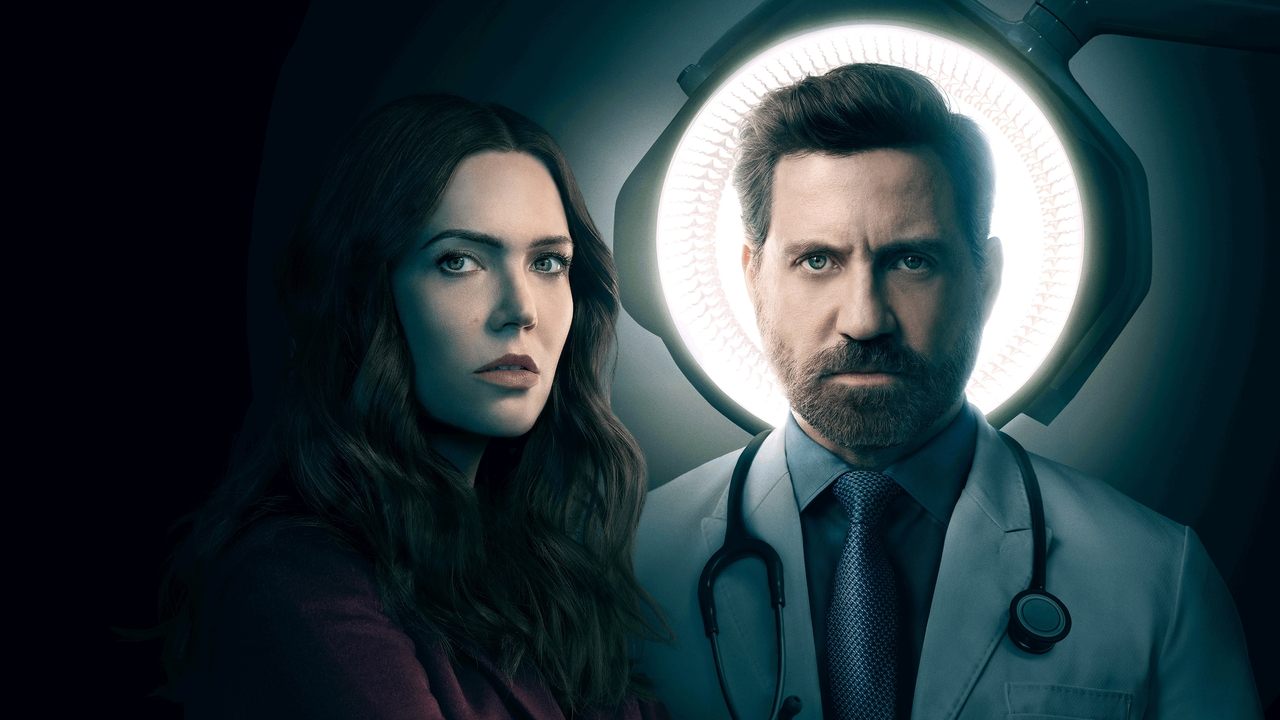
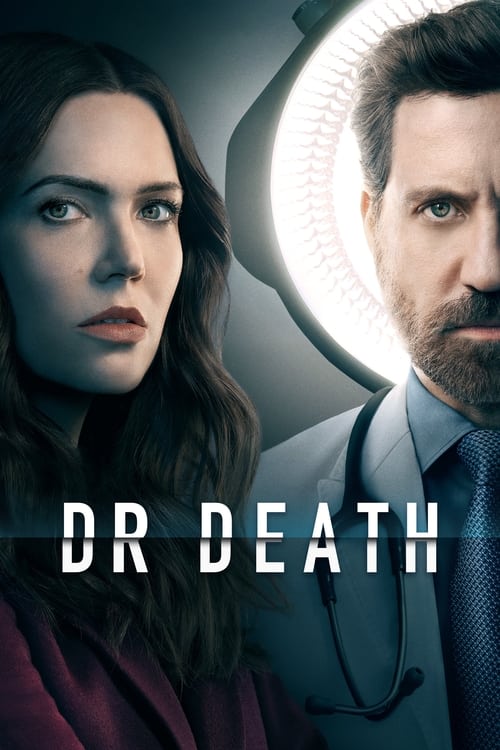
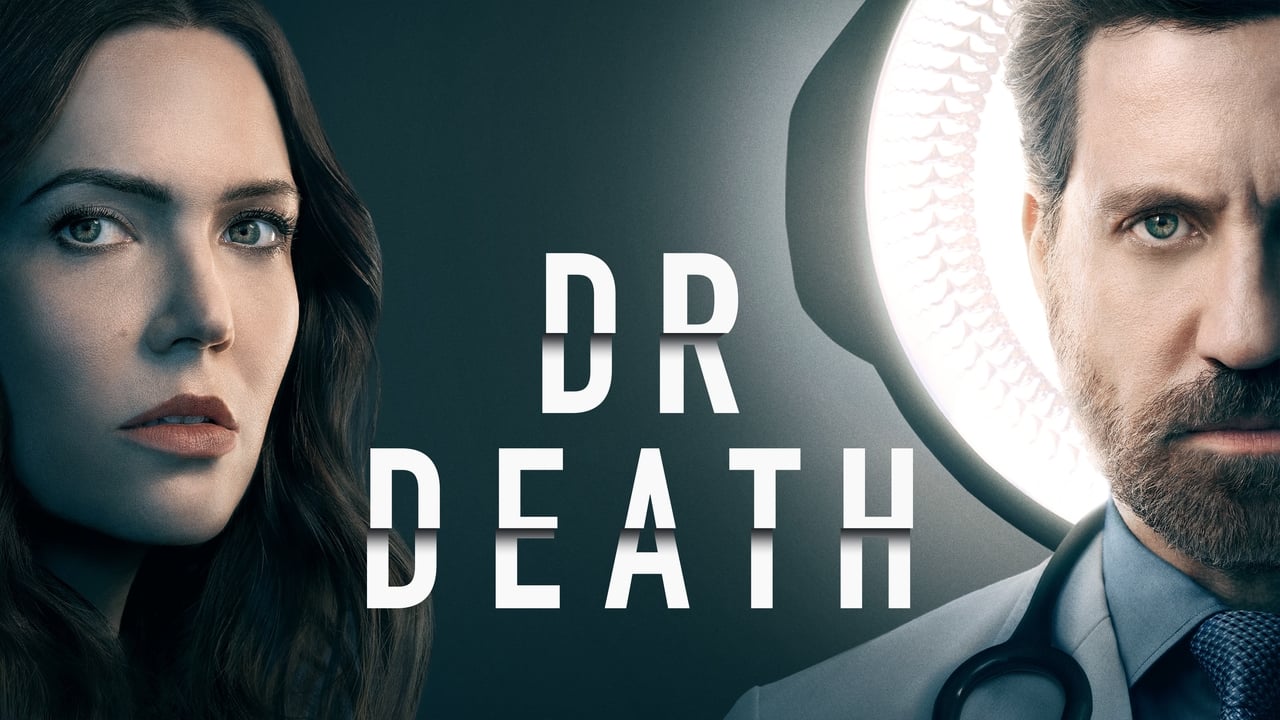
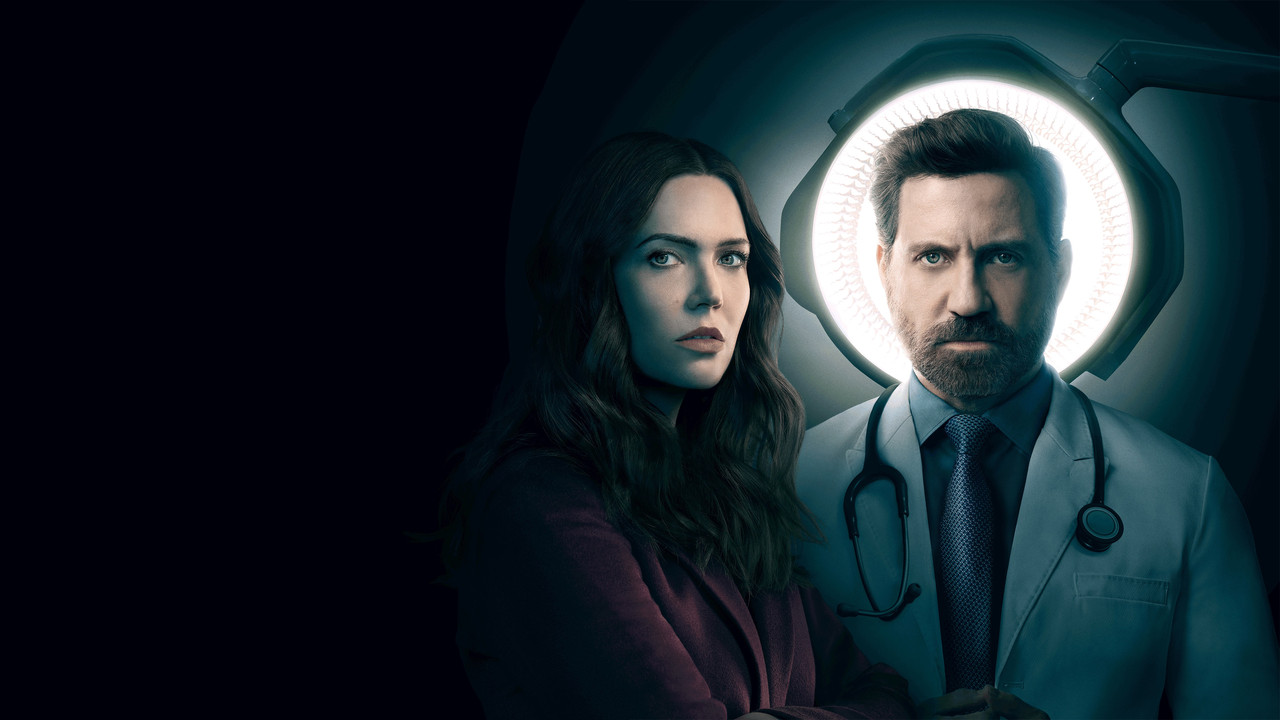
Season two shifts gears into a "love con" territory with a different medical nightmare. It’s a bit more of a slow burn and some critics found it less focused than the first, but it doubles down on the idea that even the most brilliant-looking innovators can be frauds. It’s a different kind of scary, focusing on how easily smart people can be manipulated by a charming liar.
Better than the podcast?
The original podcast was a lean, focused piece of reporting. The show expands that into a character study. It’s a morality play that asks why we value prestige over safety. If you want a show that makes you feel good about the world, keep scrolling. This is for the nights when you want to be angry at the system and maybe a little bit afraid of your next check-up. It’s essential viewing for true crime completionists, but keep the volume down during the spinal surgery scenes if you have a weak stomach.