Survival with a Soul
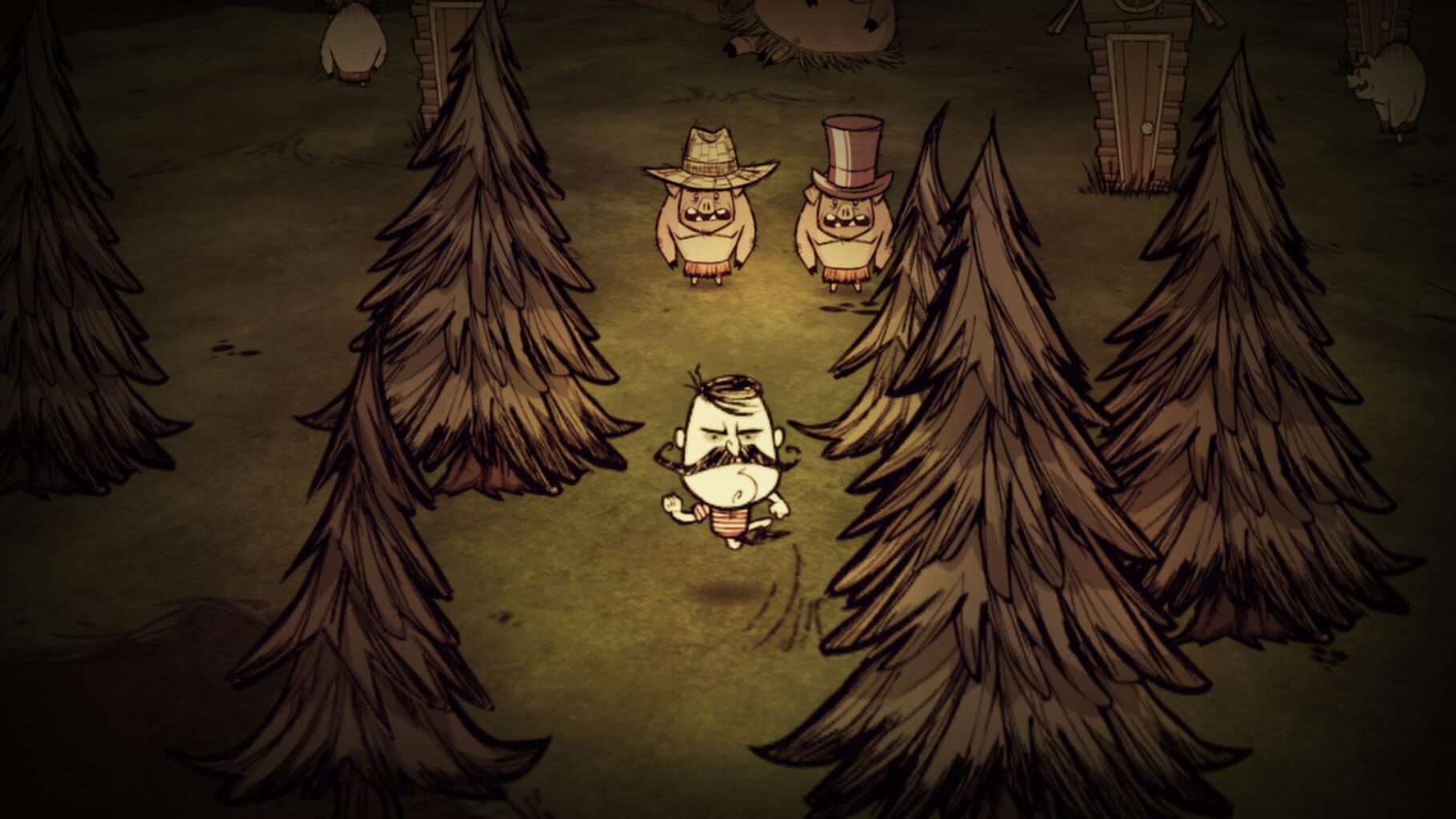
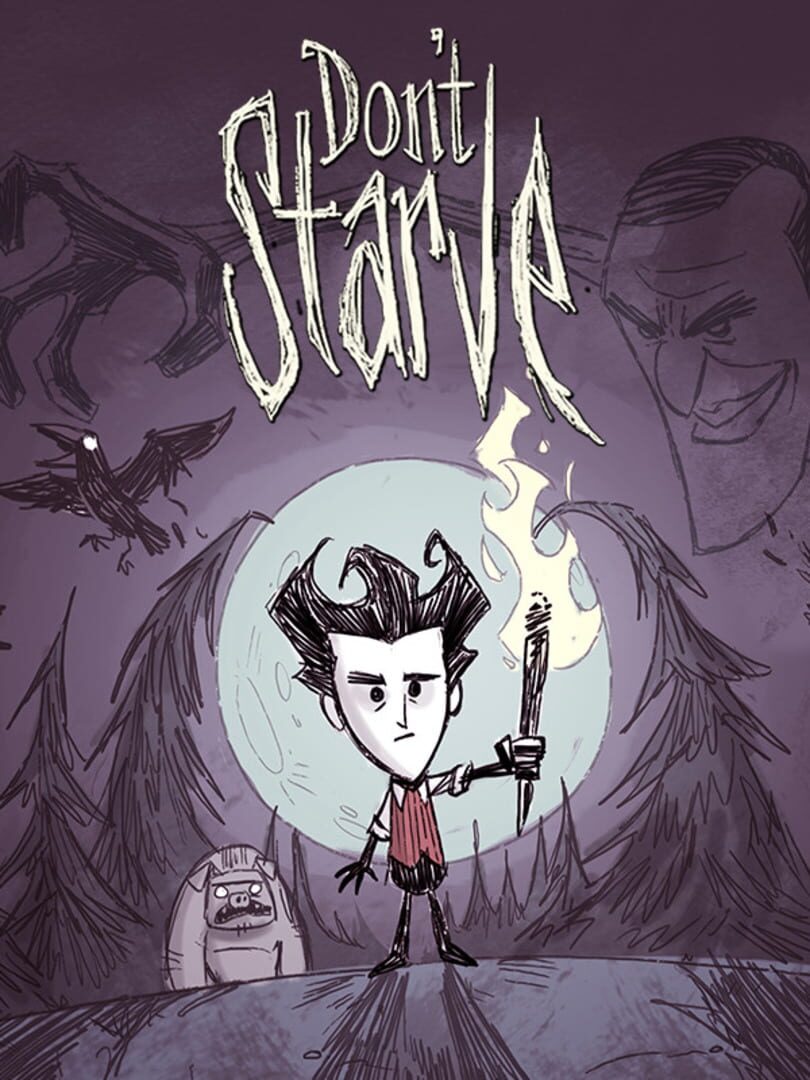
Released in 2013, Don't Starve remains the gold standard for the survival genre because it refuses to compromise. While other games in the category eventually became 'builder' simulators where the threat of death is an afterthought, Don't Starve keeps the pressure on. You play as Wilson, a scientist who looks like he walked off a Tim Burton storyboard, and your only goal is exactly what's on the tin.
What makes this special for a 2026 audience is the lack of 'slop.' There are no battle passes, no daily login rewards, and no prompts to buy gems. It is a pure, systems-driven experience. Your kid will learn how an ecosystem works—like how over-hunting rabbits might have consequences, or how the weather dictates your entire strategy for the next twenty minutes of play.
The Sanity Twist
The most interesting mechanic is the Sanity meter. As Wilson spends time in the dark or eats 'wrong' foods, his mental state declines. The music gets discordant, the screen edges crawl with shadow, and eventually, imaginary monsters become very real and very lethal. It’s a brilliant way to gamify fear, but it’s also the part that requires a bit of parent-check-in. If your kid is already prone to nightmares, the 'Shadow Creatures' that hunt you at low sanity might be a bridge too far.
Solo vs. Together
Note that this 2013 version is a solo experience. If your kid is asking to play with friends, they are likely looking for Don't Starve Together (2016). The original is actually a better starting point for building the skills needed to survive without the distraction of a chaotic group chat, but if the social element is the draw, keep in mind that the multiplayer version introduces all the standard online-gaming caveats.