
Doki Doki Literature Club

Doki Doki Literature Club

game

2017, Adventure, Indie

WISE
50%

WISE Score

82%

IGDB

A sugary-sweet dating sim that turns into a psychological horror nightmare, breaking the fourth wall and your brain.

Screenwise Verdict

Doki Doki Literature Club is a masterpiece of psychological horror, but it’s a landmine for parents who think they're looking at a harmless anime game. It’s designed to be a trap. It starts with poems and cupcakes and ends with character files being deleted and girls staring into your soul through the screen.

If you have a mature teen who loves horror and meta-narratives, this is a must-play. But if they aren't prepared for heavy themes of depression and suicide, stay far away. This isn't a game you play for fun; it's a game you play to be shaken.

Age Fit

This is strictly for older teens (15+) and adults. It’s not just 'scary'—it’s psychologically taxing. If your kid is currently struggling with mental health, this is a hard pass.

WISE Breakdown
Wholesome
15

It uses the aesthetic of a wholesome dating sim as a Trojan horse for psychological trauma, suicide, and manipulation.

Imaginative
98

Masterful fourth-wall breaking. It requires players to interact with the game's actual local files to progress, which was revolutionary for the genre.

Safe
10

Contains graphic depictions of suicide and self-harm. The psychological horror is designed to be deeply unsettling and deceptive.

Enriching
70

A fascinating study of meta-narrative and agency in digital spaces, though the 'lessons' are dark and nihilistic.

Parent Info

Why It Might Be Great

  • Subverts every trope you think you know about visual novels and dating simulators.
  • Brilliant meta-storytelling that forces the player to look outside the game window and into the game's actual install files.
  • The writing is sharp and the tonal shift is one of the most effective in gaming history.
  • It's a cult classic for a reason; it’s a genuine psychological puzzle that respects the player's intelligence.

What to Watch For

  • The game explicitly warns it is not for kids, and it means it. The depiction of suicide in Act 1 is sudden and extremely graphic.
  • One character engages in self-harm (cutting) on screen in a way that is intentionally disturbing.
  • The game 'glitches' on purpose—fake crashes, distorted audio, and rewritten text—which can be highly triggering for anyone with anxiety.
  • The character Monika effectively stalks the player, claiming to know your real name based on your PC's administrator account.

Conversation Starters

  • "When did you first realize the game wasn't actually a dating simulator?"
  • "How did it feel when the game started interacting with your computer files?"
  • "Do you think Monika is a villain, or is she just a victim of her own programming?"
  • "Why do you think the creator chose such a 'cute' art style for such a dark story?"

Deep Dive

The 'Monika' Effect

When Doki Doki Literature Club dropped in 2017, it broke the internet because it did something few games had dared: it messed with the player's actual hardware. It wasn't just a story in a box; the story was the box. To finish the game, you literally have to open your computer's file explorer and delete character files. It’s a genius move that makes the horror feel personal and inescapable.

Not Just a Jump Scare

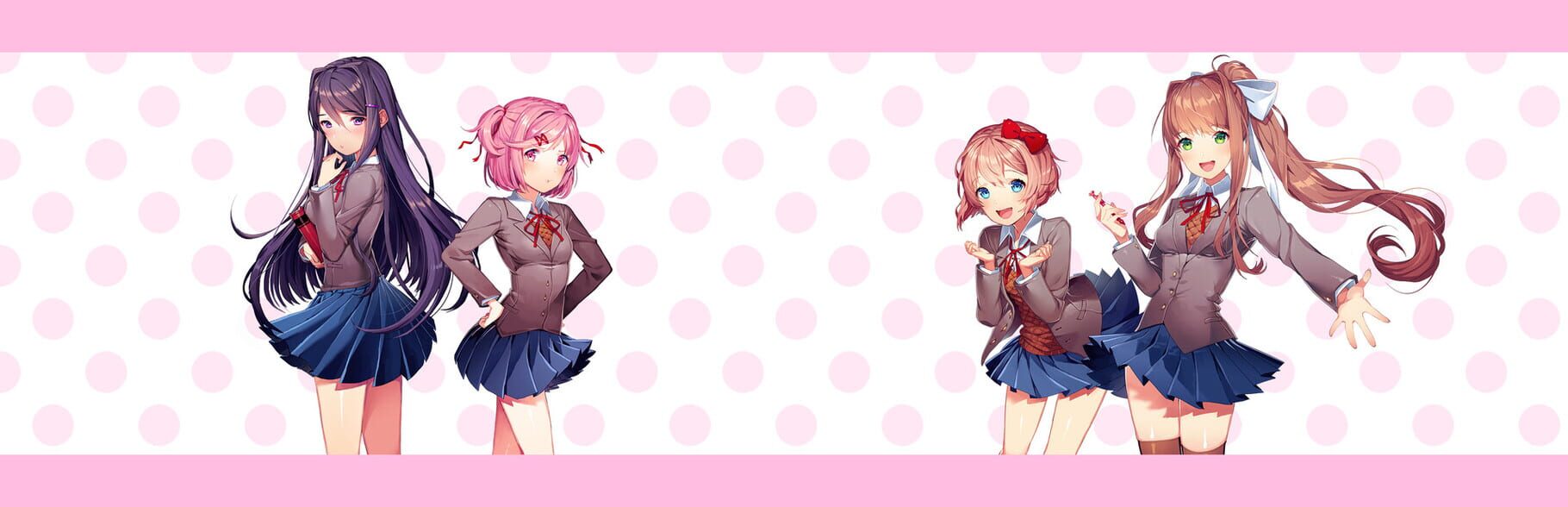
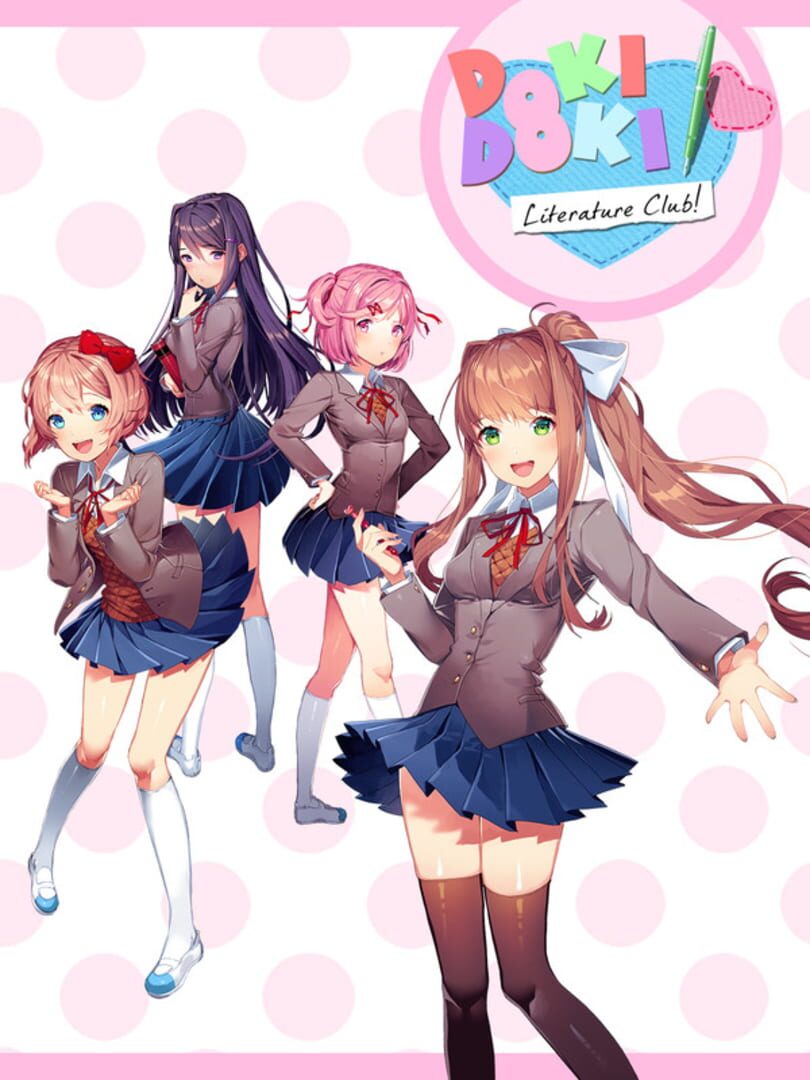
Most horror games rely on monsters or loud noises. DDLC relies on emotional betrayal. You spend the first hour or two genuinely getting to know these girls—Sayori, Natsuki, Yuri, and Monika. You write poems for them. You think you're playing a cheesy romance game. When the floor drops out, it’s not just scary; it’s devastating. The game uses its 'visual novel' format to build a false sense of safety that it then systematically destroys.

The Mental Health Caveat

We don't say this to be prudes: the themes of self-harm and suicide are not background noise here. They are the plot. The game is a deep dive into the darkest corners of the human psyche. For a teen who is already feeling fragile, the 'Monika' experience can be genuinely overwhelming. However, for a kid who is into the 'creepypasta' scene or psychological thrillers, this is the gold standard of the genre.

What Parents Ask

Ask Anything

Get a personalized guide on any topic