The friction of belonging
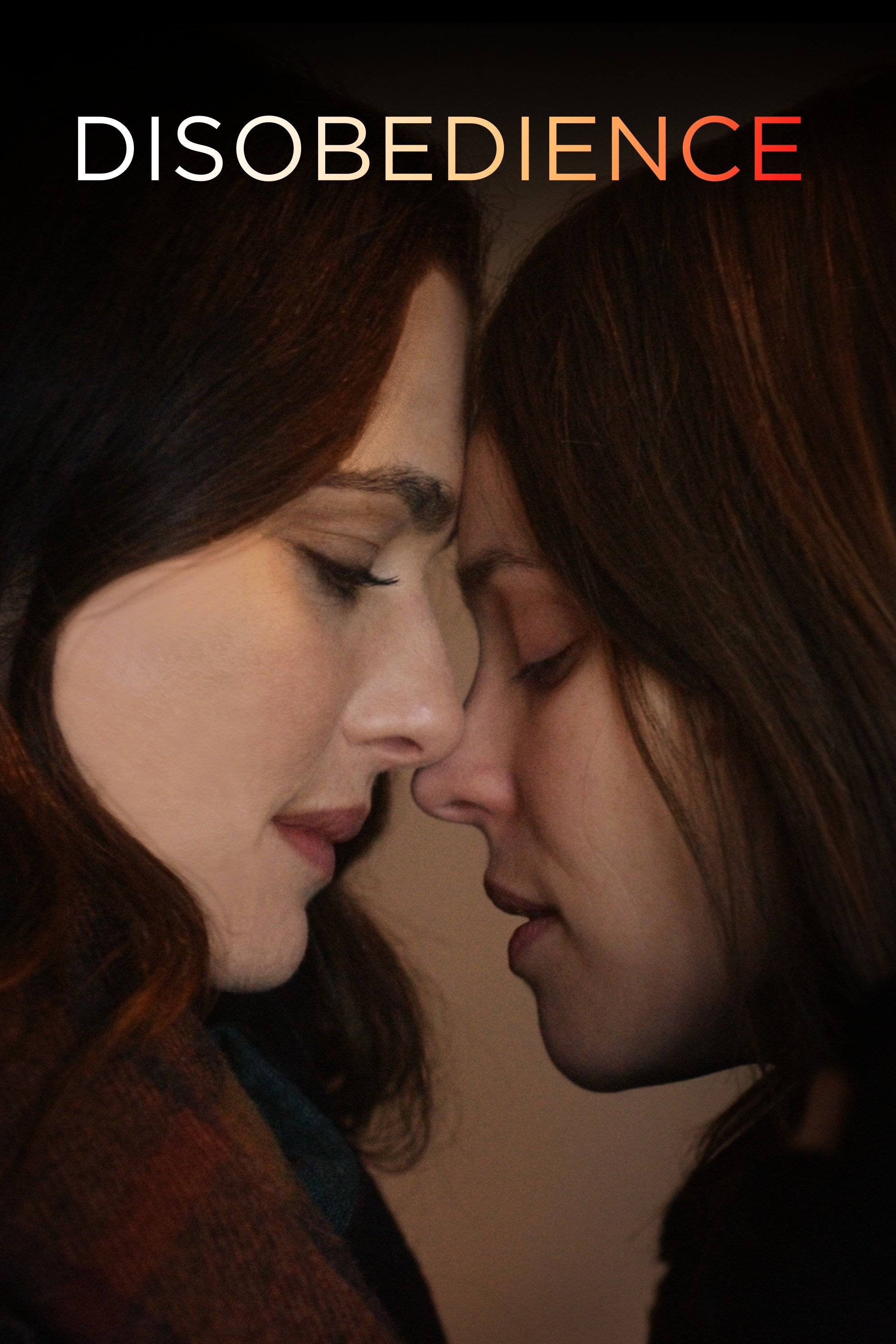
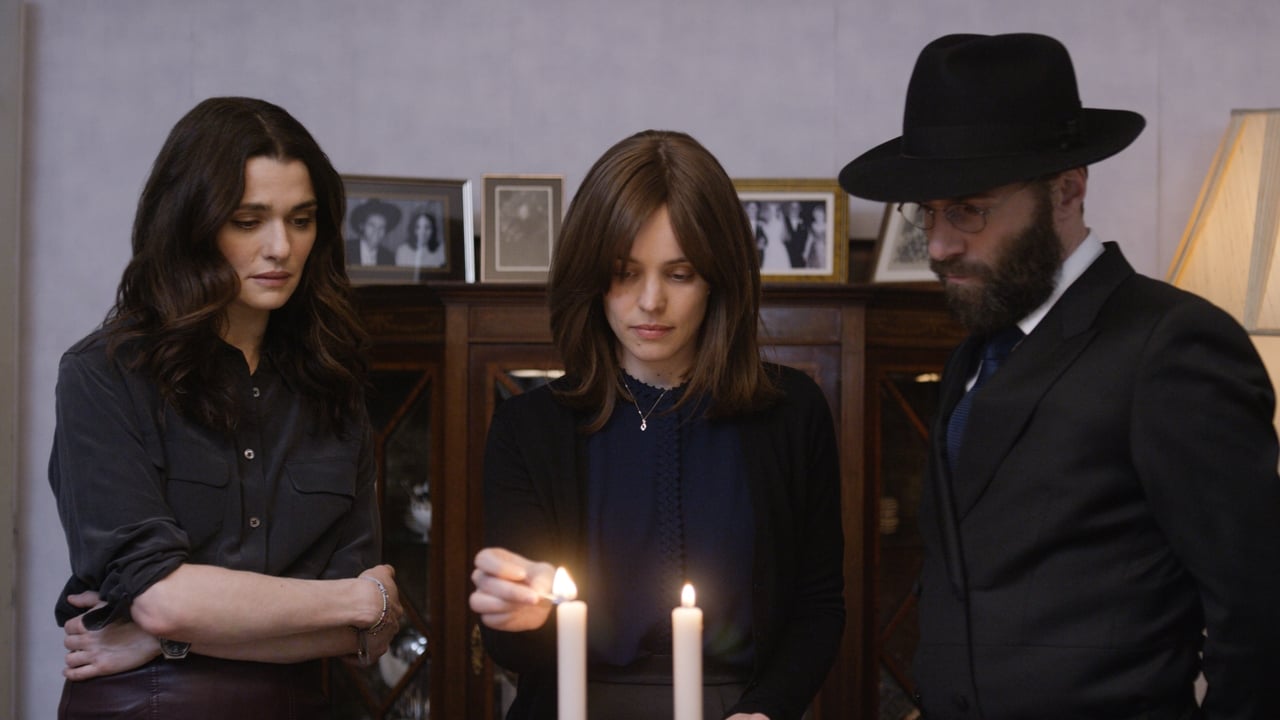
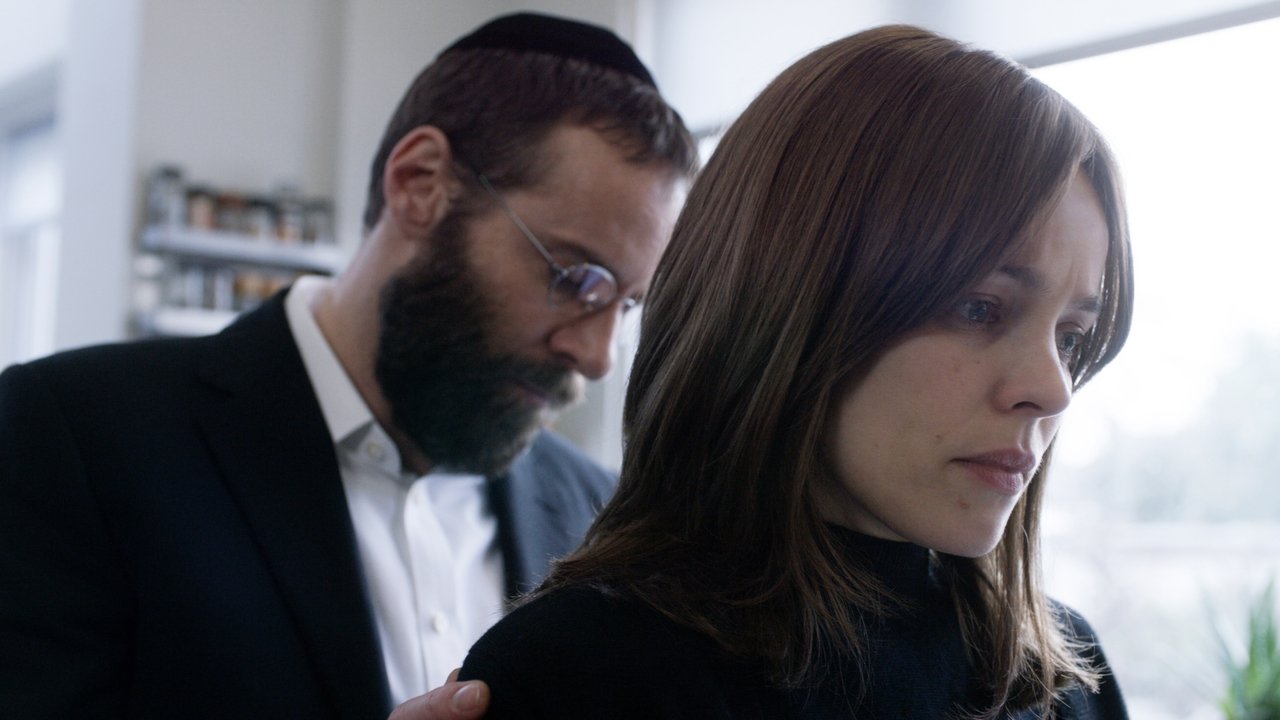
Most movies about "forbidden love" in religious communities take the easy way out. They paint the community as a collection of mustache-twirling villains and the protagonists as flawless victims. Disobedience is smarter than that. It understands that the tragedy isn’t just that Ronit and Esti are being kept apart—it’s that they actually love the community they’re being forced to leave.
The film is based on Naomi Alderman’s novel, and you can feel that literary weight in every scene. It’s a "slow burn" in the truest sense. If you’re looking for a fast-paced thriller, the 6.6 IMDB score is a warning: this is a movie about sighs, long glances, and the crushing silence of a dinner table where no one is saying what they actually think. Critics were much higher on it (84% on Rotten Tomatoes) because the craft is undeniable. It captures the specific, claustrophobic grayness of North London with a palette so muted it makes a grocery store look like a neon rave.
The Rachel vs. Rachel powerhouse
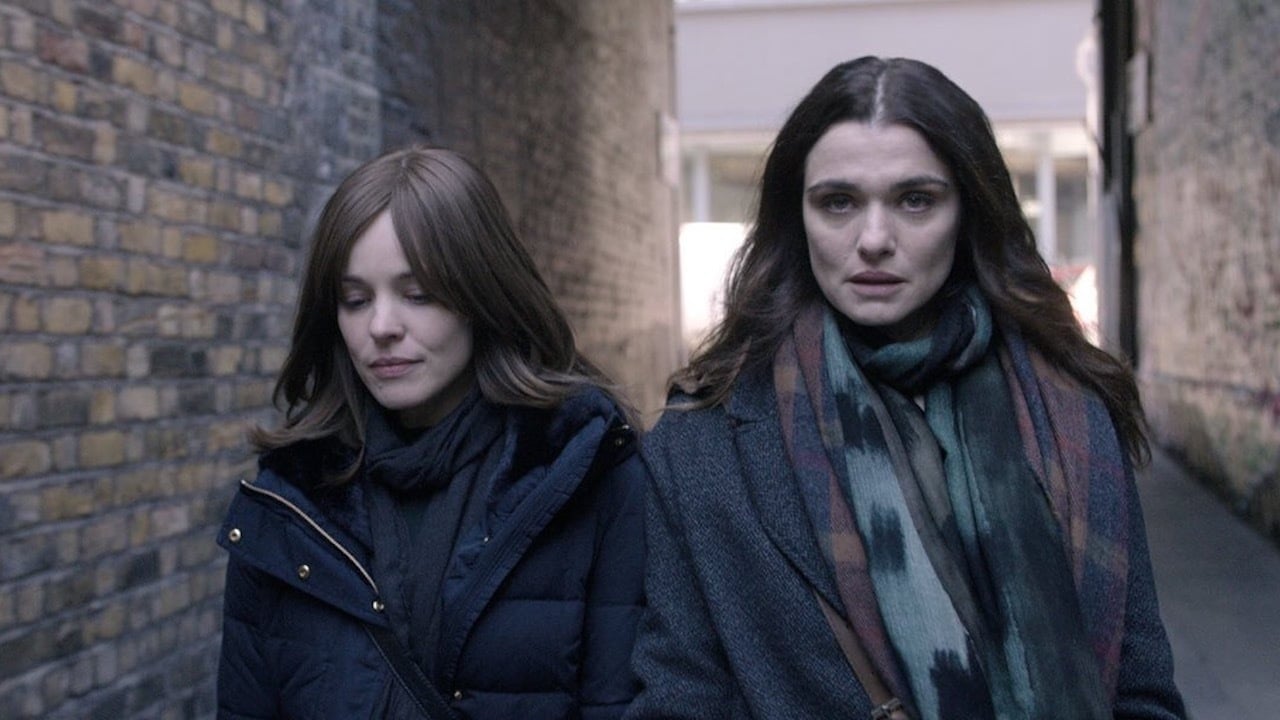
The chemistry between Rachel Weisz and Rachel McAdams is the only reason this movie works. Without them, the "staid" nature of the storytelling might have actually become boring. Weisz plays Ronit with a jagged, New York edge that feels completely alien to the world she’s returned to. If you’re used to seeing Rachel Weisz as an action hero, her performance here is a reminder of why she’s one of the best dramatic actors working today. She’s messy, grieving, and intentionally provocative.
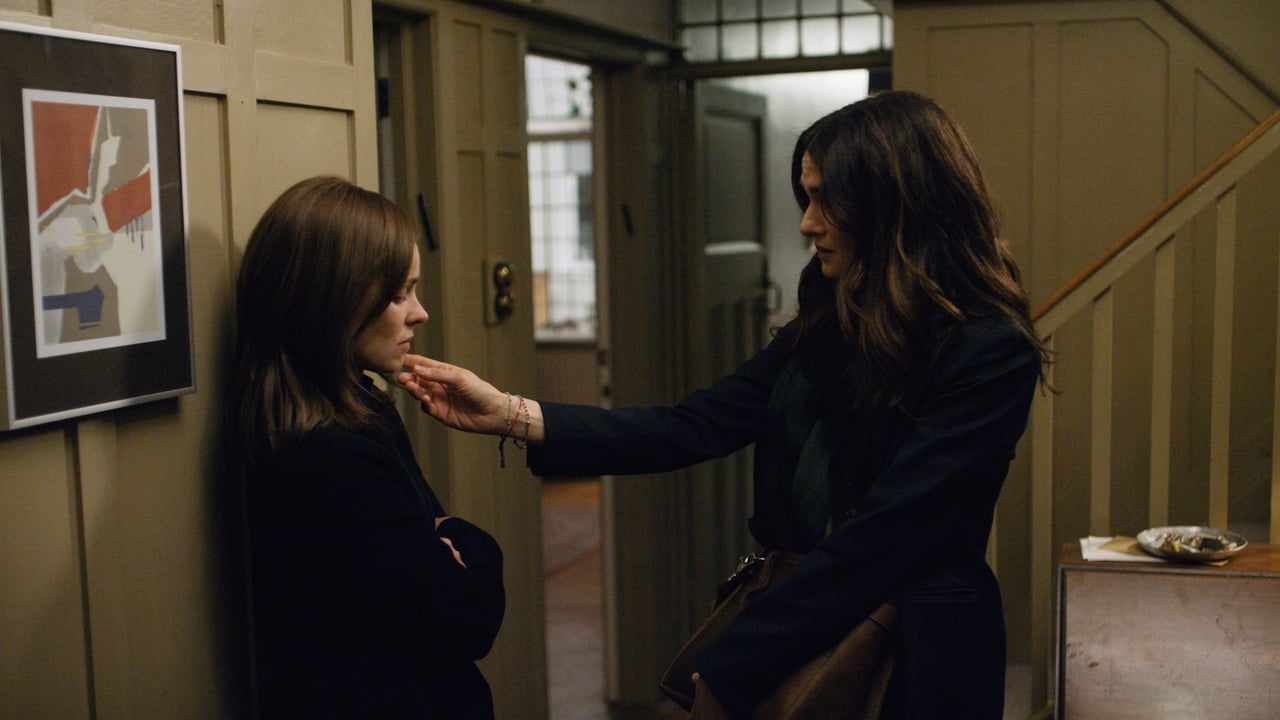
McAdams, meanwhile, has the harder job. As Esti, she has to play a woman who has spent decades perfecting a mask of compliance. The moments where that mask slips—not in a big "I quit" speech, but in tiny, frantic gestures—are what make the film devastating.
That one scene
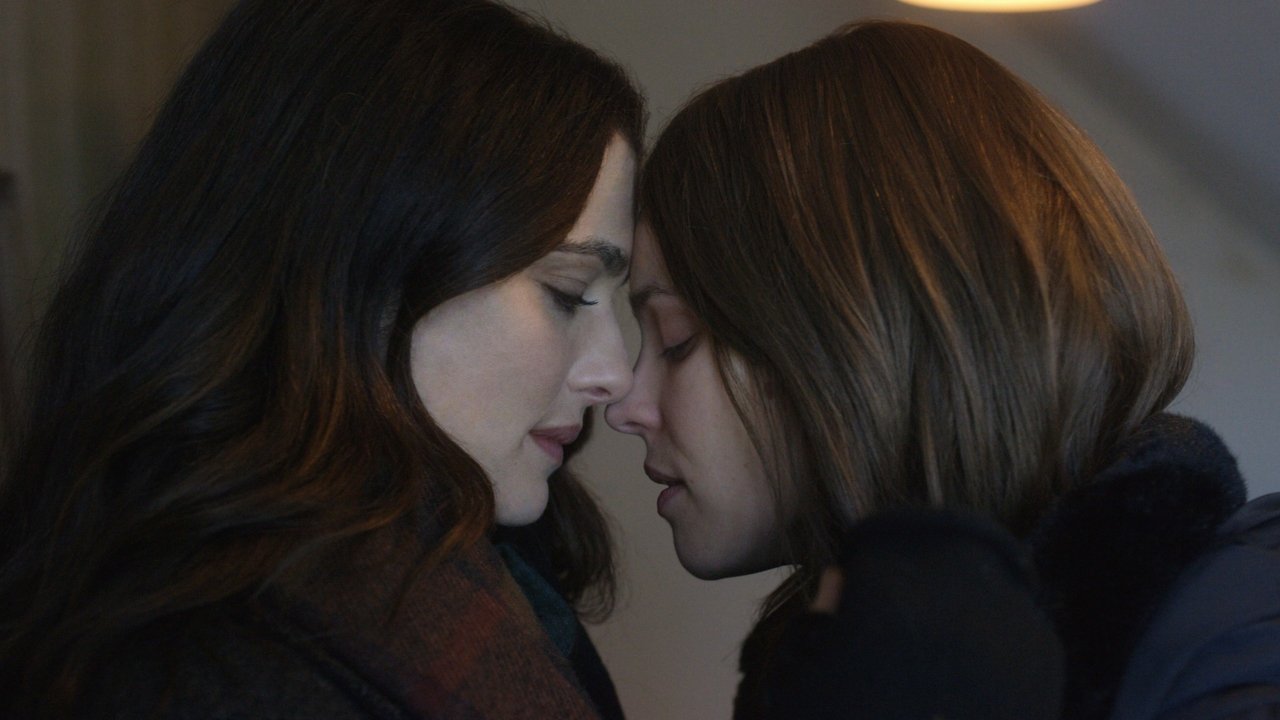
We need to talk about the hotel room. There is a specific, extended sequence that generated a massive amount of "discourse" when the film hit theaters. It’s graphic, yes, but it isn’t there for shock value. In a movie where every character is constantly covered in layers of heavy clothing and religious modesty, that level of physical intensity is the ultimate act of rebellion.
It’s the pivot point of the movie. Everything before that scene is about the weight of the past; everything after it is about the impossibility of the future. For parents, this is the "check the hallway" moment. It’s not just "TV-MA" because of the nudity, but because the emotional intimacy is so raw it feels private.
If you liked Carol or Tár
This is a movie for people who appreciate "the quiet part." It sits comfortably on the shelf next to other high-brow dramas about women navigating rigid social structures.
- The Vibe: It’s somber. If you’re in a "life is great, let’s celebrate" mood, skip this.
- The Payoff: It doesn't offer a clean, Hollywood ending. It asks whether you can ever truly be free if the price of freedom is losing your entire history.
- The Reality: It’s a masterclass in tension. Even if you have no connection to the Orthodox world, the feeling of being an outsider in your own family is universal.
If your teenager is a fan of serious literature or is starting to explore "prestige" cinema, this is a great entry point for a conversation about the cost of individuality. Just maybe watch it yourself first so you aren't caught off guard by the intensity of the central romance.