The Peak TV Antihero Blueprint
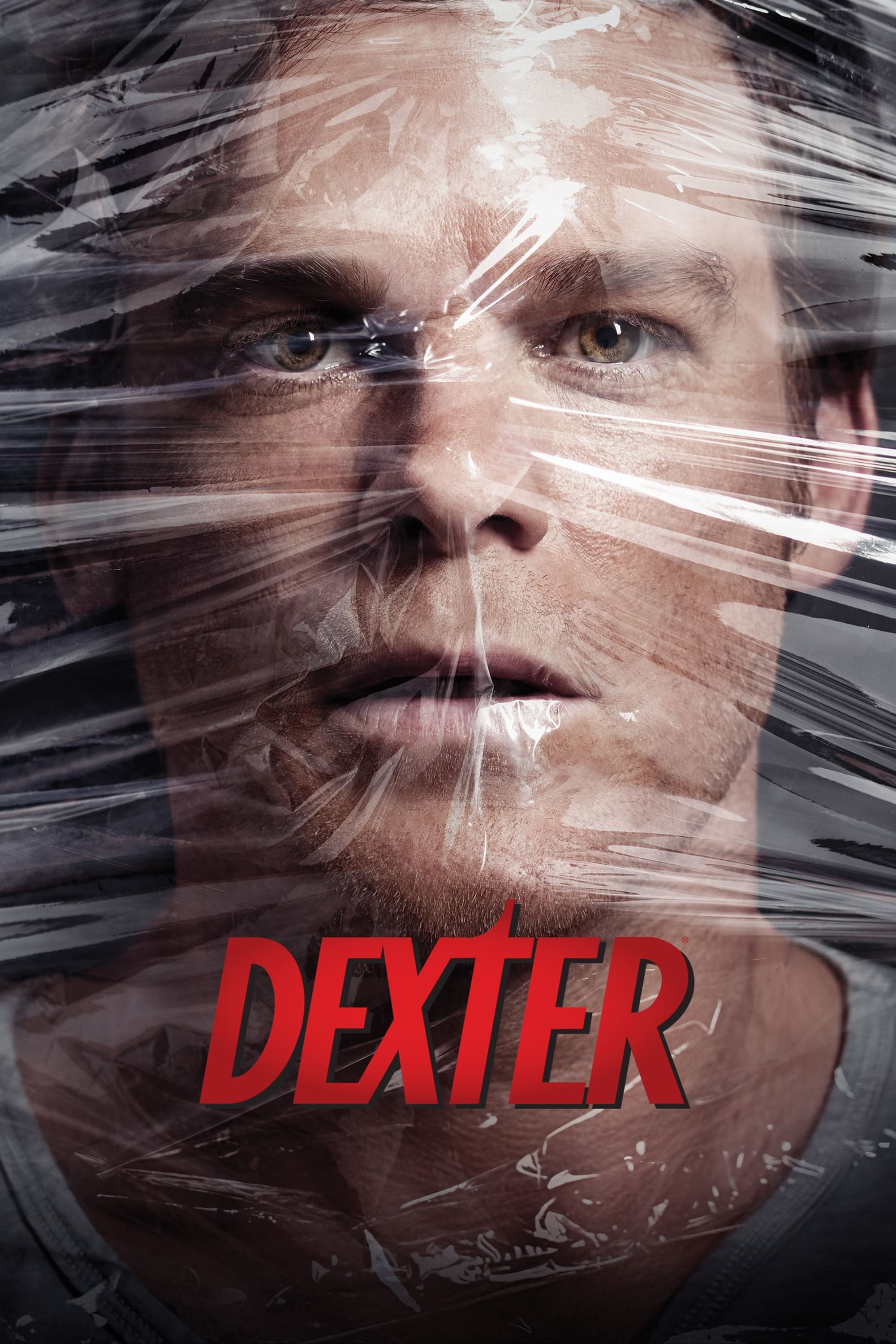
When Dexter debuted in 2006, it arrived squarely in the golden age of cable antiheroes alongside The Sopranos and right before Breaking Bad. What separated Dexter Morgan from Tony Soprano or Walter White was transparency. From the opening monologue, Dexter tells you he feels nothing, has no real empathy, and only mimics human emotion to keep out of the electric chair.
That premise could have been unwatchable edge-lord pulp. Instead, Michael C. Hall's grounded performance and the show's vibrant, sweat-drenched Miami palette turned it into an addictive cat-and-mouse thriller.
Where the Show Soars (and Where to Stop)
The series functions almost like two distinct shows divided right down the middle:
- Season 1 (The Ice Truck Killer): Near-flawless introduction. The psychological puzzle unearths Dexter's childhood trauma and sets the baseline for the entire universe.
- Season 2 (The Bay Harbor Butcher): Inverts the premise by putting Miami Metro on Dexter's own scent. The tension rarely lets up.
- Season 4 (The Trinity Killer): John Lithgow turns in one of the most chilling guest performances in television history. The finale lands with a gut-punch that genuinely changes every character.
After Season 4, showrunner changes led to severe narrative bloat, repetitive arcs, and one of the most notoriously mishandled series finales in modern TV history. If an older teen is watching, treating the end of Season 4 as an unofficial climax saves a lot of frustration.
Watching with Older Teens
If you have a 16- or 17-year-old interested in crime drama or screenwriting, Dexter offers a brilliant launchpad for discussions about narrative sympathy. The show intentionally manipulates the viewer into cheering when an unpunished criminal ends up on Dexter's kill table. Deconstructing how the writers pull that trick off—and why real-world vigilante justice inevitably collapses into chaos—turns graphic entertainment into real media literacy.