The Banality of the Monster
Most serial killer dramas lean into the hunt. They want the high-speed chase, the profiling breakthrough, the dramatic standoff. Des does something much more interesting: it starts with the arrest. Within the first ten minutes, Dennis Nilsen is in the back of a police car, calmly admitting to multiple murders because his drains were clogged with human remains.
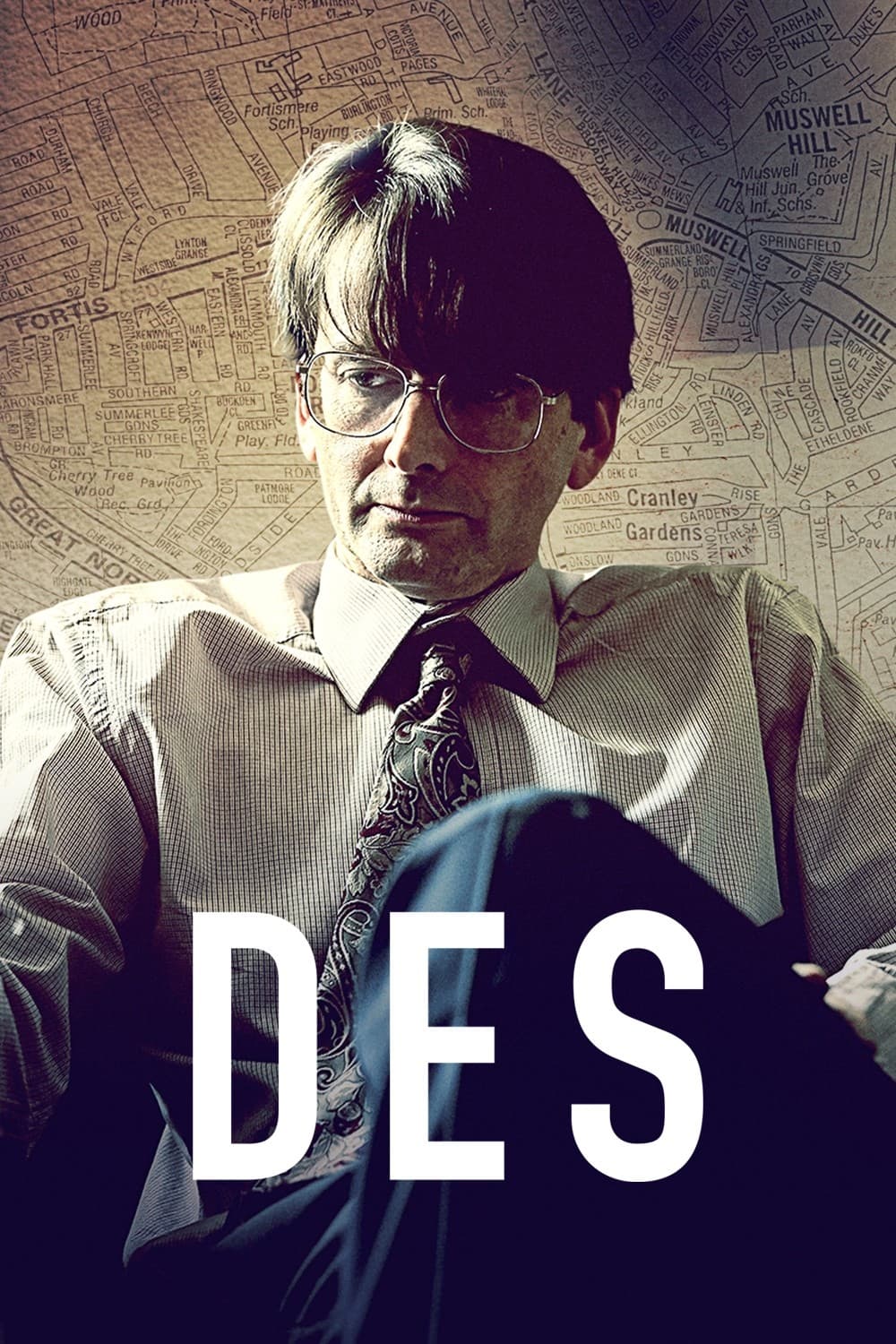
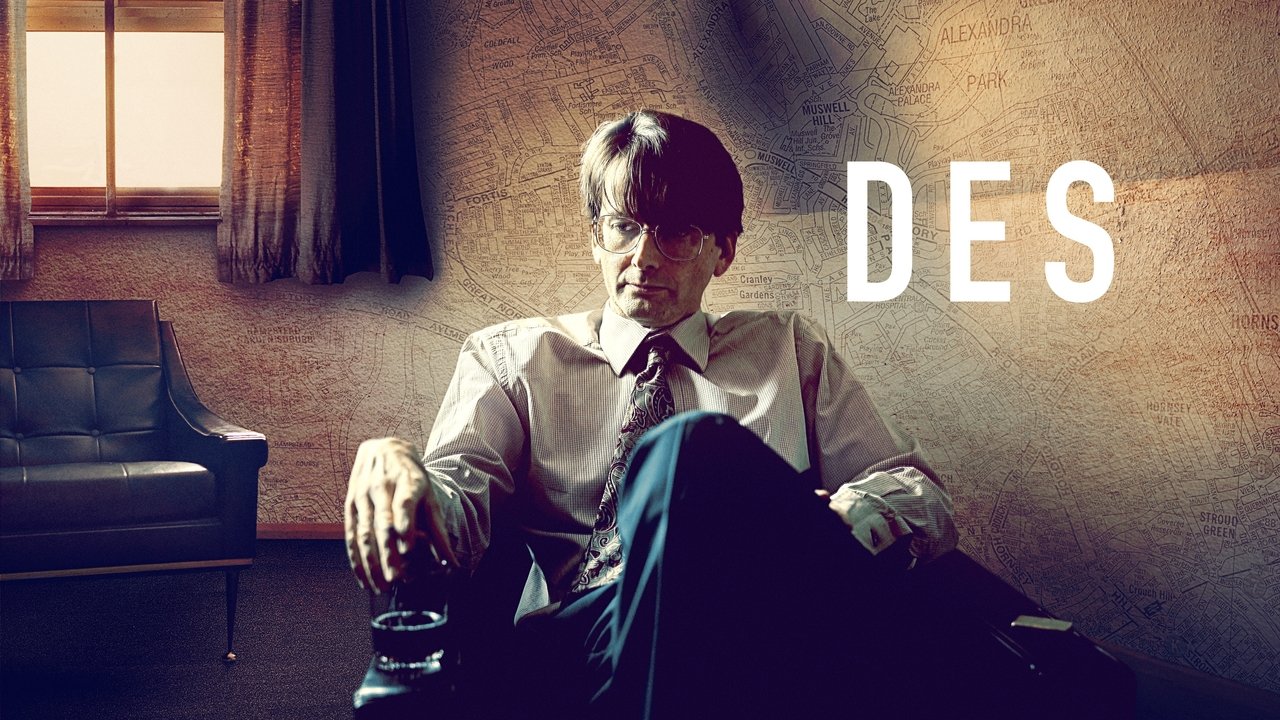
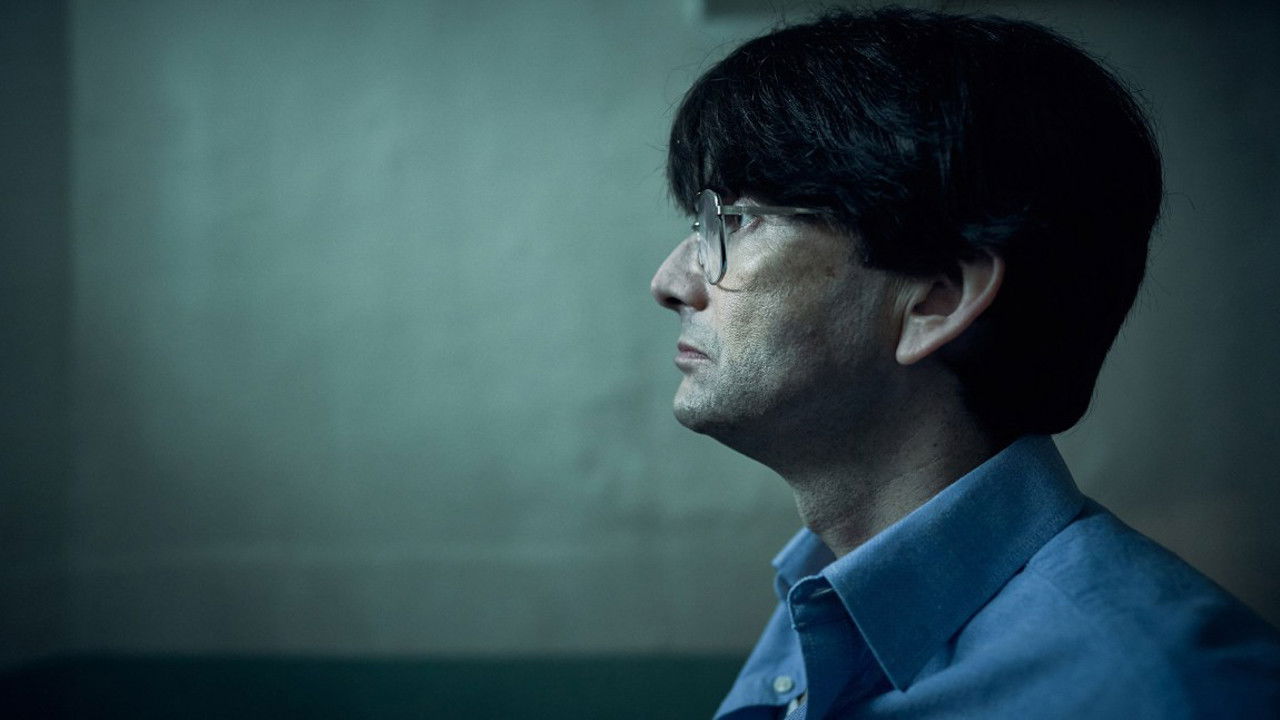
By removing the 'whodunnit' element, the show forces you to look at the 'who.' David Tennant’s Nilsen—or 'Des' as he preferred—is a terrifying creation because he is so profoundly ordinary. He’s a civil servant who killed because he was lonely and wanted company. There’s no grand mastermind plan here, just a desperate, narcissistic man and a police force that was too underfunded and overstretched to notice people were vanishing.
A Three-Way Mirror
The series succeeds by balancing three perspectives. You have Nilsen (the ego), DCI Peter Jay (the conscience), and Brian Masters (the observer). Masters, who wrote the actual biography Killing for Company, provides the bridge between the viewer and the killer. Through him, we see the danger of getting too close to a subject like Nilsen—the way a killer can manipulate the narrative to make themselves the protagonist of their own tragedy.
It’s a bleak watch, but an essential one for anyone tired of the sensationalized 'hot serial killer' trope that occasionally infects the genre. Des is cold, gray, and deeply respectful of the fact that these were real lives lost to a man who viewed them as props.