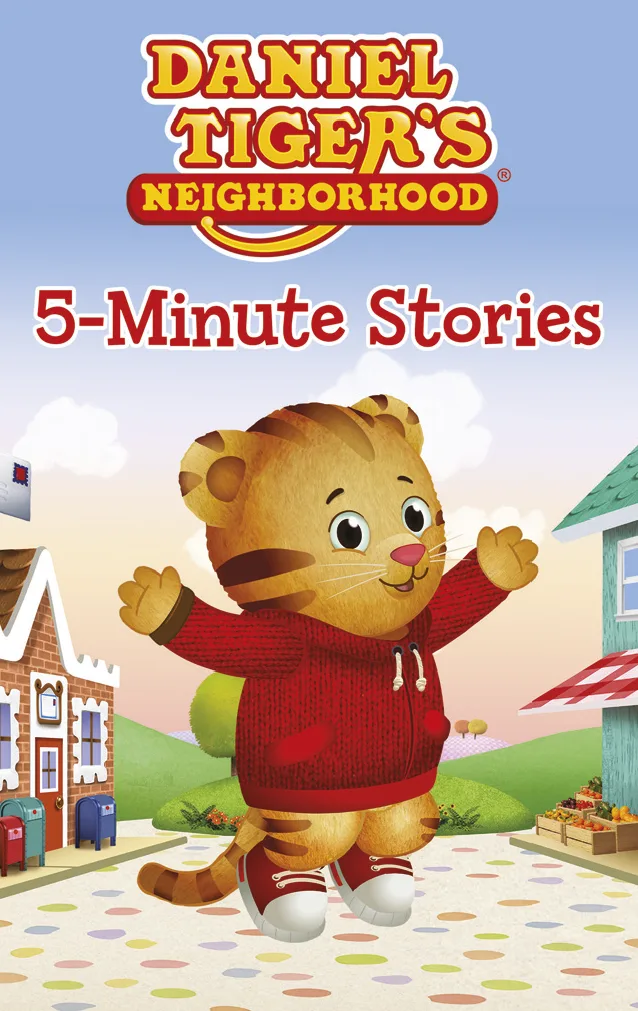
This card is basically Fred Rogers' social-emotional toolkit packaged directly into a physical audio card your toddler can operate themselves. If you already use a Yoto Player, it's one of the highest-yield audio picks available for the preschool set.
It trades visual stimulation for quiet audio engagement, giving two- and three-year-olds a calm background track for quiet play or pre-bedtime winding down. The practical value comes from the short strategy jingles that stick in kids' heads when they're actually experiencing frustration or anxiety in real life.
Age Fit
A bullseye for 2- to 4-year-olds who are navigating toddler transitions, potty training, and bedtime routines. Most kids outgrow Daniel's simple pacing around age 5 or 6.
WISE Breakdown
Wholesome
98
Top-tier socio-emotional content rooted in Mister Rogers' legacy, modeling empathy, sharing, and self-regulation without any chaotic visual noise.
Imaginative
82
Audio-only format encourages kids to visualize the Neighborhood of Make-Believe and play along with gentle storytelling.
Safe
98
Completely screen-free physical card designed for Yoto devices. Zero ads, zero social features, and no unexpected or scary content.
Enriching
92
Builds language comprehension strands through audio storytelling while teaching practical toddler coping strategies via memorable short songs.
Parent Info
✓
Why It Might Be Great
Social-emotional cheat codes: Features the famous four-line strategy tunes ("When you feel so mad...", "Try new food 'cause it might taste good") that give toddlers real vocabulary for big feelings.
Screen-free tactile autonomy: The physical credit-card style card lets a two-year-old control their own listening routine without touching an iPad.
Bedtime-friendly pacing: Unhurried storytelling and calm acoustic backing make this an easy substitute for bedtime screen requests.
⚠
What to Watch For
Earworm factor: The short, repetitive emotional strategy songs will take up permanent residence in your brain.
"What song does Daniel sing when he feels mad or frustrated?"
"How did Daniel feel when he tried something new today?"
"What can you do when you need to take a deep breath?"
Deep Dive
Why audio storytelling works for toddlers
Parents often look at screen-free audio players as a compromise when cutting down TV time, but listening to stories builds essential early language strands that visual media skips. When a toddler listens to Daniel Tiger audio instead of watching the animated show, their brain works to visualize the Neighborhood of Make-Believe, building context comprehension and active listening skills.
Real-world emotional tools
What makes the Daniel Tiger franchise uniquely useful—and why this card earns its space on the Yoto shelf—is its deliberate focus on micro-routines. The card weaves narrative episodes with quick, memorable songs designed to handle specific toddler pinch points: stopping play to use the potty, managing disappointment, and trying unfamiliar foods. When a meltdown hits at dinner, hearing the exact melody they played on their Yoto earlier gives toddlers an intuitive hook to regain control.