Our reviews and ratings are 100% unbiased. Screenwise is a Bookshop.org affiliate and an Amazon Associate, so if you buy a book through one of our links, we may earn a commission. Bookshop.org purchases also support independent bookstores.
Screenwise Verdict
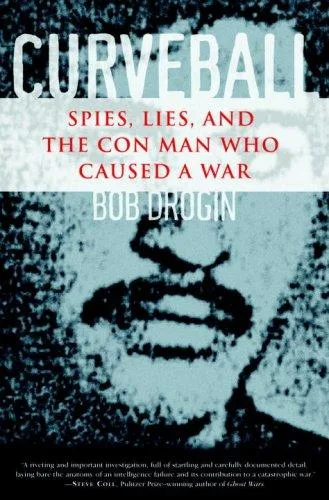
If you have a teen who thinks they want to go into law, journalism, or politics, hand them this. It’s the ultimate 'red pill' for understanding how institutions fail. It's old, sure, but the lessons about confirmation bias are more relevant now in the age of AI slop than they were when the book came out.
It’s not 'fun' reading, but it is 'essential' reading for anyone trying to build a brain that can't be easily fooled. Just be prepared for some follow-up questions about why the adults in charge didn't just, you know, check the facts.
Age Fit
Best for 15+ or very precocious history buffs. It's not that the content is 'bad' for younger kids, it’s just that the political nuances of 2003 intelligence failures will likely bore them to tears.
WISE Breakdown
Wholesome
55
It's a serious look at government deception and military failure. While it models high-integrity journalism, the subject matter is intentionally cynical and heavy.
Imaginative
42
This is strictly narrative non-fiction. It doesn't invite creative building or fantasy, though it does require the reader to mentally reconstruct complex intelligence networks.
Safe
95
It's a book. No algorithmic traps, no infinite scrolls. The content is mature (war, political fallout), but it's presented through investigative reporting, not graphic sensationalism.
Enriching
94
A masterclass in critical thinking and media literacy. It shows exactly how 'facts' can be manufactured and why healthy skepticism of powerful institutions matters.
Parent Info
✓
Why It Might Be Great
Real-world detective work that reads like a spy thriller but with the depressing benefit of being true.
Teaches skepticism by showing exactly how the 'echo chamber' effect works in high-stakes environments.
Historical foundation for any kid trying to understand why the Middle East looks the way it does in 2026.
Media literacy gold—it’s a perfect case study in why the source of information matters more than the information itself.
⚠
What to Watch For
It’s a 'dad book' from 2007. The pacing is deliberate and it assumes you know who players like Donald Rumsfeld or George Tenet are.
The cynicism is high. If your teen is already feeling bleak about the world, this won't exactly cheer them up.
Conversation Starters
"Why did the CIA want to believe Curveball so badly, even when the evidence was thin?"
"How do you tell the difference between a 'fact' and a 'conclusion' when you're reading the news?"
"If you were in charge of the CIA, what rules would you make to stop people from lying to you?"
"Does knowing this history change how you look at modern government announcements or 'leaks'?"