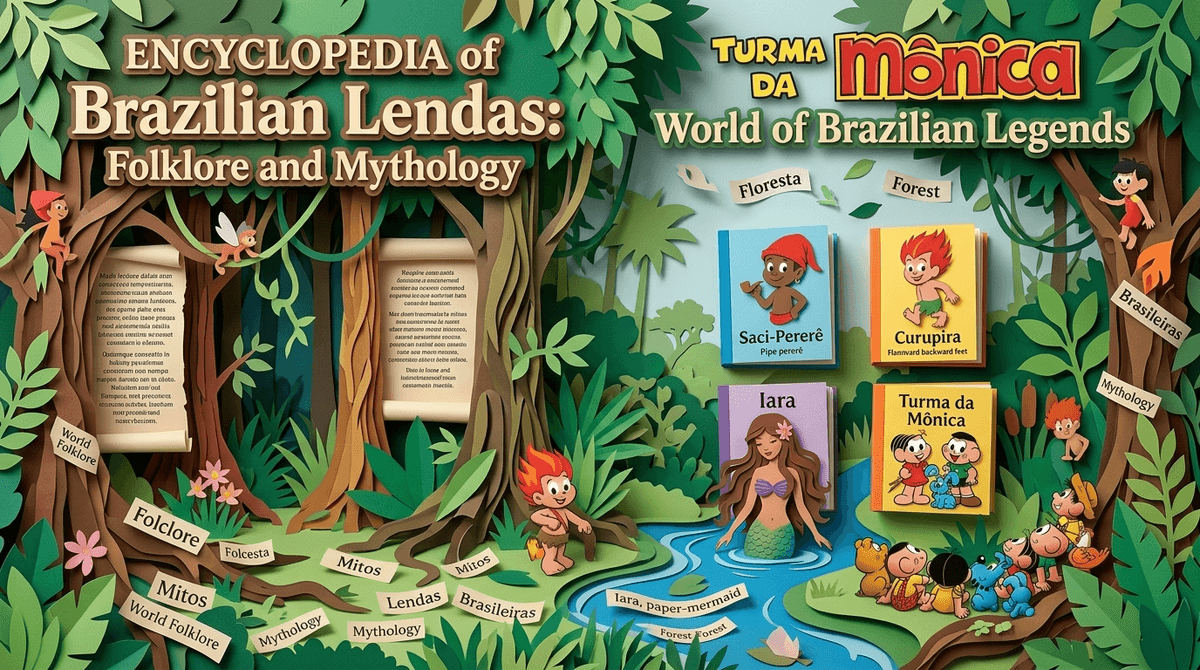
Theresa Bane’s Encyclopedia of Fairies in World Folklore and Mythology (often cataloged under the Curupira title) is a refreshing departure from the sanitized, glittery version of fairies we usually see in kids' media. It treats these beings as what they were: complex, sometimes dangerous, and deeply tied to the environments of the people who dreamt them up.
From a literacy perspective, this is a goldmine. We often focus so much on 'decoding' (the ability to sound out words) that we forget the other half of the reading equation: background knowledge. A kid who knows what a Curupira is, or understands the concept of a 'nature spirit,' is going to have a much easier time reading complex literature later on. This book provides that cultural scaffolding in spades.
Not your average storybook
Parents should know this is a McFarland book. If you aren't familiar with the publisher, they do high-quality, specialized reference works. That means the layout is functional and text-heavy. It’s for the kid who wants to be an expert. If you have a child who loves Rick Riordan's Percy Jackson series but wants to know about the legends that haven't been turned into movies yet, this is the perfect next step.
How to use it
Don't hand this to a kid and expect them to read it like a novel. It’s a reference book. Keep it on the coffee table or the shelf near where they play creative games. When they’re building a world in Minecraft or drawing a new creature, pull it out and look up a random entry. It’s about expanding their 'mental library' of what is possible in a story.