It’s a soap opera, not a spreadsheet
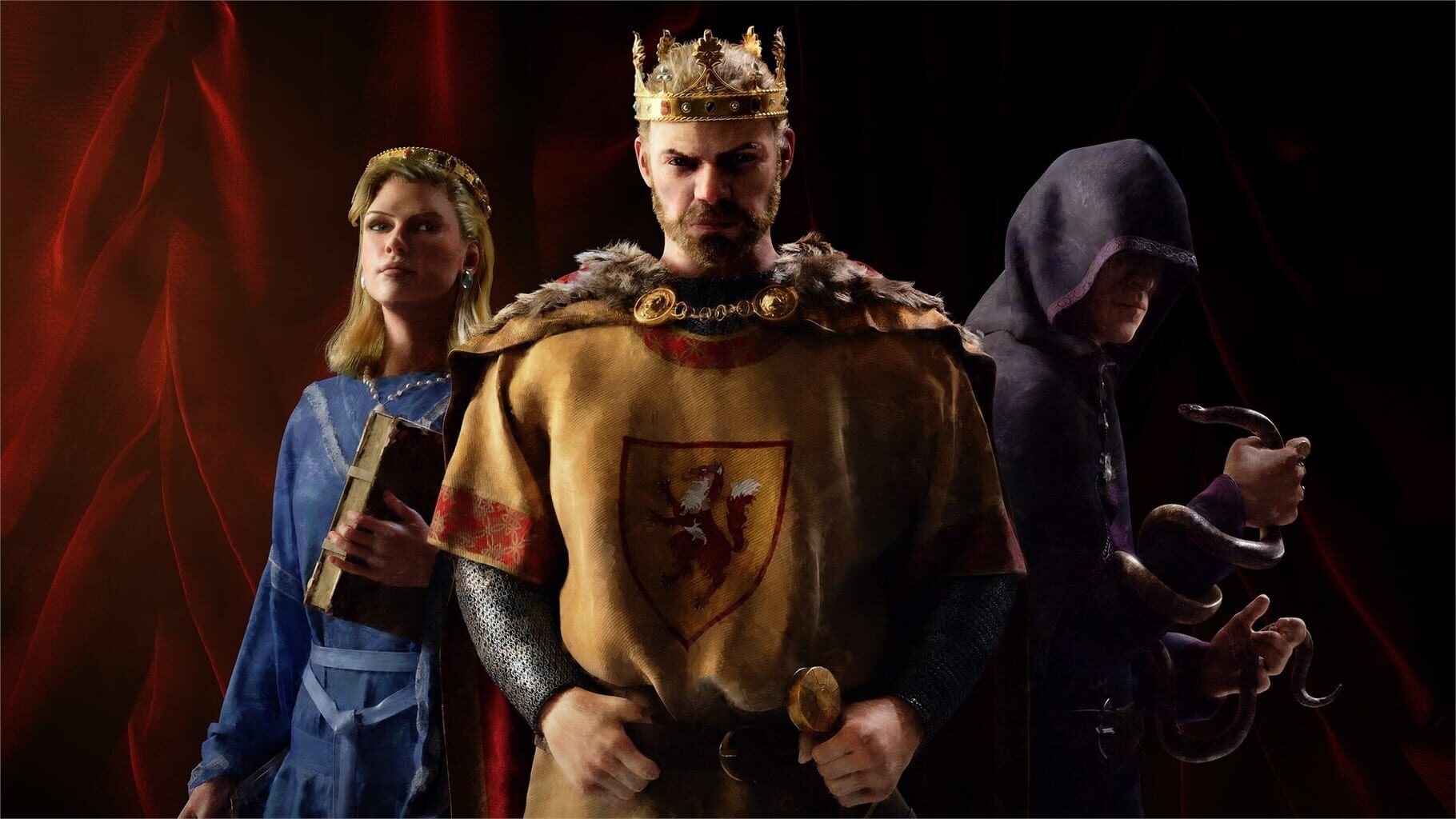
Most grand strategy games treat you like an invisible god or a nameless "President for Life." Crusader Kings III is different because it forces you to be a specific, flawed human being. You aren't just "France." You are King Philippe, and Philippe might be a brilliant general who also happens to be a shy, paranoid mess who is terrified of his own shadow.
When your character dies, you start playing as their heir. If you spent forty years being a tyrant, your heir is going to inherit a kingdom full of people who hate them. This creates a weirdly personal connection to the history. You aren't just looking at a map; you’re managing a family's multi-generational ego. It’s one of the few games that teach history by making you feel the actual pressure of feudal politics rather than just memorizing dates on a timeline.
The learning curve is a wall
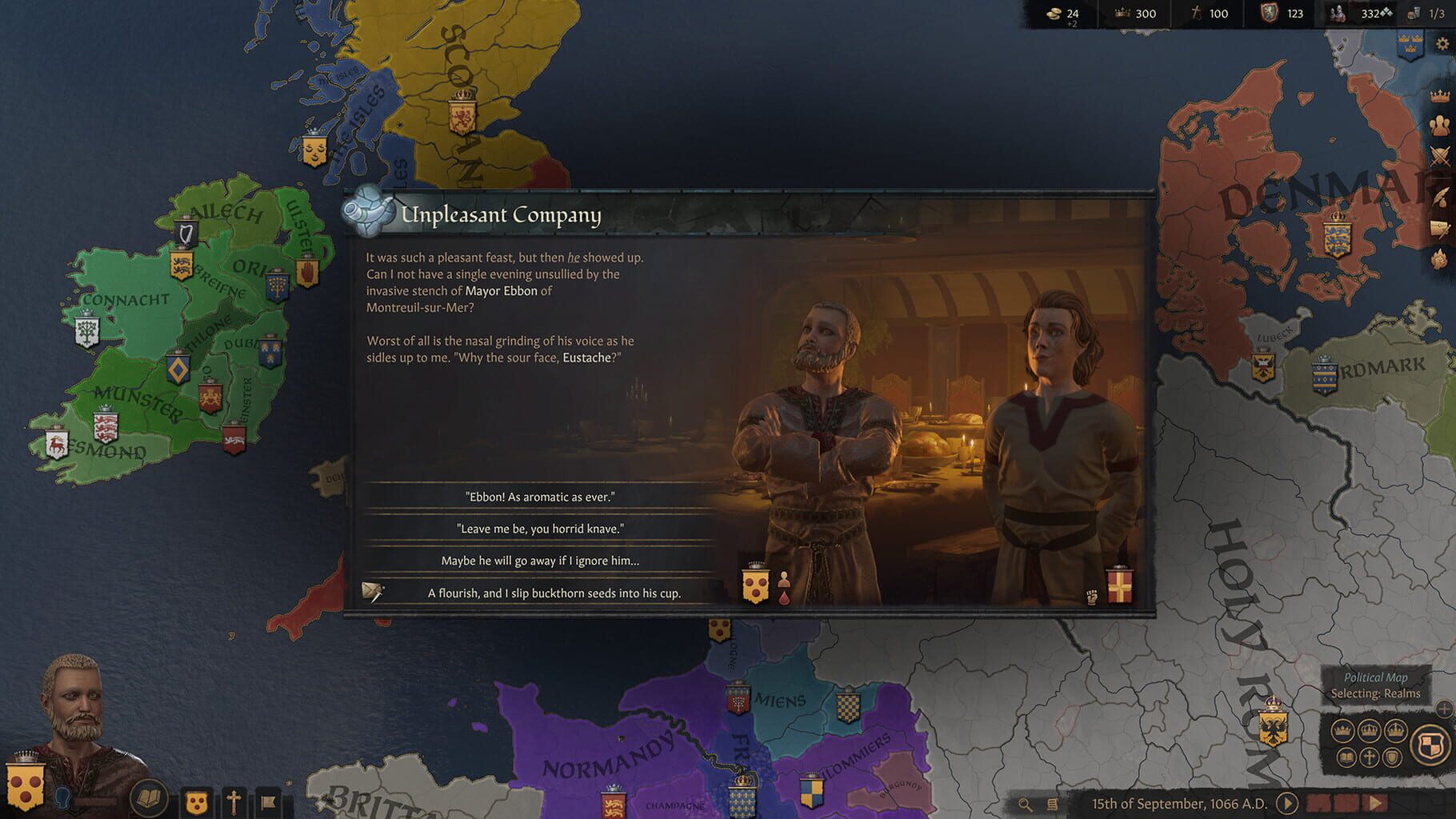
I won't sugarcoat it: the first five hours are a slog. The interface is a dense thicket of menus, icons, and nested tooltips. Paradox improved the tutorial significantly over the previous games, but it still feels like learning a new language. If your teen isn't the type to read a manual or watch a twenty-minute YouTube "how-to" guide, they will bounce off this immediately.
But for the kid who likes to "optimize" things, this is the ultimate playground. Once you understand how to use marriage to claim a duchy or how to bribe a bishop to support your claim to a throne, the game becomes addictive. It’s the "final boss" of the genre, often ranking high among the best historical video games for all ages because of how much agency it gives the player.
Lean into the "villain" moments
The game lets you do some objectively terrible things. You can plot to assassinate a child who stands in your way of a throne or execute prisoners of war to gain "dread." Critics and fans often joke about the "incest and murder" aspects of the game, but in practice, these are just tools in a logic puzzle.
The game doesn't reward you for being "evil" in a vacuum; it rewards you for being effective. This is where the best conversations happen. Ask your teen why they decided to betray their ally. Usually, the answer isn't "because I'm a bad person," but "because if I didn't, the Vikings would have wiped out my entire family line." It’s a fascinating look at how power can corrupt even the best intentions.
If they liked Civilization or The Sims
If your teen enjoys Civilization but wishes it had more "story," or if they love the drama of The Sims but want it set in a world with actual stakes, this is the hybrid they’ve been looking for. It’s a medieval soap opera where the stakes are the survival of your bloodline.
One thing to watch: the "nudity" mentioned in some ratings is almost entirely restricted to specific religious cults or "naturalist" traits that are rare and can be toggled off in the settings. It’s not a game about titillation; it’s a game about the messy, complicated, and often hilarious ways that humans tried to hold onto power before the invention of modern law.