What happens when you mash up Macbeth, Death Note, and Gundam
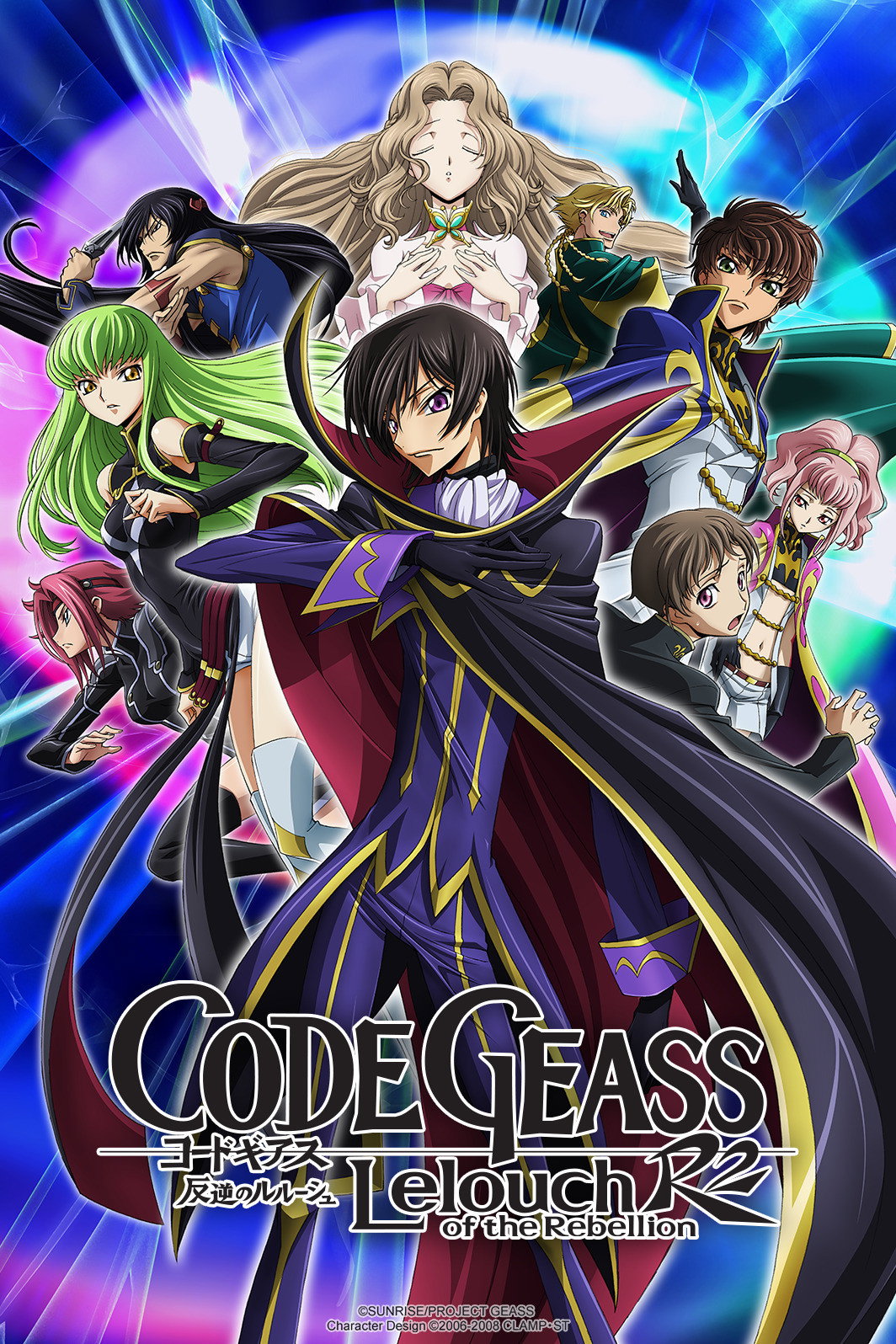
In the alternate history of Code Geass, the Holy Britannian Empire conquered Japan in 2010, stripped it of its name and rights, and renamed it "Area 11." Enter Lelouch Lamperouge: a bored, brilliant high schooler who is secretly an exiled Britannian prince holding a massive grudge against his emperor father. When a mysterious immortal girl named C.C. grants him "Geass"—the power to look anyone in the eye and issue one absolute, unbreakable command—Lelouch puts on a mask, calls himself Zero, and turns a ragtag group of Japanese freedom fighters into a ruthless paramilitary force.
What makes the show work isn't the superpower; it's the limitations. Geass only works once per person, and requires direct eye contact. Combined with the series' signature "Knightmare Frames" (agile, cockpit-driven mechs), battles play out like giant puzzles where Lelouch has to outthink superior military forces while hiding his identity from his classmates.
The tonal whiplash is part of the charm
Watching Code Geass requires accepting that it operates at a permanent 11 out of 10. Character designs were done by CLAMP, a famous manga collective, which is why everyone looks like an elongated gothic noodle. Within a single thirty-minute span, a character might commit a war crime, deliver a Shakespearean monologue while striking an impossible pose, and then rush back to campus to help the student council bake a giant pizza.
For a teenager who likes big ideas, the show's central rivalry between Lelouch and his childhood friend Suzaku Kururugi is fantastic material. Suzaku is an "Eleven" (a conquered Japanese citizen) who joins the Britannian military hoping to rise through the ranks and stop the bloodshed from the inside. Neither boy is entirely right; Lelouch's rebellion gets innocent people killed, and Suzaku's rule-following makes him a tool for oppressors. The show lets both philosophies crash into each other repeatedly without preaching.
How to navigate the rough edges
If you're deciding whether your 13- or 14-year-old is ready for it, the violence probably isn't the dealbreaker—it's bloody, and characters die frequently, but it's stylized anime violence. The real friction points are the sexualized camera angles (which ramp up noticeably in Season 2, R2) and the sheer psychological cruelty of the third-act twists.
If you co-watch, you'll probably want to fast-forward through about thirty seconds of Episode 12, and you'll definitely have plenty to talk about after Episode 22. Stick solely to the original 50 episodes (Season 1 and R2); the later recap movies and alternate-timeline sequels are optional fan service that dilute one of the best finales in television.