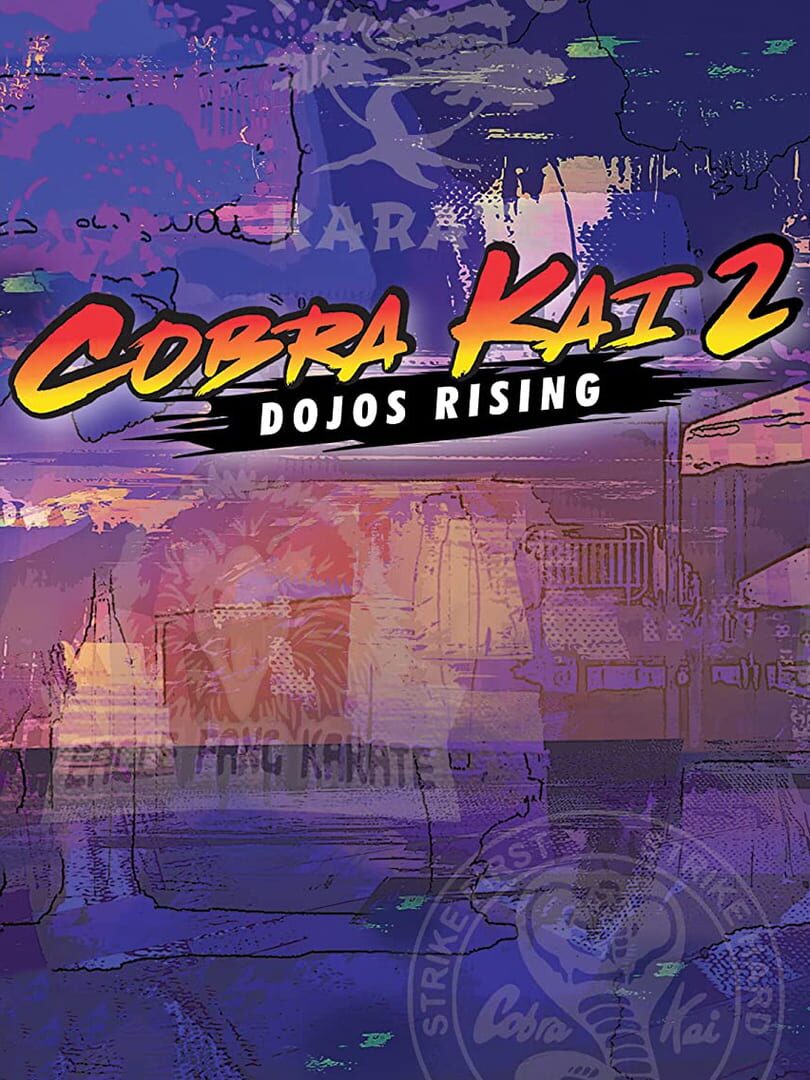
Look, we all love the show, but Cobra Kai 2: Dojos Rising is a classic example of a rushed licensed game. It captures the vibe of the series—the rivalries, the 80s-inspired cheese, and the karate—but it’s wrapped in a package that feels unfinished. If your kid is a completionist who needs everything Cobra Kai, wait for a deep, deep discount.
Technically, it’s a mess. The combat lacks the precision you’d expect from a game about martial arts mastery, and the 'open world' elements are more like empty hallways. It’s not 'unsafe' or 'toxic,' it’s just not very good. There are better beat-'em-ups out there that actually reward skill rather than just testing your patience with loading screens.
Age Fit
Best for kids 10-14 who are already obsessed with the show. Older teens will be too annoyed by the bad graphics and glitches, and younger kids might find the 'recruitment' mechanics confusing.
WISE Breakdown
Wholesome
52
The game mirrors the show's themes of mentorship and discipline, but the execution is too clunky to actually model anything positive. It's more of a button-masher than a character study.
Imaginative
45
While it offers a 'pick your story' narrative, the gameplay is a standard, repetitive beat-'em-up that doesn't push any creative boundaries.
Safe
82
Rated T for Teen. It's mostly stylized martial arts violence. No heavy-handed microtransactions or predatory loot boxes, which is a rare win for a licensed title.
Enriching
35
There's very little 'wax on, wax off' wisdom here. It's a budget tie-in that prioritizes repetitive combat over meaningful takeaways.
Parent Info
✓
Why It Might Be Great
Character Roster: You can play as 28 different characters from the show, which is a treat for die-hard fans.
Dojo Choice: The ability to pick your story path (Cobra Kai, Eagle Fang, or Miyagi-Do) adds a layer of 'what if' fan service.
Voice Acting: Features many of the actual actors from the series, lending a bit of authenticity to the otherwise rough presentation.
⚠
What to Watch For
Technical Glitches: This game is notorious for bugs, from characters clipping through floors to total crashes. It's frustrating for kids who just want to play.
Price vs. Quality: It often carries a 'Triple-A' price tag for a 'Double-C' experience. Don't pay full price for this.
Repetitive Grind: The loop of recruiting students and fighting the same few enemy types gets old very fast, even for younger players.
Conversation Starters
"Which dojo's philosophy do you actually agree with: strike first or only use karate for defense?"
"If you were Daniel or Johnny, how would you handle a student who was acting like a bully?"
"Why do you think games based on TV shows are often so much buggier than original games?"
Deep Dive
The 'Mercy' Rule
When Cobra Kai: The Karate Kid Saga Continues (the first game) came out, it was a surprisingly decent side-scrolling brawler. It had heart. Dojos Rising tries to go 'bigger' with 3D environments and a more ambitious campaign, but it falls flat on its face. The transition to 3D combat makes the hits feel floaty and the camera work is often your biggest enemy.
For the Fans Only
The only reason to pick this up is the narrative. If your kid wants to see what happens when Johnny Lawrence tries to run a dojo in a semi-open world setting, they'll get some kicks out of the dialogue. The game lets you recruit characters and manage your dojo's reputation, which sounds cool on paper but mostly involves running around empty environments to find NPCs.
Better Alternatives
If your kid wants a great fighting game experience, they're better off with something like Teenage Mutant Ninja Turtles: Shredder's Revenge for that classic beat-'em-up feel, or even the first Cobra Kai game, which is ironically much more polished. This sequel feels like it was rushed out to meet a season release window, and it shows in every frame. It's not a 'bad' influence—it's just a bad game.