The Physics of Fear
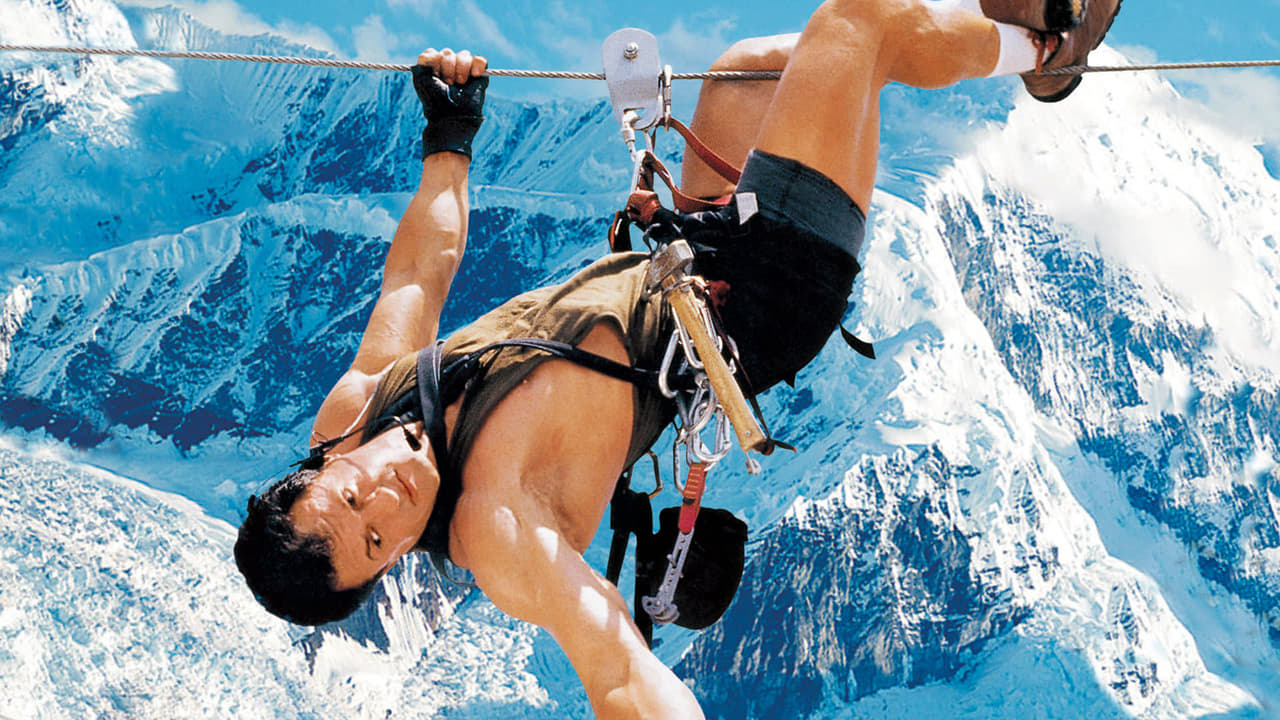
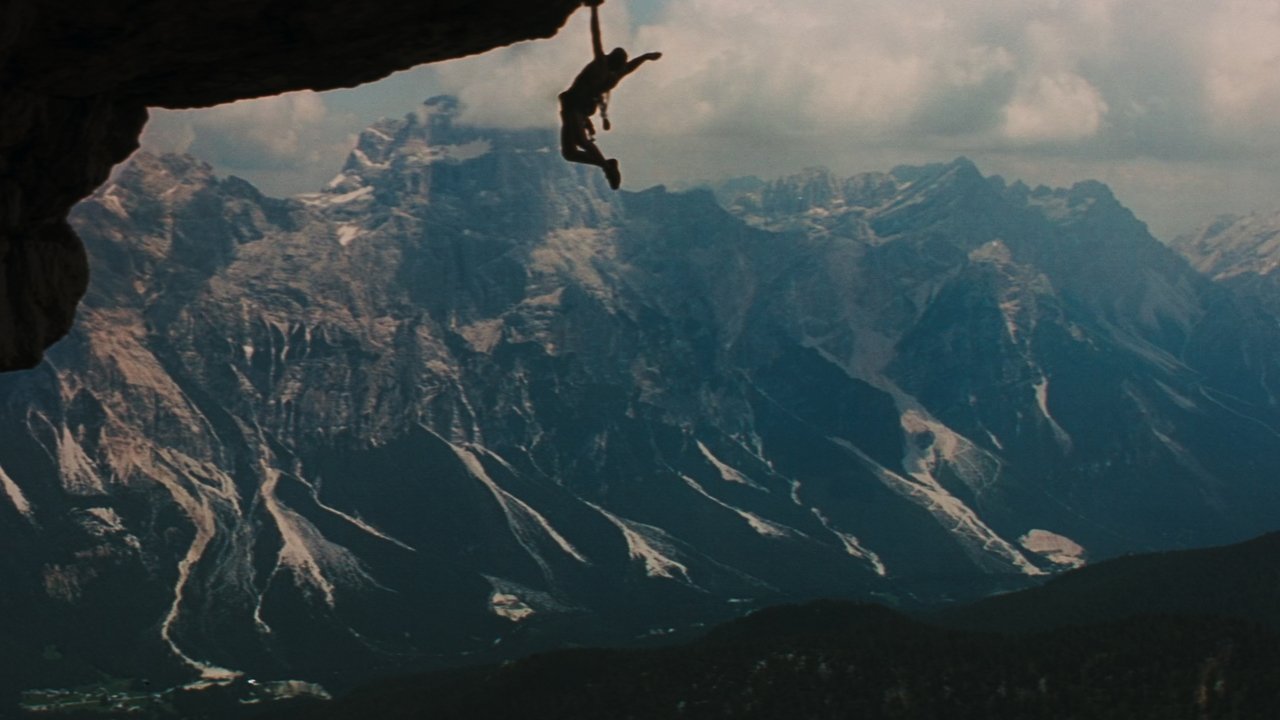
If your teen is used to the weightless, green-screened physics of a modern superhero movie, Cliffhanger is going to feel like a physical assault. In an era before CGI could reliably fake a mountain range, the production actually went to the Dolomites. When you see a character dangling over a jagged abyss, there’s a tactile reality to it that modern blockbusters rarely replicate.
The aerial transfer stunt—where a character moves between two planes mid-air—is still one of the most expensive and dangerous pieces of celluloid ever captured. It’s the kind of "how did they do that?" filmmaking that sparks genuine curiosity in kids who are normally cynical about movie magic. If they’ve gone down a YouTube rabbit hole of Mission: Impossible behind-the-scenes clips, this is the spiritual ancestor they need to see.
Lithgow as the Ultimate Heel
While the stunts are the draw, John Lithgow is the engine. He doesn’t just play a villain; he plays a sophisticated, bored psychopath who seems personally insulted by the incompetence of his own henchmen. He’s the anti-Stallone. Where Gabe Walker is all brawn and earnest guilt, the villain is all cold intellect and quips.
It’s worth noting that the movie doesn't treat its "bad guys" with cartoon gloves. The violence here is jagged. People don't just get shot; they get impaled by climbing gear or dropped into the void. It’s a "mean" movie in the best way possible—it makes the mountain feel like a character that’s trying to kill everyone involved.
The Stallone Pivot
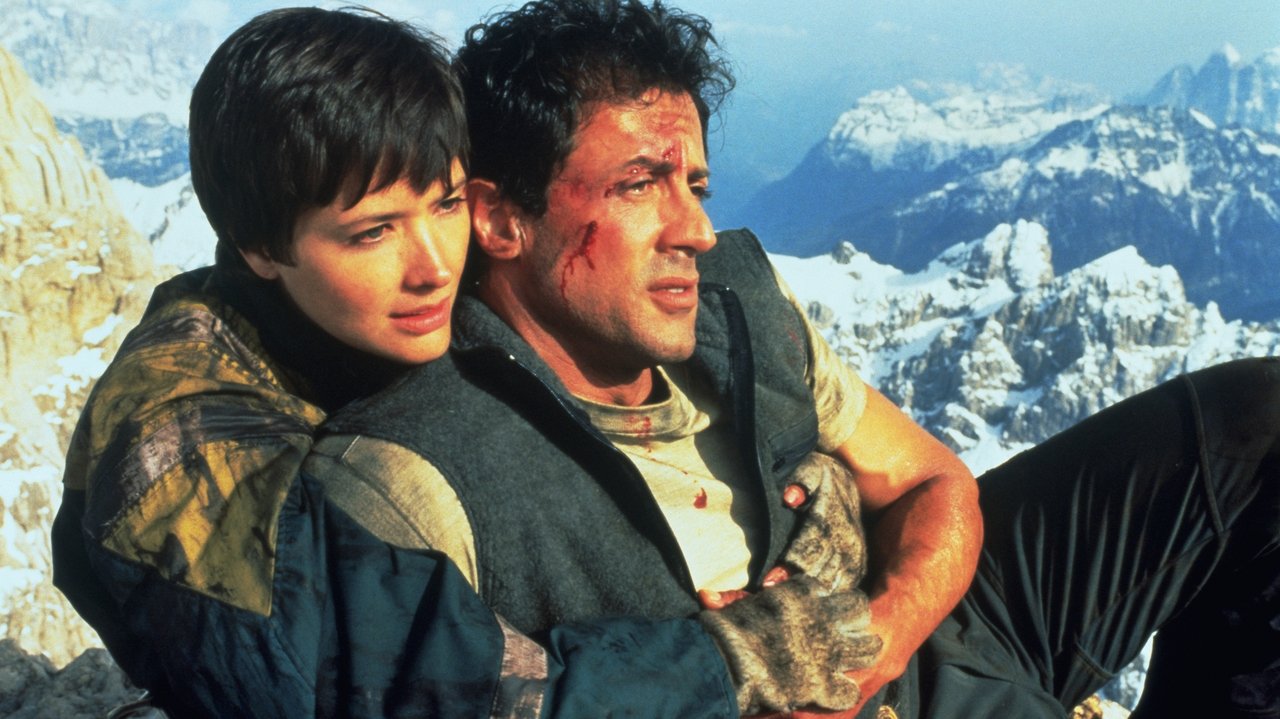
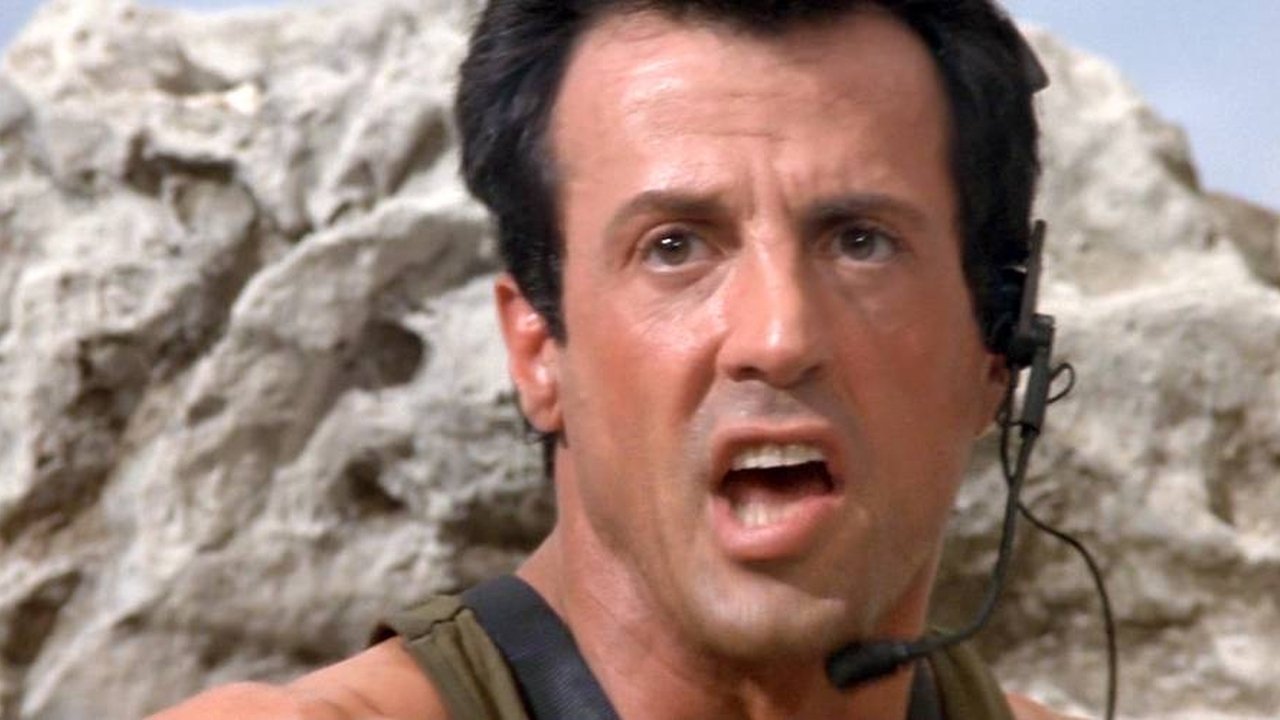
This is a key entry in the Sylvester Stallone: Underdogs, Action Icons, and the 'Girl Dad' Pivot arc. By 1993, the invincible, one-man-army vibe of the 80s was fading. In Cliffhanger, he’s playing a man who is fundamentally broken by a mistake. He’s vulnerable, he’s freezing, and he’s constantly losing.
"You want to kill me, fetch me."
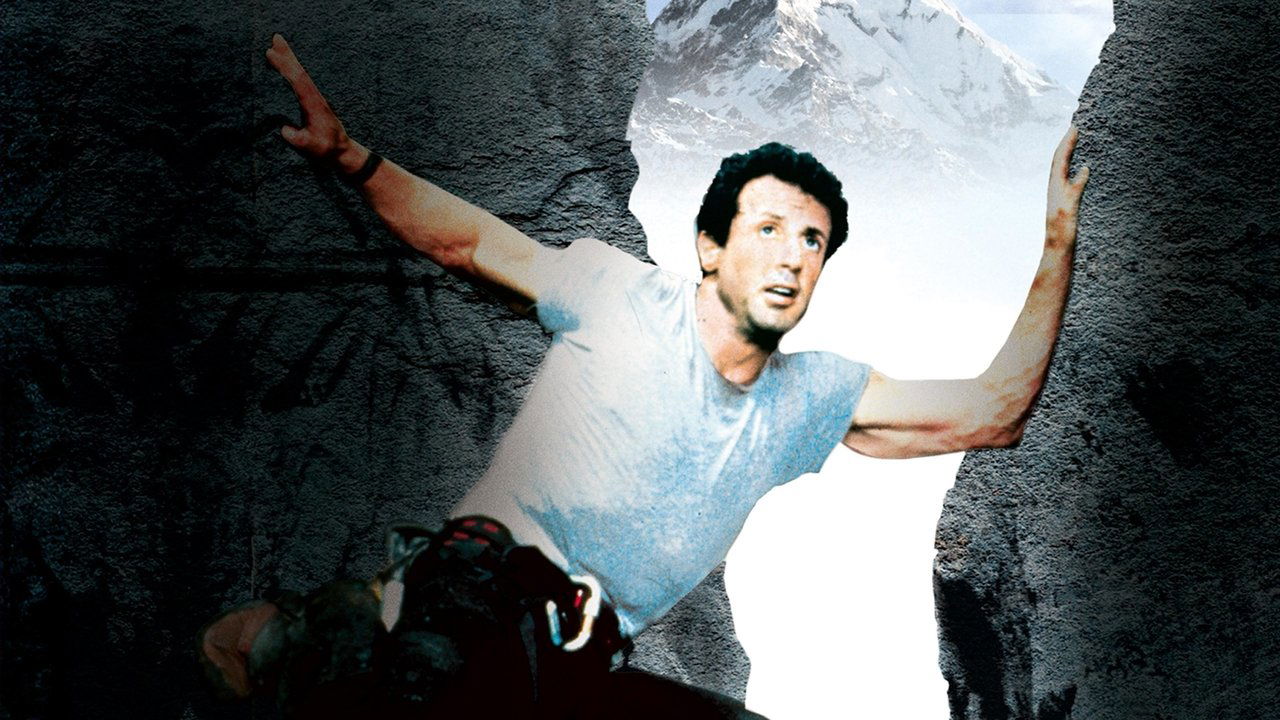
That line captures the whole movie. It’s a game of vertical cat-and-mouse. If your family has already cycled through the Die Hard or Speed essentials, this is the next logical step. It’s less about "saving the world" and more about the raw, desperate survival of a guy who just happens to be very good with a carabiner.
Why it Sticks
The middle hour can feel a bit like a repetitive hike, but the bookends are legendary. The opening sequence is often cited as one of the most effective "hook" scenes in cinema history because it forces the audience to share Gabe’s vertigo.
If you have a kid who is into rock climbing or bouldering, they will spend half the movie screaming about "three points of contact" and "terrible gear placement." Let them. It’s part of the fun. Just be prepared for the fact that after watching this, a trip to the local climbing gym is going to feel a lot more consequential.